


When Los Angeles last hosted the Olympic Games in 1984, Carl Lewis’ gold-medal sprint sweep became the signature moment of the entire fortnight. Forty-four years later, LA28 organizers are betting that history can rhyme.
On Wednesday, the organizing committee and World Athletics released the full, session-by-session track and field schedule for the 2028 Games, a sprawling, 13-day program that stretches from July 15 through July 30 and includes some of the most aggressive scheduling changes in Olympic history.
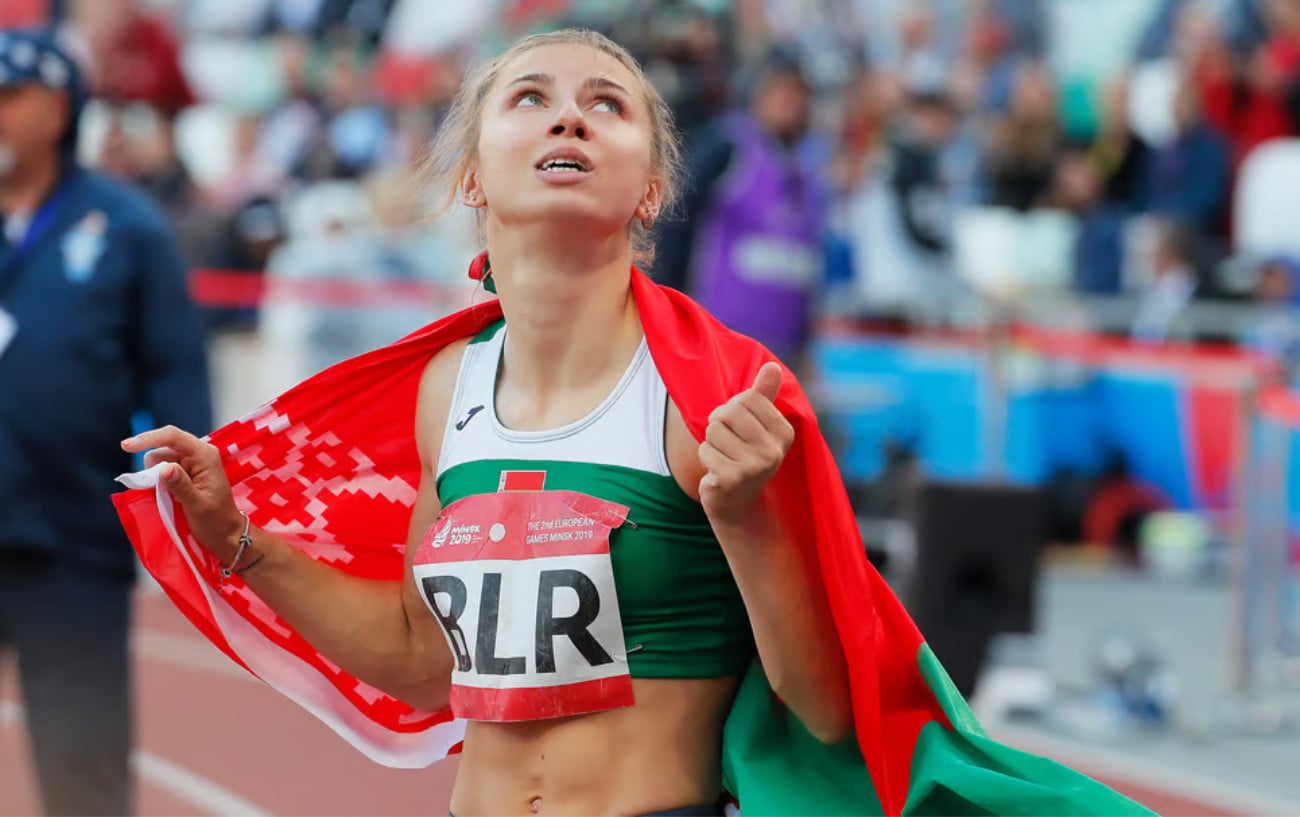
The headline: all four rounds of the women’s 100 meters, prelims, heats, semifinals, and final, will take place on one day, July 15, 2028.
The move has already generated a week’s worth of debate before tickets even go on sale. But LA28 insists the logic is simple: open the Games with a thunderclap.
“We want to start…with a bang”
LA28 Chief of Sport Shana Ferguson acknowledged the unusual format directly during a Tuesday briefing.
“Now the reason to run that women’s 100 meters on the first day is because, my goodness, we want to come out in these Games with a bang,” Ferguson said. “That race will be among the most watched… You just want to start that day one with a massive, massive showcase of the fastest females in the world.”
The preliminary and first-round races will take place between 9 a.m. and 1:30 p.m. Pacific, with the semifinal and final held between 5 p.m. and 10:20 p.m. Ferguson estimated roughly 45 minutes between the two evening rounds.
Most top athletes, however, will still run only three rounds of the 100 meters in Los Angeles.
The “preliminary” round is limited to athletes who have not met the automatic entry standard or qualified through World Rankings, giving them a chance to advance into the main heats. Everyone already qualified for the event begins directly in Round 1.
By contrast, the men’s 100 meters will retain a traditional two-day structure: preliminaries and first round on July 15, with the semifinals and final the following evening.
Athlete feedback: supportive, but not unanimous
LA28 Chief Athlete Officer Janet Evans, a four-time Olympic swimming gold medalist, said the format was reviewed with the LA28 Athletes’ Commission, which includes track athletes Allyson Felix and Queen Harrison, as well as with World Athletics’ Athletes’ Commission.
Evans emphasized that while some athletes initially resisted the idea, broader discussions shifted the tone:
“Athletes always have their knee-jerk reaction first, which is ‘hey, wait, that’s going to be hard.’”
“But it was a largely positive conversation,” she said. “They have run three 100 meters in competition before in a row, but the trade-offs were incredible, to be the pre-eminent event at the Olympic Games in Los Angeles in 2028 on the first night of competition.”
Evans added that most athletes wanted advance notice so they could adjust their training: “The majority of athletes did say, ‘let me know, I will start training to run three 100 meters in one day, because it can be done.’”

No path for Sydney McLaughlin-Levrone’s historic double
One immediate casualty of the new timetable is the long-rumored 400m/400m hurdles double by American star Sydney McLaughlin-Levrone. The schedule places the women’s 400m final and 400m hurdles semifinal in the same evening session on July 20.
Asked whether the program could be adjusted, Ferguson indicated that changes are unlikely:
“We work extremely close…with each of the International Federations… none of this is done without their counsel,” she said. “I’m hopeful that we have accounted for any eventualities.”
Track moves to Week 1 for the first time since 1968
In a significant departure from recent Olympic tradition, athletics will be held primarily during the first week of the Games, while swimming will shift to Week 2.
Ferguson said the decision was driven by venue logistics: SoFi Stadium, which will serve as the “2028 Stadium,” is hosting both the Opening Ceremony and swimming.
To start the swimming competitions in Week 1, organizers would need to convert the stadium from the opening ceremonies into a swimming venue in one day, which was just not possible.
“We just couldn’t do it, frankly, in the same day,” she said. “We were able to flip those two sports.”

Marathons Retain Their Historic Place With a Morning Start
While the track program undergoes major experimentation, the road events remain largely traditional.
The men’s marathon will once again close the Games on July 30, with the medal ceremony incorporated into the Closing Ceremony.
The women’s marathon will be held July 29. Both events are scheduled for 7:15 a.m. Pacific starts.
Morning marathons have become standard at recent Olympics for safety reasons, and Los Angeles in late July is likely to demand careful heat management.
Even early in the morning, temperatures in Southern California can climb rapidly; athletes and federations will be watching conditions closely as 2028 approaches.
A Schedule That Tries to Balance Spectacle and Practicality
From our vantage point, the LA28 timetable looks like an Olympic schedule trying to do three things at once: stage a TV-friendly blockbuster, protect most athletes most of the time, and honour just enough tradition that it still feels like the Games.
Whether it works depends on how much you value spectacle versus purity.
The women’s 100m is the clearest example of that tension.
Putting all four rounds in one day is undeniably bold. From a storytelling point of view, it’s electric: casual fans can tune in on Day 1, learn the names in the morning, and watch a champion crowned under the lights that same evening.
For LA28, that’s a dream product, a self-contained sprint drama that opens the Games with a viral moment.
From an athlete-performance point of view, it’s more complicated.
Even if three races in a day is not unheard of on the circuit, doing it at Olympic intensity, with global pressure and a 45-minute turnaround between semi and final, is a different proposition.
The risk isn’t that the event becomes unwatchable; it’s that the women’s 100m final becomes a test of who can survive the format rather than who is truly the fastest in a clean, comparable setup to the men.
If the winning time is noticeably slower than expected, or if a big name visibly wilts in the final, the schedule will be part of the conversation.
Elsewhere, the programme feels more sensible.
The 200/400 double looks intentionally protected, and there’s space for middle-distance doubles like 800/1500 if athletes are willing to live on the edge of fatigue. By contrast, the 400m/400m hurdles double being effectively blocked sends a quieter but equally strong signal: LA28 and World Athletics are willing to close doors on some made-for-TV storylines if they complicate the overall grid too much.
That won’t please Sydney McLaughlin-Levrone fans, but it does stop the schedule from being contorted around one hypothetical attempt.
The return of repechage is another big swing.
More recovery time between rounds is a clear improvement on Paris, but it still means extra races in already dense events. For most viewers, repechage is a harder sell than “Day 1 fireworks,” it’s a niche process, not headline drama.
The upside is fairness and second chances; the downside is a lot of preliminary races that may feel like filler to anyone who isn’t a hardcore track nerd. LA28 is betting that starting and ending sessions with big finals and relays will cover that.
Zooming out, the structure of the 13-day programme has a lot going for it.
Nearly every evening session has a medal event, which is good news if you’re paying LA prices for a single night in the Coliseum, you’re almost guaranteed a “big moment.”
Keeping the marathons on the final weekend preserves one of the few Olympic traditions that still reliably delivers emotion: a city waking up early to line the streets and say goodbye to the Games.
Our overall read: this is not a conservative, athlete-first schedule, but it’s not reckless either. It’s a compromise that leans into entertainment without completely abandoning competitive logic.
The women’s 100m format is the stress test.
If athletes handle the load, the times hold up, and Day 1 delivers the kind of moment LA28 clearly wants, this will be remembered as a smart, modern tweak. If it produces visibly tired finalists, uneven racing, or injuries, it will be Exhibit A in the argument that the Games pushed spectacle a little too far.
Either way, the die is cast, and for better or worse, Los Angeles is not afraid to make a statement with the sport at the heart of the Olympics.

LA28 Track Events Schedule
Saturday, July 15
Morning
- Women’s 100m Preliminary
- Men’s 100m Preliminary
- Women’s 5000m Round 1
- Women’s 800m Round 1
- Women’s 100m Round 1
- Men’s 100m Round 1
Evening
- Men’s 400m Hurdles Round 1
- Women’s 400m Round 1
- Women’s 100m Semifinal
- Men’s 10,000m Final
- Women’s 100m Final
Sunday, July 16
Morning
- Women’s 800m Repechage
- Mixed 4x400m Relay Round 1
- Men’s 1500m Round 1
Evening
- Men’s 100m Semifinal
- Mixed 4x400m Relay Final
- Men’s 100m Final
Monday, July 17
Morning
- Women’s 3000m Steeplechase Round 1
- Men’s 400m Round 1
- Men’s 400m Hurdles Repechage
- Women’s 400m Repechage
Evening
- Mixed 4x100m Relay Round 1
- Men’s 1500m Repechage
- Women’s 800m Semifinal
- Mixed 4x100m Relay Final
Tuesday, July 18
Morning
- Men’s 3000m Steeplechase Round 1
- Women’s 400m Hurdles Round 1
- Men’s 110m Hurdles Round 1
Evening
- Men’s 200m Round 1
- Women’s 5000m Final
- Men’s 400m Hurdles Semifinal
- Men’s 1500m Semifinal
- Women’s 400m Semifinal
- Women’s 800m Final
Wednesday, July 19
Morning
- Women’s 400m Hurdles Repechage
- Men’s 400m Repechage
- Men’s 200m Repechage
- Women’s 3000m Steeplechase Final
Evening
- Men’s 110m Hurdles Repechage
- Women’s 1500m Round 1
- Women’s 200m Round 1
- Men’s 1500m Final
- Men’s 400m Hurdles Final
Thursday, July 20
Morning
- Men’s 800m Round 1
- Women’s 200m Repechage
- Men’s 3000m Steeplechase Final
Evening
- Women’s 1500m Repechage
- Women’s 400m Hurdles Semifinal
- Men’s 400m Semifinal
- Men’s 110m Hurdles Semifinal
- Men’s 200m Semifinal
- Women’s 400m Final
Friday, July 21
Morning
- Men’s 5000m Round 1
- Women’s 100m Hurdles Round 1
- Men’s 800m Repechage
Evening
- Women’s 1500m Semifinal
- Women’s 200m Semifinal
- Women’s 10,000m Final
- Men’s 110m Hurdles Final
- Men’s 200m Final
Saturday, July 22
Morning
- Women’s 100m Hurdles Repechage
- Men’s 800m Semifinal
- Men’s 4x100m Relay Round 1
- Women’s 400m Hurdles Final
- Men’s 400m Final
- Women’s 200m Final
Sunday, July 23
Evening
- Women’s 4x400m Relay Round 1
- Men’s 4x400m Relay Round 1
- Women’s 4x100m Relay Round 1
- Women’s 100m Hurdles Semifinal
- Men’s 800m Final
- Women’s 1500m Final
- Men’s 4x100m Relay Final
Monday, July 24
Evening
- Women’s 4x100m Relay Final
- Men’s 5000m Final
- Women’s 100m Hurdles Final
- Men’s 4x400m Relay Final
- Women’s 4x400m Relay Final
Road Events
Saturday, July 29
- Women’s Marathon
Sunday, July 30
- Men’s Marathon
RunClub
Get more running stories — join RunClub
Daily running news, a community of 300,000+ runners, free training plans for every distance, and a daily running game. Free to join — no card.
Already a member? Log in →




Start the conversation