


Breaking4 was designed to push the boundaries of what is humanly possible in middle-distance running and potentially make Faith Kipyegon the first woman to break the four-minute mile barrier.
While she did not achieve that goal, her performance marked the fastest mile ever run by a woman and revealed key insights into where the limits still lie. Here, we break down the event comprehensively across its core dimensions: race setup, technology, pacing, physiology, psychology, and performance outcomes.

Race Environment and Event Setup
Nike constructed Breaking4 as a high-production spectacle, reminiscent of the company’s previous Breaking2 project with Eliud Kipchoge back in 2017. The Stade Charlety in Paris was transformed into a branded arena filled with visual displays, massive LED jumbotrons, and crowd-engaging infrastructure.
The experience began before fans reached the stadium.
Attendees walked through an immersive “interactive museum” that detailed Kipyegon’s achievements and the technology developed for the attempt. Throughout the venue, signage celebrated the occasion, from the carpets to the napkins and cups, all of which were custom-branded with the Breaking4 insignia.
The event presentation was praised for its polish.
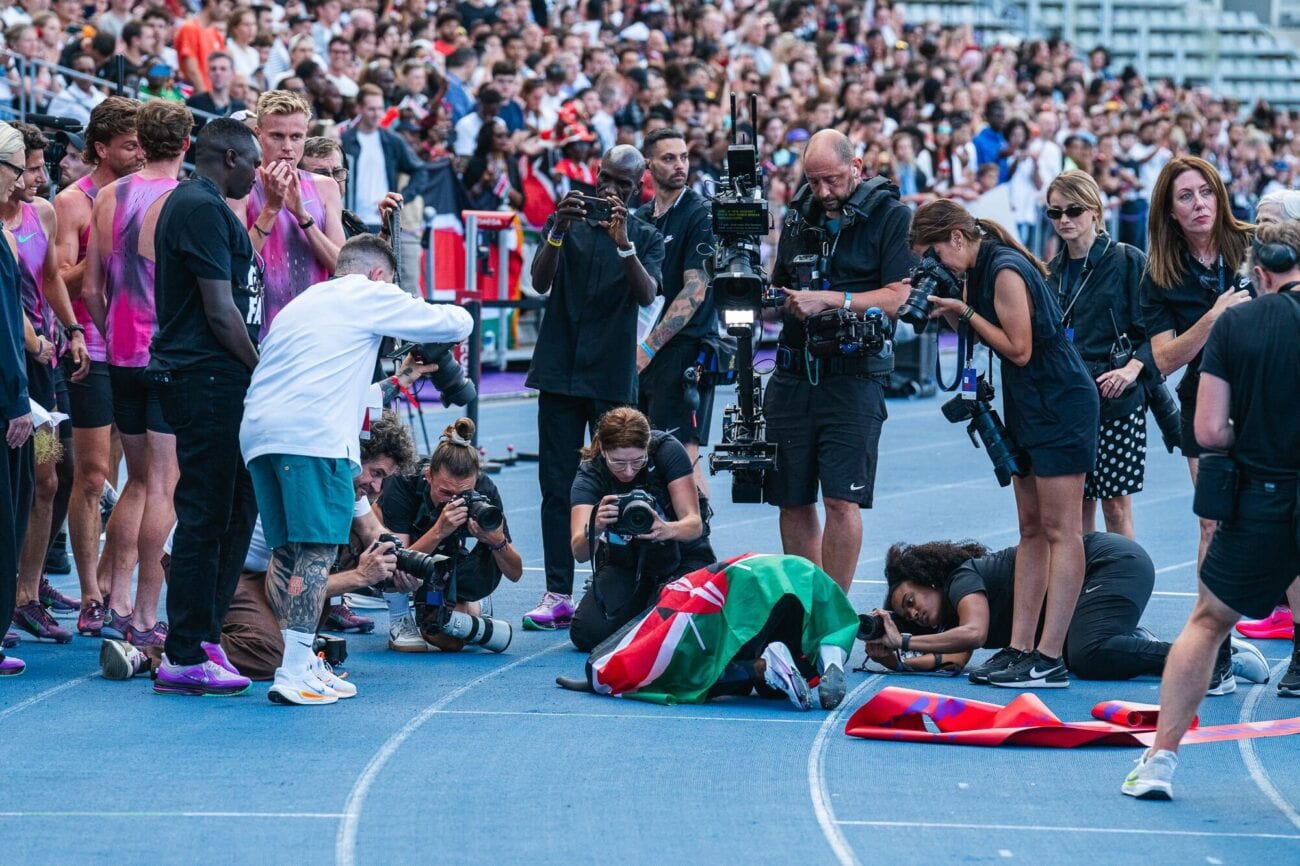
The atmosphere was vibrant, with thousands of fans creating a high-energy environment. Nike ensured a symbolic connection by having Eliud Kipchoge, Kipyegon’s mentor, hold the finish line tape, reinforcing the lineage of barrier-breaking athletes.
Broadcast quality was world-class, featuring drones, cranes, a full studio desk with analysts like Carl Lewis and Keely Hodgkinson, and Steadicams providing immersive race footage.
All of these elements contributed to a sense of occasion.
However, despite the visual excellence, the format of the “race” itself introduced challenges.
With no competitors and no standard race format, Kipyegon was almost more of a performer than a racer.
While the atmosphere was emotionally uplifting, it may not have offered the psychological stimuli that a traditional race provides, especially the motivational tension that comes from direct competition.
Additionally, the transition from warm-up to start was unusually swift. Kipyegon had a carefully planned warm-up protocol on a secondary neighbouring track, but the quick on-your-marks transition may have disrupted rhythm compared to typical race settings.
Gear and Technology
Nike invested heavily in R&D in the approximately 18 months leading up to Breaking4.
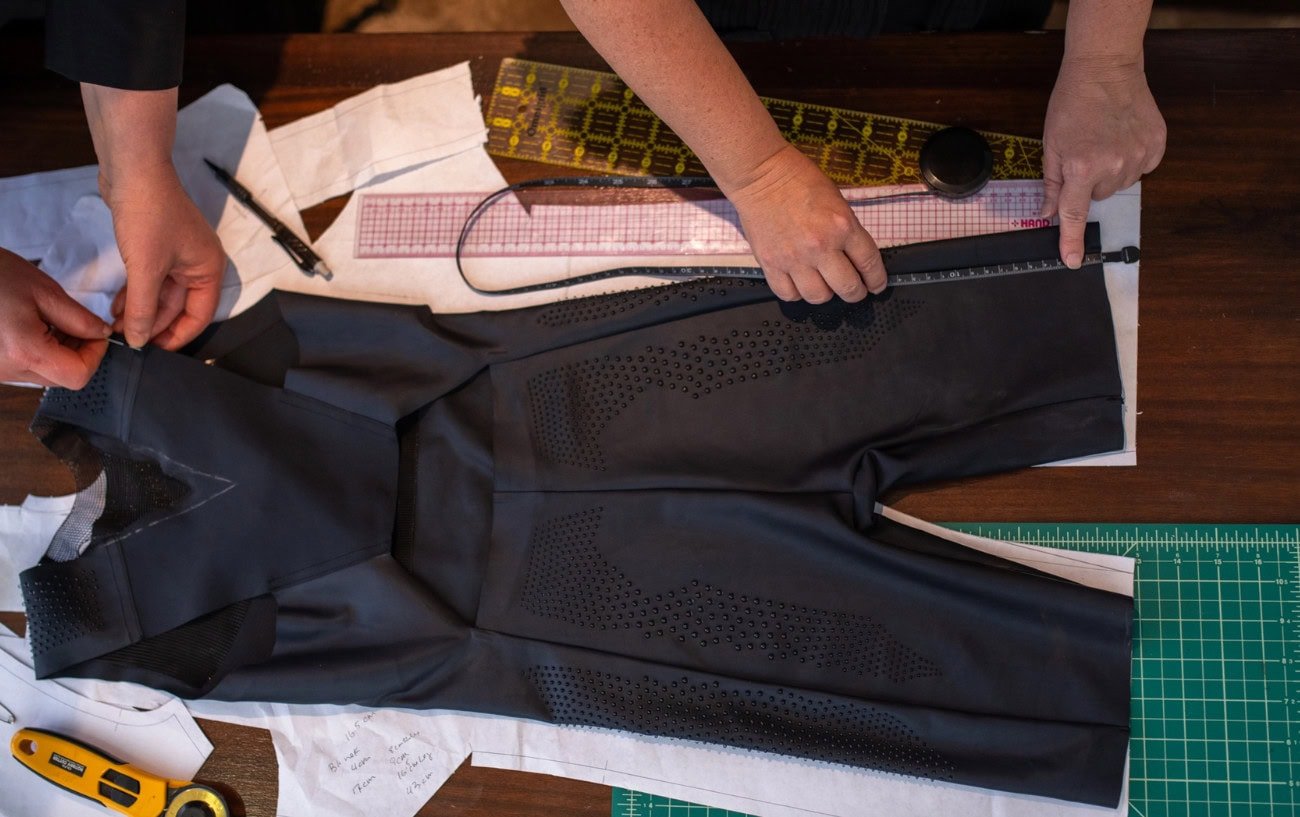
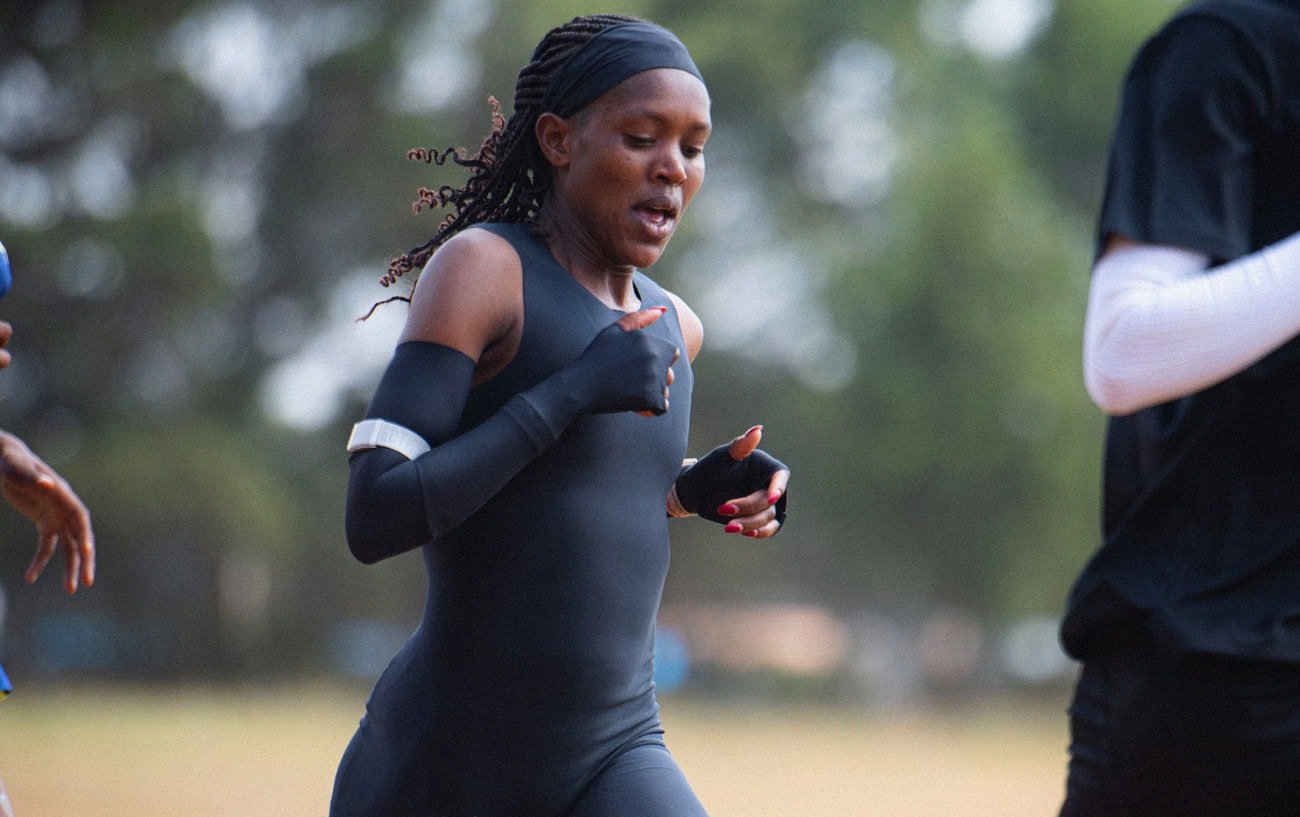
Kipyegon wore a custom-engineered “speedsuit” designed to reduce drag via dimpling patterns across the torso and limbs, akin to aerodynamic cycling skinsuits.
Her apparel included TPU-based headbands, calf and arm sleeves, and a 3D-printed ultralight sports bra designed to reduce moisture retention and enhance comfort.
Her footwear was a pair of prototype racing spikes that weighed just 90 grams, a significant reduction in weight compared to traditional spikes.
The Wavelight pacing system was used along the track’s inside rail, calibrated to reflect a 3:59.99-mile split. This visual pacing aid, already familiar to many elite athletes, was designed to provide real-time feedback and help athletes track their pace lap-by-lap.
Much of the technology was tailored specifically to Kipyegon’s preferences. Nike emphasized athlete comfort, adjusting apparel design based on her feedback. For instance, after testing, she requested changes to suit tightness in specific regions, and Nike obliged.
Still, performance outcomes suggest that these tech innovations delivered only modest gains, especially when prioritizing athlete comfort over what the data or science suggest.
The aerodynamic benefits, though theoretically measurable, did not significantly improve performance beyond Kipyegon’s previous best.
Pacing and Pacemakers
The pacing system was both innovative and complicated.
Kipyegon was supported by a team of 13 pacers: 11 men and 2 women.
These athletes were arranged in various formations—first in a rotating arrowhead, later fracturing into staggered lines as the race progressed. The formation was designed to minimize wind resistance while staying out of Kipyegon’s path.
The women pacers dropped out after 800 meters, and some others exited at 1200m, leaving the rest to support her through the final lap.
The initial pacing execution saw Kipyegon cross the 400m mark in 60.20 and the 800m mark in 2:00.75. But in lap three, the system began to unravel. Kipyegon’s pace slowed, but the lead pacers continued to follow the Wavelight. This created gaps that disrupted her aerodynamic support. Some flanking pacers adjusted to her pace, but others did not, creating visual and psychological inconsistency.
Compounding the issue, Nike’s head of innovation revealed at a pre-race event that the full pacing team had trained together only once before the event. He described the practice as a bit of a “sh*t show,” which aligns with the third-lap breakdown.
The rumored pacing strategy, a negative split with a closing lap of 55 seconds, proved unachievable.
After passing 1200m in roughly 3:01.84, Kipyegon ran the final 400m in about 65 seconds, a full 10 seconds off plan.

Physiological Demands and Constraints
Kipyegon entered the event with the strongest resume in women’s middle-distance history.
Her 1500m world record of 3:49.04 set in 2023 and her estimated 800m capability of 1:54–1:55 positioned her as the best candidate to attempt sub-four. Physiological models suggest that breaking four minutes requires an 800m time of at least 1:52 for men, and likely close to that threshold for women.
Kipyegon’s endurance profile is elite, but her raw speed may not be sufficient to cover the speed-endurance demands of a sub-4:00 mile.
What’s more, she did not modify her usual training program for the attempt.
Under coach Patrick Sang, Kipyegon trained at high altitude in Kenya using her standard championship preparation.
“I didn’t change anything in terms of training,” she said to Olympics.com before the event. “What my coach always gives me is the same work I’ve been doing, going into the Olympics or world championships. I think going into this race, what’s different is the mindset, but the goals are the same. Dreaming of what’s inside of me, which is breaking four.”
Kipyegon’s ability to hold pace through three laps demonstrated exceptional lactate tolerance.
However, when the effort required a shift into anaerobic reserves, her form deteriorated. The final lap collapse from a rumored 55s split to 65s was the decisive performance limiter.
Psychological Factors and Competitive Dynamics
Despite the impressive ambiance, the race lacked a critical element: competition.
Kipyegon ran entirely alone, flanked by pacers and lights but devoid of true opponents.
Unlike her record-setting 1500m in Monaco, where she surged alone in the final lap out of necessity of competition, the Breaking4 environment offered no chase, no duel, and no adversarial dynamic.
Observers noted that in video footage released before the race, Kipyegon appeared overwhelmed by the scale of the event.
Throughout the week, she was showered with praise and celebrated by fans, press, and Nike representatives. While affirming, this emotional environment may not have triggered the competitive edge often required for peak performance.
In traditional settings, athletes are often spurred by rivals. The pursuit dynamic, hearing footsteps behind, chasing a leader, responding to an attack, can unlock hidden reserves.
These stimuli were absent.
During the race, Kipyegon had only the clock and the Wavelight as references. While the crowd offered energetic support, there was no external performance threat to provoke that fight-or-flight feeling.
Outcome and Performance Evaluation
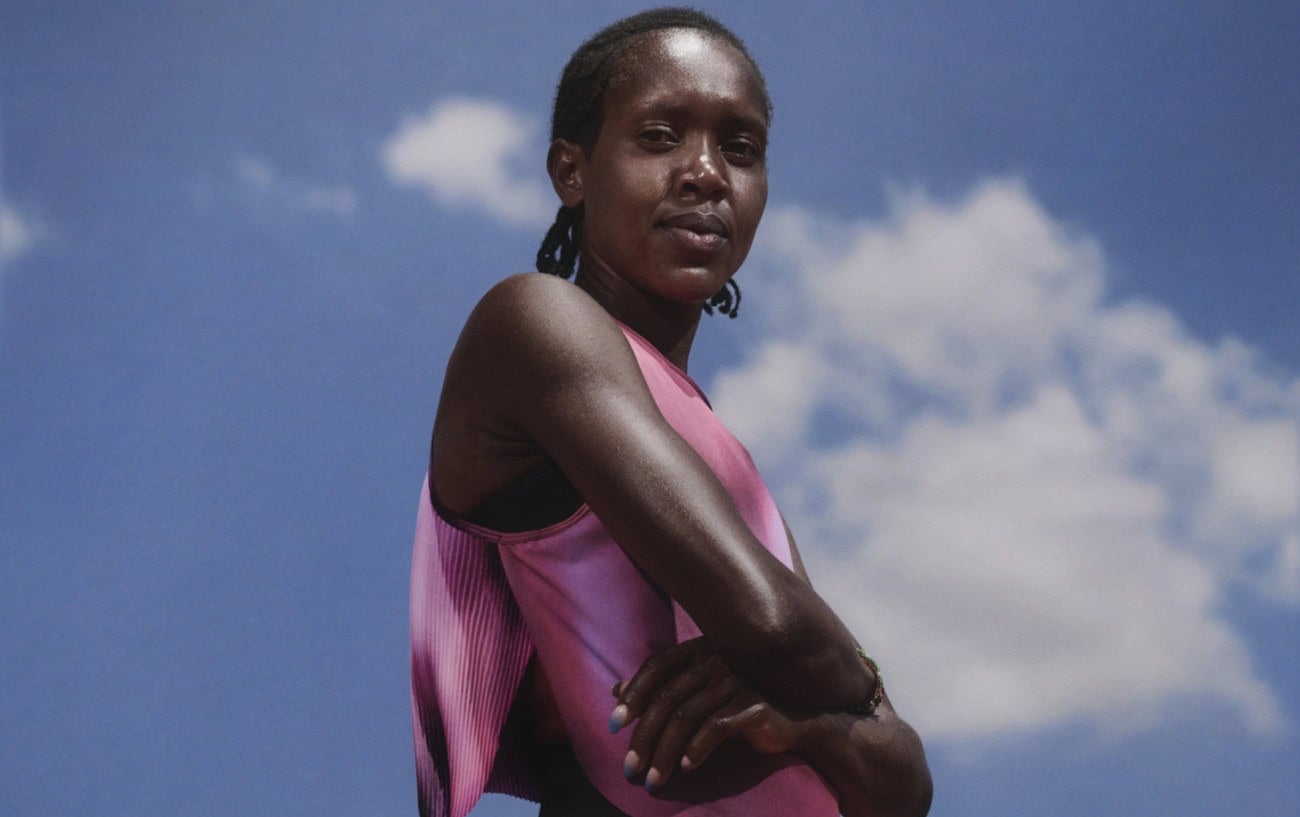
The result of 4:06.42 stands as the fastest mile ever run by a woman, even if unofficial.
Kipyegon surpassed her previous world record by over a second, a meaningful improvement under any circumstances. Yet the event’s stated goal, to break four minutes, was missed by quite a wide margin.
For Nike, the performance did not deliver the historical headline that the event was designed to produce.
The marketing build-up, extensive media activation, and significant R&D costs have undoubtedly reached into the millions. While the product execution was polished, the outcome fell short of delivering the desired return on investment in terms of historic significance.
Kipyegon called the run a “first trial” and expressed an interest in trying again.
It remains unclear whether a follow-up event will be pursued and, if so, how it would be structured.
Faith Kipyegon’s Breaking4 run was a comprehensive demonstration of what is currently possible in women’s middle-distance running under optimized conditions.
The race exposed the limitations of existing tech, pacing, and physiology, while reaffirming Kipyegon’s status as a generational talent. It also highlighted the complexities of performance enhancement, especially when psychological, environmental, and competitive elements are manipulated.
While the four-minute barrier still stands, this attempt clarified how close we are and what gaps remain. Whether the next breakthrough will be technological, physiological, or motivational remains unknown. But as Kipyegon said, this was only the beginning.
RunClub
Get more running stories — join RunClub
Daily running news, a community of 300,000+ runners, free training plans for every distance, and a daily running game. Free to join — no card.
Already a member? Log in →




Start the conversation