


A veteran Australian distance running figure is calling on World Athletics to tighten the rules around carbon-plated racing shoes, weeks after Kenya’s Sabastian Sawe became the first runner to officially break the two-hour marathon barrier in London.
Chris Wardlaw, who ran the Olympic marathon at the 1976 Montreal Games and the 1980 Moscow Games, and later served as head coach of the Australian athletics team at Sydney 2000, made the case in an interview with Nine’s Wide World of Sports published on May 8.
According to the Nine report, by Zachary Gates, Wardlaw argued that footwear innovation has outpaced regulation, and that the sport now risks living with permanent asterisks across its record books.
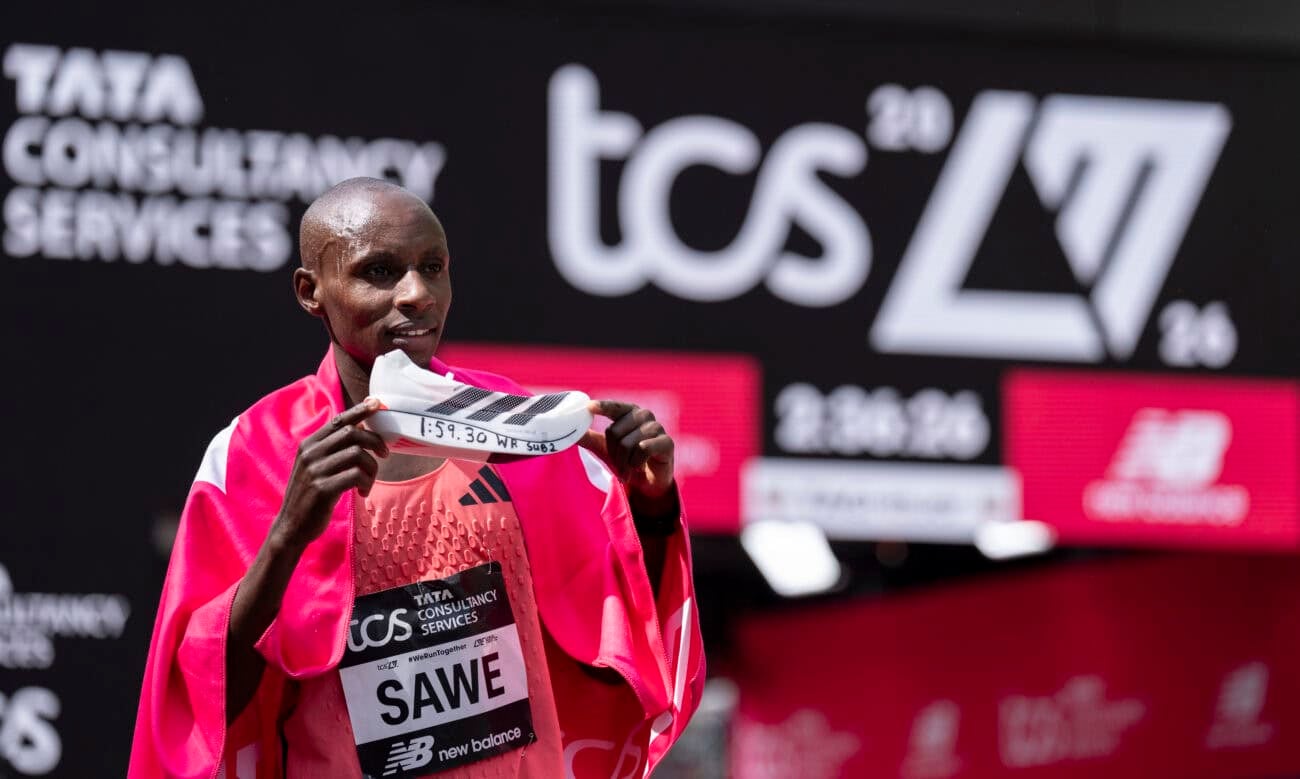
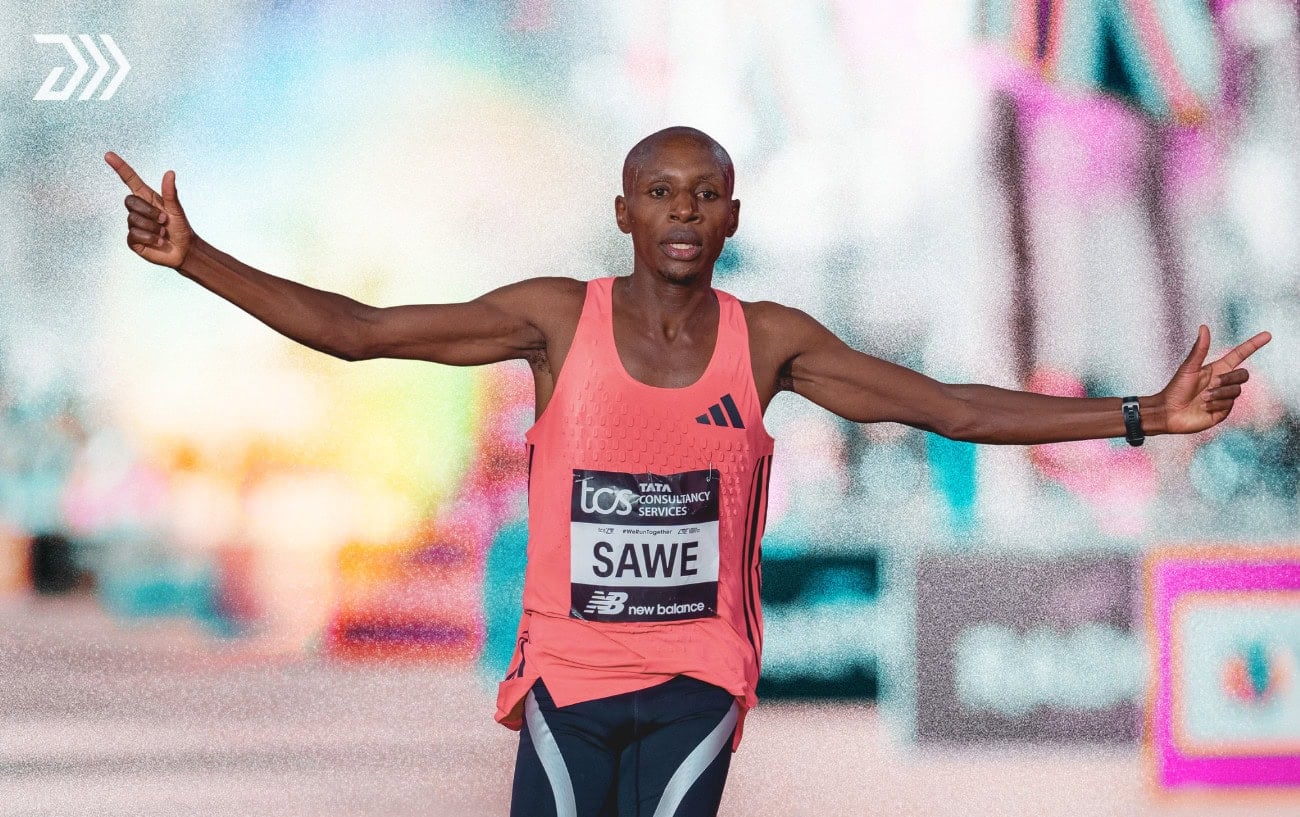
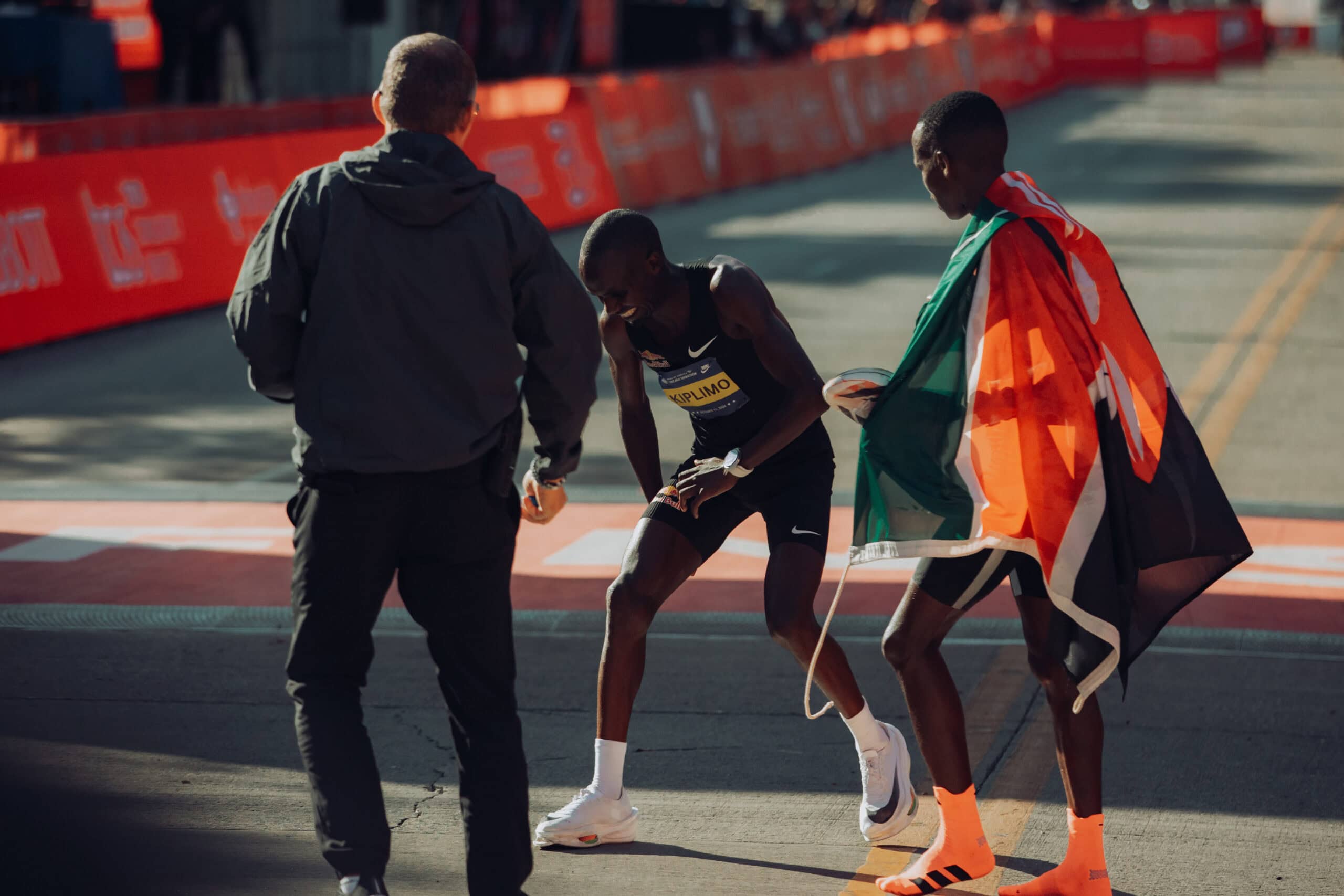
At the London Marathon on April 26, Sawe clocked 1:59:30 to become the first human to run an official sub-two-hour marathon. His training partner Yomif Kejelcha of Ethiopia crossed the line 11 seconds later in 1:59:41. Both men race for Adidas, and both wore the same prototype that day: the Adizero Adios Pro Evo 3.
“I don’t want to be seen as a dinosaur creeping out of my grave screaming at people,” Wardlaw told Wide World of Sports. “It’s all philosophical, and I think the marathon is important.”
Wardlaw is not arguing the shoes should be banned. He is arguing the technology has changed the sport so quickly that records set in the past decade should be marked accordingly, and that World Athletics still has time to slow the rate of change.
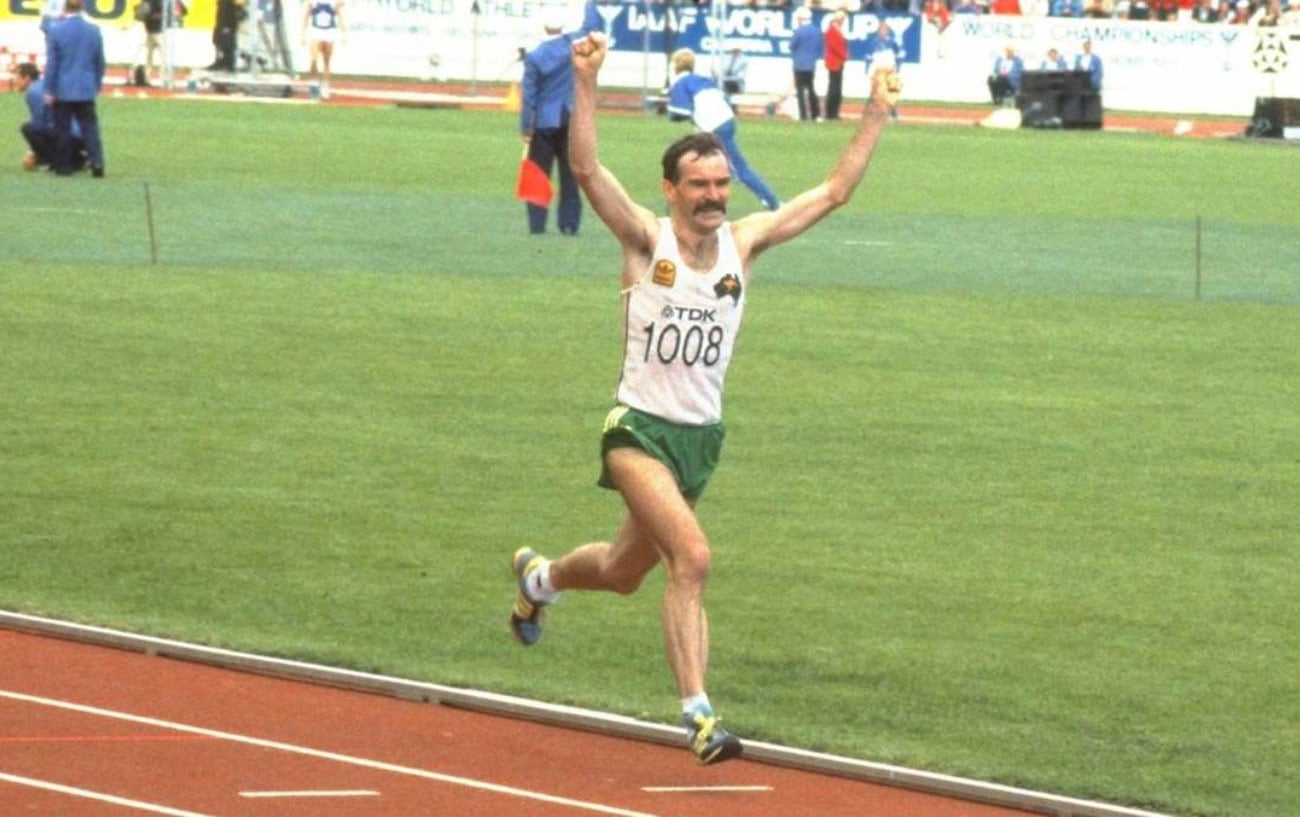
“Anybody who knows maths would say there’s been a jump here that has to be explained more by technology than human endeavour,” he said in the Nine interview.
The Pro Evo 3, which Adidas describes as carrying “carbon-infused energy rods” and the company’s “lightest and most responsive foam to date,” sits at a stack height of 39 millimetres. That is one millimetre under the current World Athletics ceiling of 40mm for road racing shoes. Adidas claims the new rods and foam combine to deliver an 11 per cent improvement in energy return and a 1.6 per cent boost in running economy over the previous model.
The modern super shoe era dates to 2017, when Nike released the original Zoom Vaporfly 4%. Wardlaw, who told Nine he likes to joke that pre-2017 is BC and post-2017 is AD, says the disruption has been on a scale that other gear shifts in the sport cannot match.
Distance running, in his framing, is fundamentally a competition with gravity. Wardlaw told Wide World of Sports that the marathon has long been a metaphor for life precisely because it is so difficult to cover 26 miles and 385 yards on foot, let alone do so quickly. The way he sees it, decades of training methodology were built around that struggle. The super shoe, by contrast, exists to take the struggle out.
“To me, it distorts what the true meaning of the sport should be,” he said.
To make his case, Wardlaw points to swimming. In 2009, swimmers wearing full-body polyurethane suits broke 147 world records, with 43 of those falling at a single championships in Rome. The sport’s governing body banned the suits from January 1, 2010.
Wardlaw told Nine that swimming concluded the suits were “changing the nature of the sport,” a “flotation device” that defeated the purpose of training. He contrasted that decision with athletics, which has so far chosen not to follow suit. “It’s interesting swimming made that choice but we didn’t,” he said. “And for an obvious reason: it’s the shoe companies, they’re big business.”
World Athletics currently caps road racing shoes at a 40mm stack height with no more than one rigid plate. Track shoes for distance events must come in at 20mm or lower, down from 25mm and, before that, 30mm.
Asked by Wide World of Sports whether he would support splitting record lists into pre-2017 and post-2017 categories, Wardlaw was unequivocal.
“I would love that,” he said. “I think we need to acknowledge in the lists a very, very clear distinction.”
The man at the top of World Athletics does not share that view. President Sebastian Coe was asked about the technology by the BBC during a recent visit to Botswana for the world athletics relays, in remarks that Nine cited in its report.
“I don’t think any society, any civilisation, any sector of the economy has been served well if you try to strangle innovation,” Coe told the BBC. “The role of World Athletics is very clear: we want to enable, but we also have a regulatory responsibility.”
Supporters of the super shoe boom often draw a parallel with the move from cinder and grass tracks to synthetic surfaces across the 1960s and 1970s, a transition that produced its own avalanche of records. Wardlaw, in the Nine interview, rejects the comparison and argues that no previous gear change has been this profound.
The Nine piece notes that Wardlaw is willing to acknowledge what the technology has given the sport. The contracts and prize money on offer to elite athletes have grown to figures that would have seemed fantastical to runners of his generation. Recreational participation has surged, helped by the fact that everyday runners in modern racers can train for and complete distances that once felt unreachable. He also accepts that improvements in fuelling, training and coaching have lifted times alongside the shoes.
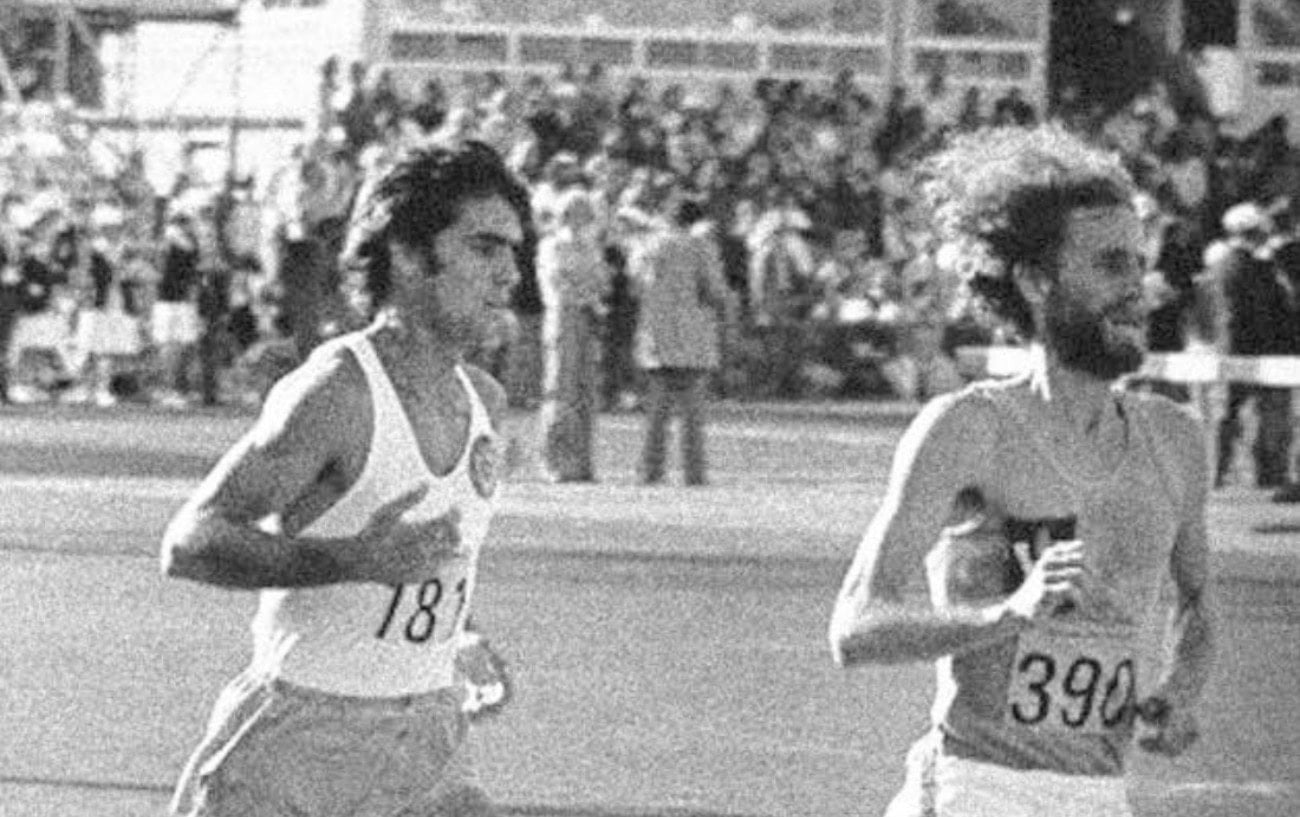
The numbers still nag at him. Wardlaw set his marathon personal best of 2:11:55 at Japan’s Fukuoka Marathon in 1979. He raced the 1976 Olympic marathon in a pair of green and gold Nike Oregon Waffles, a racing flat with none of the propulsive plates, foams or rods that define today’s elite footwear. He went on to coach Steve Moneghetti, one of Australia’s most accomplished marathoners.
In the Wide World of Sports interview, Wardlaw speculated about what the world record might look like in a different timeline. Without super shoes, he said, he would not be surprised if the mark sat around 2:01, given how close Ethiopia’s Haile Gebrselassie came in 2008. The sub-two-hour barrier, he allowed, might still have fallen in the right conditions. “But I would prefer to know it was for that reason and not the shoes,” he told Nine.
Gebrselassie set the marathon world record at 2:03:59 in Berlin in 2008. Kenya’s Dennis Kimetto lowered it to 2:02:57, also in Berlin, in 2014. That mark was the last set before Nike released the Vaporfly 4% in 2017.
For Wardlaw, the door on regulation has not closed. He told Wide World of Sports that it is “not too late now to freeze it a little bit,” and that World Athletics should be more deliberate about what it considers legitimate. Otherwise, he warned, the sport ends up on springs, with athletes drawing pogo-stick comparisons.
He closed the Nine interview with what he called the legacy question.
“There are asterisks everywhere. There’s no question about the technology,” he said. “I just want to make sure that the legacy is respected and that we ask really important questions about what the end point is.”
RunClub
Get more running stories — join RunClub
Daily running news, a community of 300,000+ runners, free training plans for every distance, and a daily running game. Free to join — no card.
Already a member? Log in →







Join the conversation
I must admit that I have wondered how much faster marathon runners would have been in the 1970s had they been wearing super shoes.
What level of profoundness does he suggest banning innovative gear?