


Kenya’s Sabastian Sawe will run the Berlin Marathon on September 27, his first race since becoming the first man to break two hours over 26.2 miles in an official marathon, organisers confirmed on Wednesday.
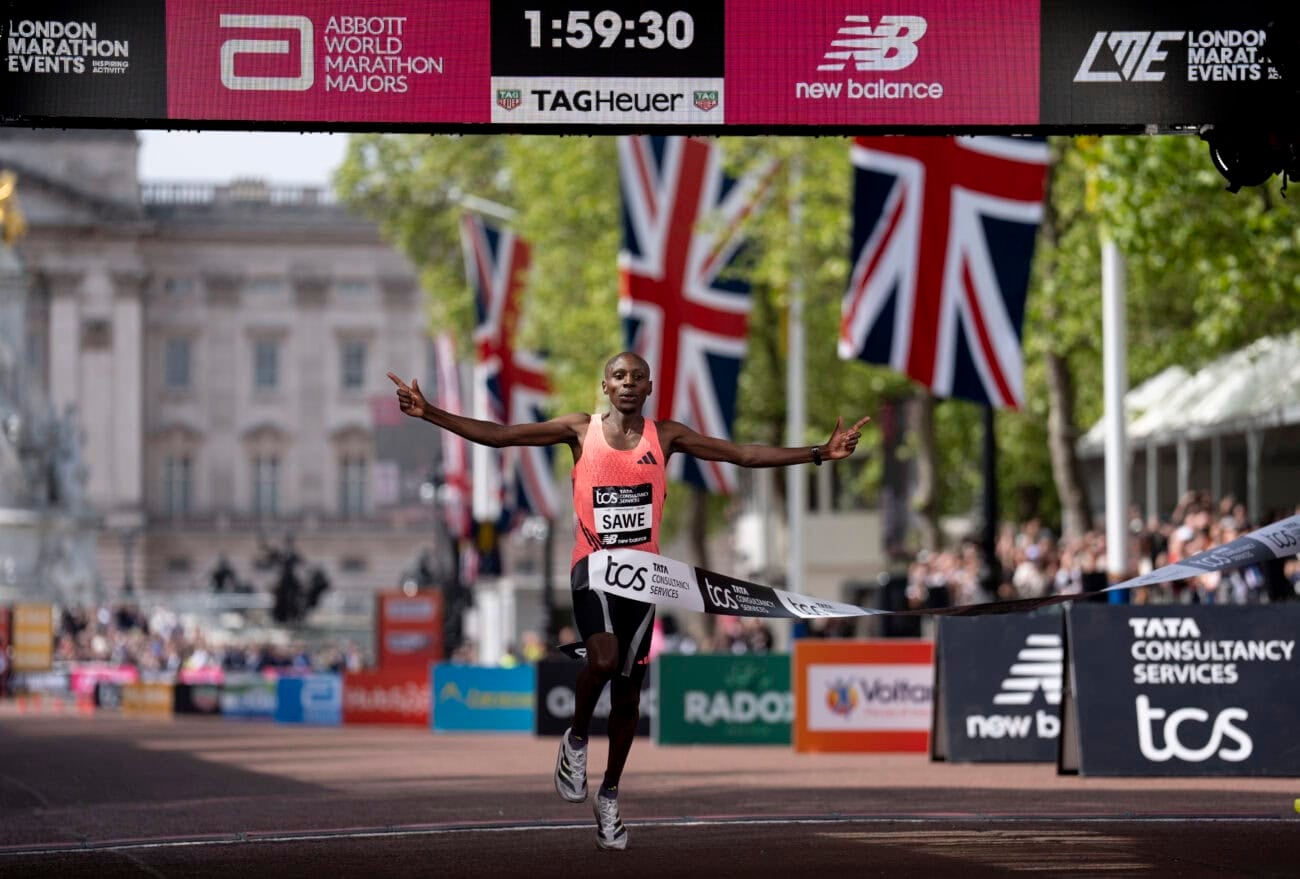
The 31-year-old ran 1:59:30 at the London Marathon on April 26. It was the run that settled the most argued-about question in distance running of the past decade, whether a marathon could be run under two hours in actual race conditions.
Eliud Kipchoge had gone 1:59:40 at the INEOS 1:59 Challenge in Vienna in 2019, but that performance, with its rotating pacing teams and laser-guided pace lights, was never eligible for record purposes. London made it official.
What Sawe would do next has been the subject of speculation in running circles ever since. The answer, organisers announced on Wednesday, is Berlin.
“Many people may be wondering what my goals are this time round. After coming off my win in London and sub-2 performance, I can only say that, like always, I plan to prepare myself to the best of my ability and to come to Berlin to honor this great event and organization which have invited me, and to run as well and fast as possible. Then on the day we will see what will happen,” Sawe said in a statement.
A Course Built for Records
Berlin is the obvious destination for a runner chasing fast times. Nine men’s world records were set on the course between 1998 and 2022. The route is flat. September in the city is usually cool, and the pacing groups tend to be built around the kind of professional field that comes specifically to chase records rather than place high in a tactical race.
The current course record belongs to Sawe’s compatriot Kipchoge, who ran 2:01:09 in 2022. That was the world record at the time. It stood until Sawe took it down in London last month.
Sawe knows the course. He won the 2025 Berlin Marathon in 2:02:16, the fastest marathon time anywhere in the world that year. He ran it on a day when temperatures climbed to 25°C, conditions that typically cost an elite runner a minute or more over the distance. Berlin in September is rarely that warm. A cooler day this year would put him in striking distance of Kipchoge’s course mark and possibly within reach of his own world record.
A Big Field, and a Bigger Question
The 2026 race is expected to bring around 60,000 runners from 160 countries to the start line. The field includes world-class professionals and first-time marathoners covering the same course at very different speeds, which is part of the appeal for the recreational entry pool. Standing on the same start line as the first man to officially go sub-two is not something most amateur runners get to do twice.
For Sawe, the return to Berlin is more than a title defence. London changed his career and changed the conversation around what is physiologically possible over the marathon distance. The performance also reopened the long-running debate about super shoes, course design, and how much of a sub-two run comes down to the runner.
Berlin will not settle any of those arguments. But it will say something about whether 1:59:30 was a single great day or whether it happens again.
RunClub
Get more running stories — join RunClub
Daily running news, a community of 300,000+ runners, free training plans for every distance, and a daily running game. Free to join — no card.
Already a member? Log in →










Start the conversation