The claim first showed up in the messy sprawl of social media: a Saudi oil billionaire, Khalid bin Al-Fahad, offering Eliud Kipchoge the kind of money usually reserved for football superstars or Formula 1 champions.
A billion dollars up front, half a billion a year for a decade, bonuses layered on top, and a stadium in Riyadh bearing Kipchoge’s name.
No confirmation from Kipchoge’s camp, no official statement, no verifiable contract. Just a rumour with enough detail to make us stop scrolling.
On its own, it’s a loud but unverified claim. But looking at the bigger picture, it fits into the pattern of Saudi Arabia’s approach to global sport over the past decade: scale, influence, and an appetite for acquiring not just the world’s biggest events, but its biggest icons.
"Kenya abandoned you, but Saudi Arabia always appreciates and welcomes you. Please don't retire." Saudi billionaire Sheikh Khalid bin Al-Fahad, an oil tycoon, has publicly called on Eliud Kipchoge to leave Kenya and compete under the flag of… Saudi Arabia. He announced that he… pic.twitter.com/NdYeWuvRfH
— Boniface (@kilundeezy) November 22, 2025
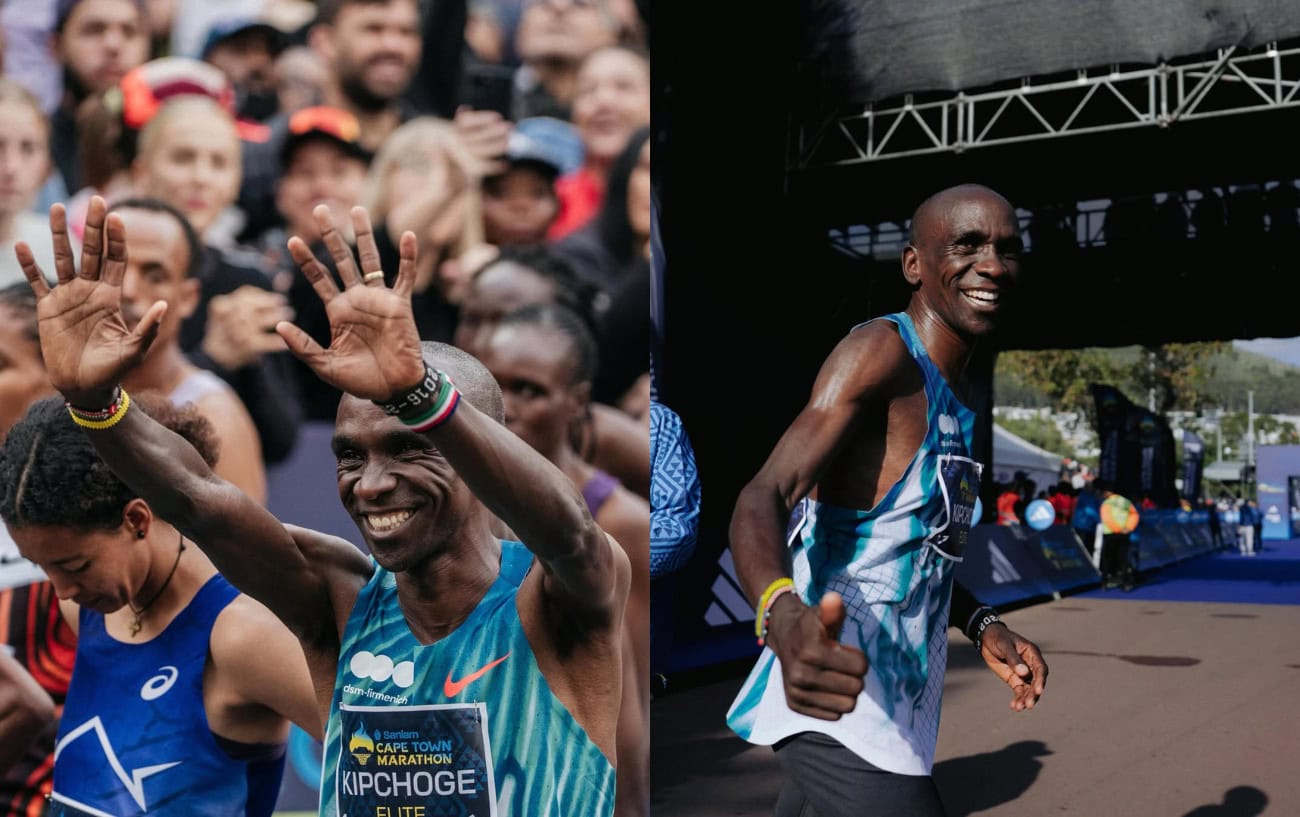
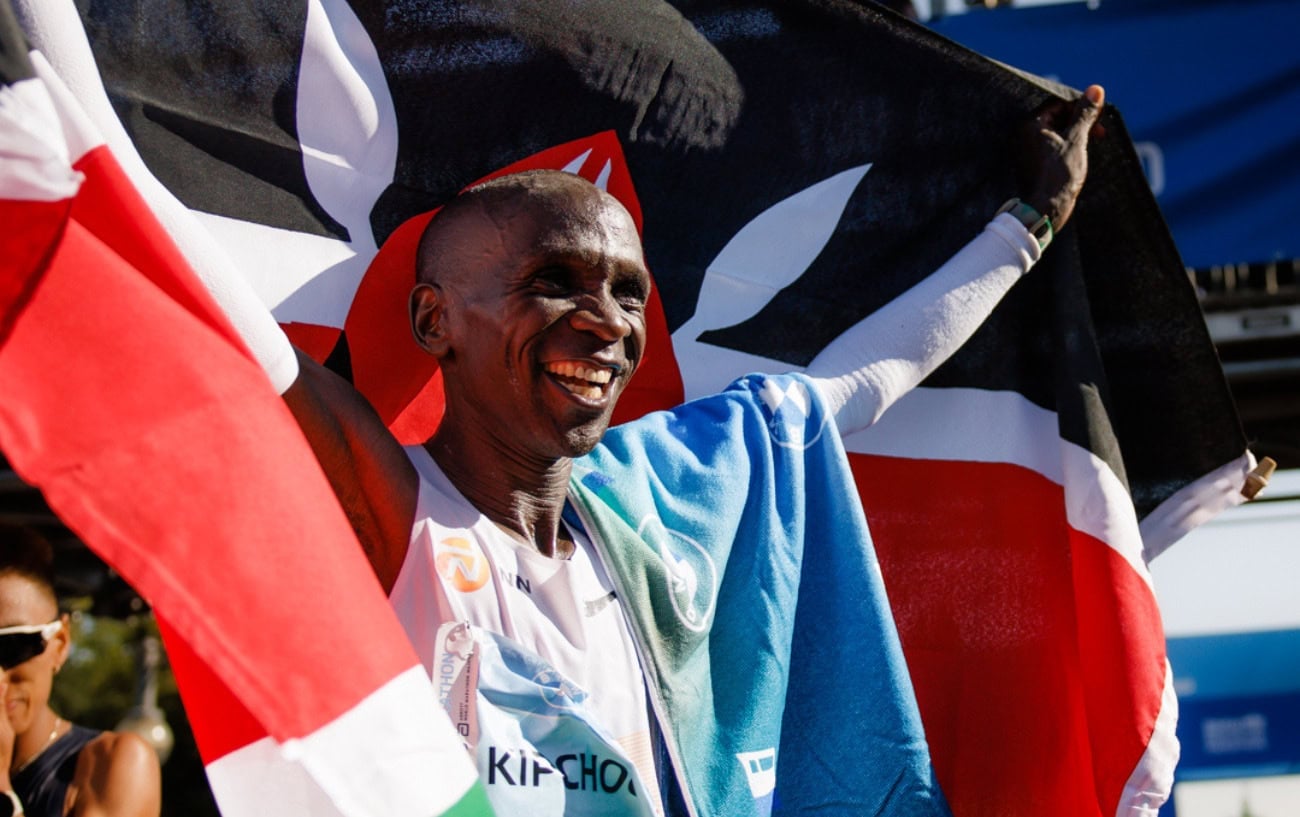
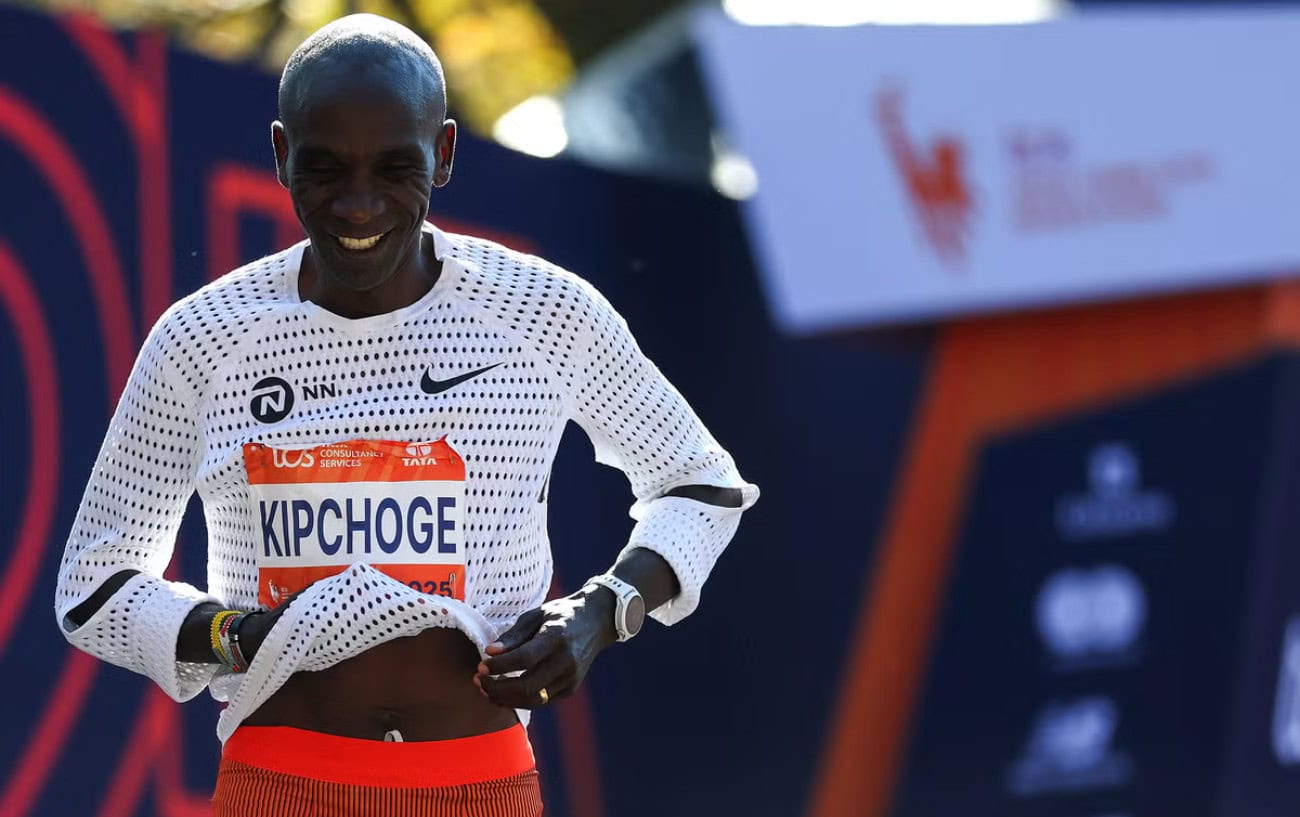
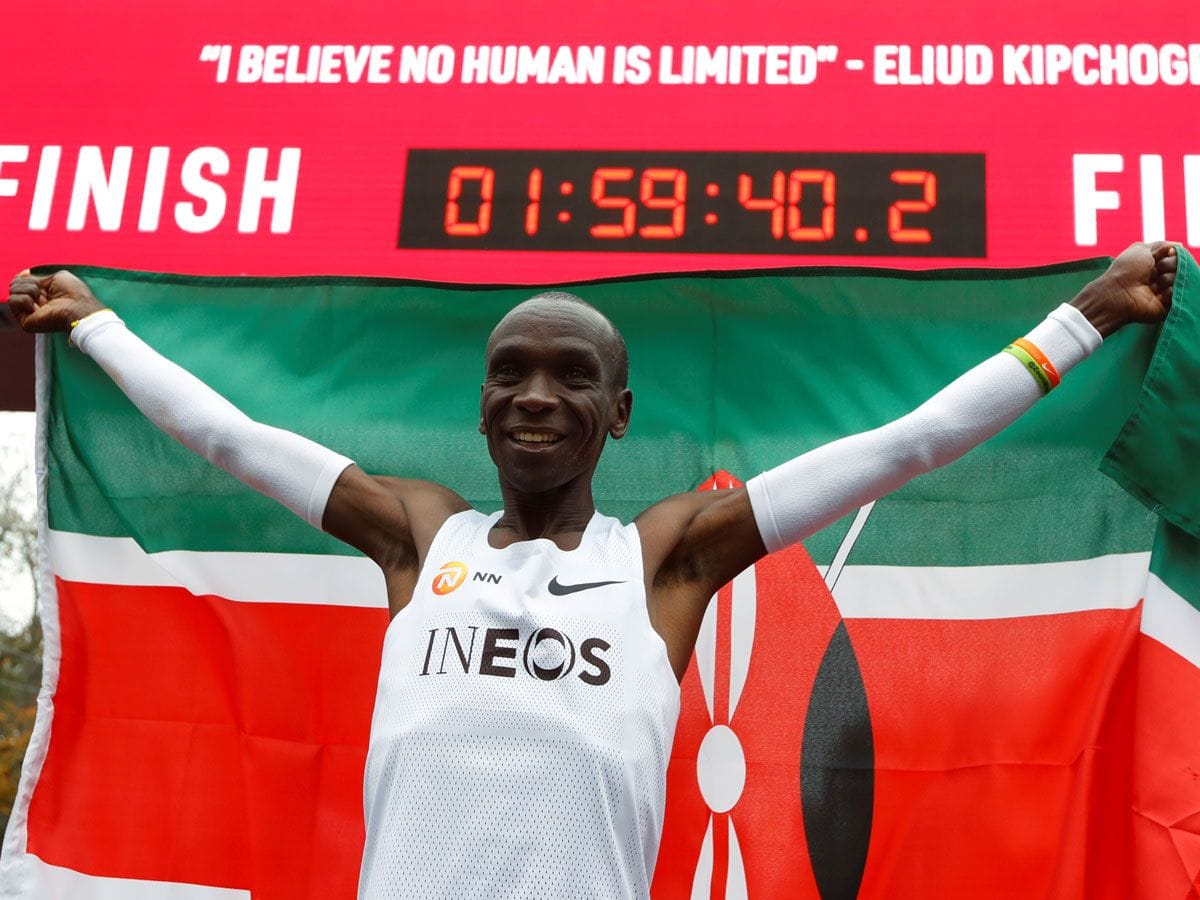
We all know Kipchoge is not just a marathoner. He is arguably the most important distance runner of the modern era; Olympic champion, former world record holder, and the face of marathon running for an entire generation.
Kenya sees him as part of its national identity. For Saudi Arabia, securing an athlete of his stature would be something entirely different: a symbolic entry point into a sport they have never fully penetrated.
Here’s the thing, Saudi Arabia’s presence across global sport is nothing new, however, the range of its influence continues to expand.
Soccer was its first major catch. Over the past few years, the Saudi Pro League has lured European stars with salaries beyond anything Western clubs could match. FIFA then formalised a global partnership with Saudi Aramco in 2024 and Saudi Arabi was confrimed as the host for the 2034 FIFA World Cup.
Formula 1 followed, with the Jeddah Corniche circuit added to the calendar and negotiations underway for additional events. Heavyweight boxing has built a semi-permanent home there, shifting some of the sport’s most lucrative fights to Riyadh. Golf, once unshakeably traditional, fractured when LIV Golf burst through with a funding model that forced the PGA Tour to the negotiating table.
Athletics, until now, had remained mostly untouched.
Aside from hosting occasional road races and sponsoring smaller events, Saudi Arabia was never a big player in track and field.
That began to change when the Public Investment Fund (PIF) started exploring major investment in World Athletics’ commercial arm in 2023–24.
The discussions were sensitive enough that WA faced internal questions about reputation, independence, and political influence. While the deal didn’t materialise publicly, it hinted at a strategic interest: the world’s most global Olympic sport has massive untapped commercial potential.
Money talks, and if football and motorsport could be reshaped through capital, why not athletics?
With that context, the idea of Saudi Arabia approaching Kipchoge doesn’t exist in a vacuum. To understand it, you have to look at the concept that critics and scholars have been describing for years: sport-washing.

Sport-washing is simple in theory and complicated in execution.
The basic idea is that a state uses sport, including major events, superstar athletes, global partnerships, to improve its international image.
The criticism isn’t about hosting sport or sponsoring athletes and events; countries do that all the time. It’s about using sport strategically to soften reputational issues, distract from human-rights concerns or position a nation as a rising global power through cultural influence instead of diplomacy.
The mechanism works because sport is emotional, it bypasses politics and speaks directly to identity.
Saudi Arabia’s investment across global sport is often described through that lens.
The scale is massive, the speed is unprecedented, and the targets tend to be high-profile enough that they shift global narratives. Kipchoge, then, would be kind of crown jewel: the most famous distance runner of the 21st century carrying a Saudi flag at major marathons or events.
What makes this rumoured offer so provocative is that athletics has always clung to a kind of moral simplicity. Nationality in track and field is tied to childhood, lineage, and development systems.
When Kenyan runners moved to represent Qatar or Bahrain in the 2000s, it generated global debate because it seemed to break the unwritten rule that athletes “belonged” to the countries that raised them. World Athletics eventually froze and then re-structured rules around nationality transfers, partly to slow the commodification of passports.
And yet, Kipchoge himself has never shown interest in competing for another nation. His public statements over the years have consistently framed running as service, to Kenya, to the idea of human potential, to the next generation of athletes in the Rift Valley (and the world, really).
There are no official documents, no press conferences, no confirmations from either side. But what the rumour reveals is how athletics is entering the same territory football, golf, and motorsport have already navigated. Global capital is trying to buy our sports’ most iconic symbols.