


In a Marathon Handbook podcast shortly after Eliud Kipchoge’s recent New York City Marathon, Alex Cyr noted that many consider Kipchoge a philosopher-king of running.
I certainly do—especially when I recall a comment Kipchoge made after his stunning 1:59:40 marathon in 2019. Most people, after achieving something extraordinary, might say, “Next, I’m going to Disney World.”
Not Kipchoge. He said, “The reason for running 1:59 is not the performance. The reason to run 1:59 is to tell the farmer that he is not limited; to tell the teacher that she can produce good results in school; to tell that engineer that he can go to another project.”
With many other statements like this one, Kipchoge deserves to be called a philosopher-king of running. But he’s not the only one. I also give that mantle to two other great runner-thinkers: Dr. George Sheehan and novelist Haruki Murakami.
Here’s why—along with a brief look at all three runners and a sampling of their most thoughtful words.
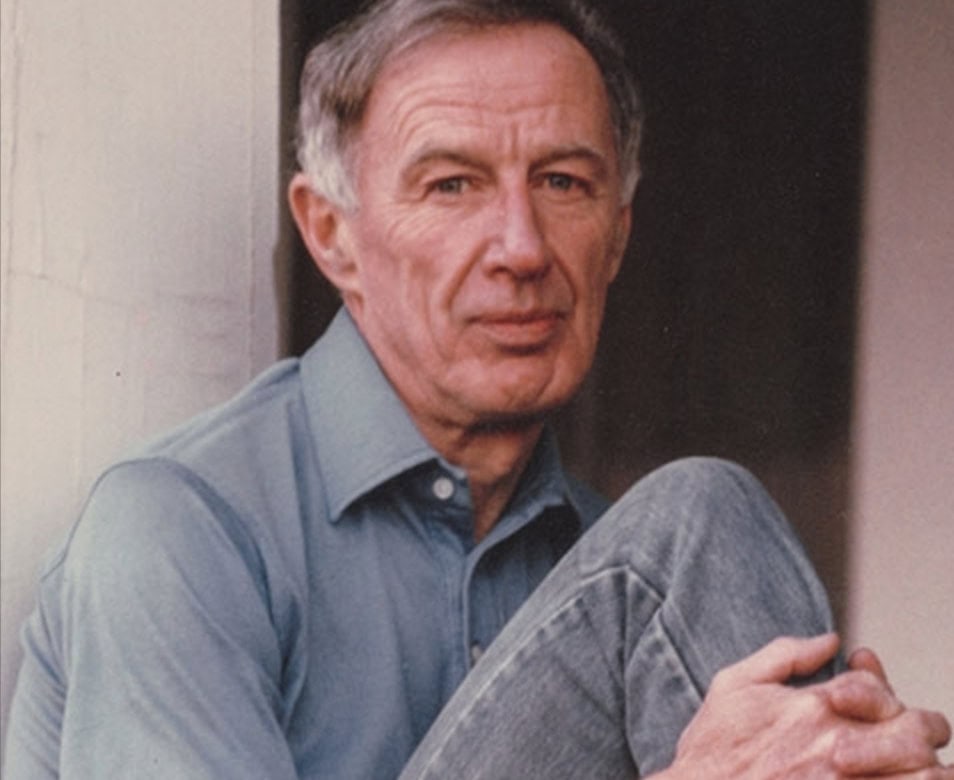
George Sheehan: Cardiologist, Marathon Man, And Writer Of Enduring Truths
George Sheehan’s long-running monthly column at Runner’s World was the magazine’s most popular feature. Believe me, I know. I was the executive editor during Sheehan’s tenure as a columnist, and I read all the fan mail that came flooding in.
A cardiologist by profession, Sheehan had run in college but then abandoned the sport for 20 years while raising a family and establishing his medical practice. He came back with a vengeance. In 1968, at 50, he ran a 4:47 mile to become the first runner over 50 to go sub-five.
He also finished more than half a dozen Boston Marathons with a best of 3:08:38, often collapsing just past the finish line. He believed in giving everything he had in every race.
Sheehan’s column rarely discussed the “how” of running. He was more drawn to the “why” and how running could lead to self-discovery and spiritual growth. He often quoted great thinkers from William James to Ralph Waldo Emerson to the Spanish philosopher Ortega y Gasset.
Sheehan popularized the notion that we run best and most joyfully when we “play” at running like youngsters in a park. He noted that we are all “an experiment of one,” and drummed home the most important health-running message of all time: “Listen to your body.”
The author of eight books, including the best-seller Running & Being, Sheehan died in late 1993, just days before his 75th birthday, after a seven-year struggle with prostate cancer. Toward the end, I begged him to visit my Runner’s World office for one last interview. I felt it was important like Netflix’s “Famous Last Words” with Jane Goodall.
He resisted at first, but finally relented, and we reviewed his life, running, and writing for more than an hour. My last question: What’s your summary statement about running and life?
Sheehan replied: “All we can do is the best we can do with what we’ve got.”
Here are five other great Sheehan quotes:
- “We may think there is willpower involved, but more likely change is due to want power. Wanting the new addiction more than the old one. Wanting the new me in preference to the person I am now.
- “If you want to win anything—a race, yourself, your life—you have to go a little berserk.
- “Sweat cleanses from the inside. It comes from places a shower will never reach.”
- There are as many reasons for running as there are days in the year, years in my life. But mostly I run because I am an animal and a child, an artist and a saint. So, too, are you. Find your own play, your own self-renewing compulsion, and you will become the person you are meant to be.
- “Success means having the courage, the determination, and the will to become the person you believe you were meant to be.”
How Haruki Murakami Combines Running And Creativity
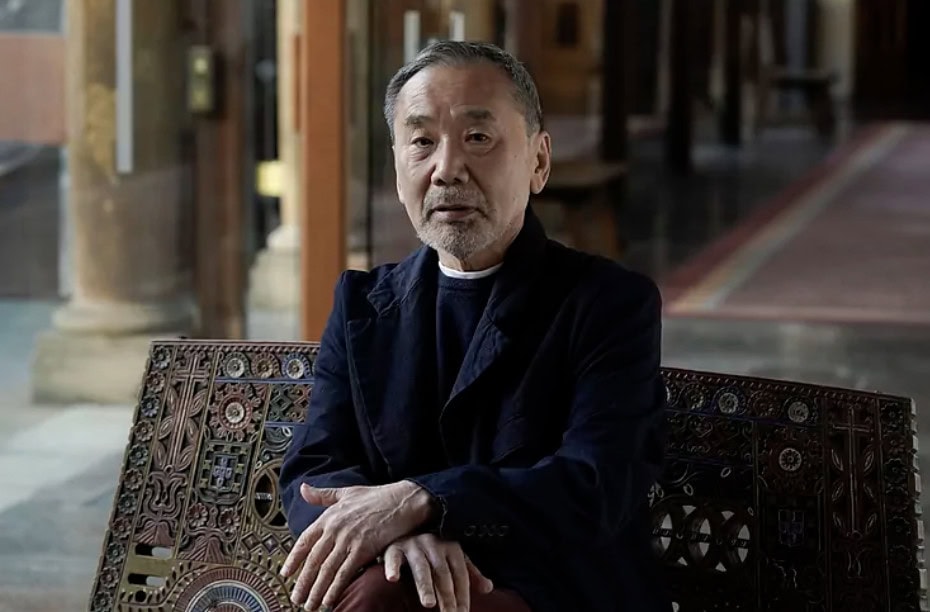
Haruki Murakami is a globally renowned Japanese novelist, and annually considered a top contender for the Nobel Prize in Literature. Now 76, he started his adult life as owner, with his wife, of a small jazz bar in Tokyo. After seven years, he pivoted to writing, and his debut novel, Hear the Wind Sing, received high praise, launching his writing career.
In 1991, Murakami ran the New York City Marathon in 3:31:26. He said that running provided the physical and mental relief necessary to sustain the solitary, demanding life of a writer. He has since run New York, Boston, and Honolulu on many occasions, with a Boston Marathon best of 3:38:10.
In 2007, Murakami released a thought-provoking work titled What I Talk About When I Talk About Running. It drew many parallels between the daily practices crucial to succeeding in running and in writing.
What I Talk About expresses experiences and inner feelings common to most runners. For example, Murakami wrote: “People sometimes sneer at those who run every day, claiming they’ll go to any length to live longer. But I don’t think that’s the reason most people run. Most runners run not because they want to live longer, but because they want to live life to the fullest.”
My favorite Murakami quote is: “Pain is inevitable. Suffering is optional.” These words express a universal truth. We will all face obstacles —and even pain —in our running and in every dimension of our lives.
Stuff happens. Yet we can control these discomforts by the way we react to them. You don’t have to be a Buddhist. You do have to practice seeing yourself and your situations through a wider lens.
Here are five additional gems from Murakami:
- “The longer the distance you run, the more introspective you become.”
- “The thoughts that occur to me while I’m running are like clouds in the sky. Clouds of all different sizes. They come and they go, while the sky remains the same sky as always.”
- “Muscles are hard to get and easy to lose. Fat is easy to get and hard to lose.”
- “I just run. I run in a void. Or maybe I should put it the other way: I run in order to acquire a void.”
- “For me, running is both exercise and a metaphor. Running day after day, piling up the races, bit by bit I raise the bar, and by clearing each level I elevate myself.”
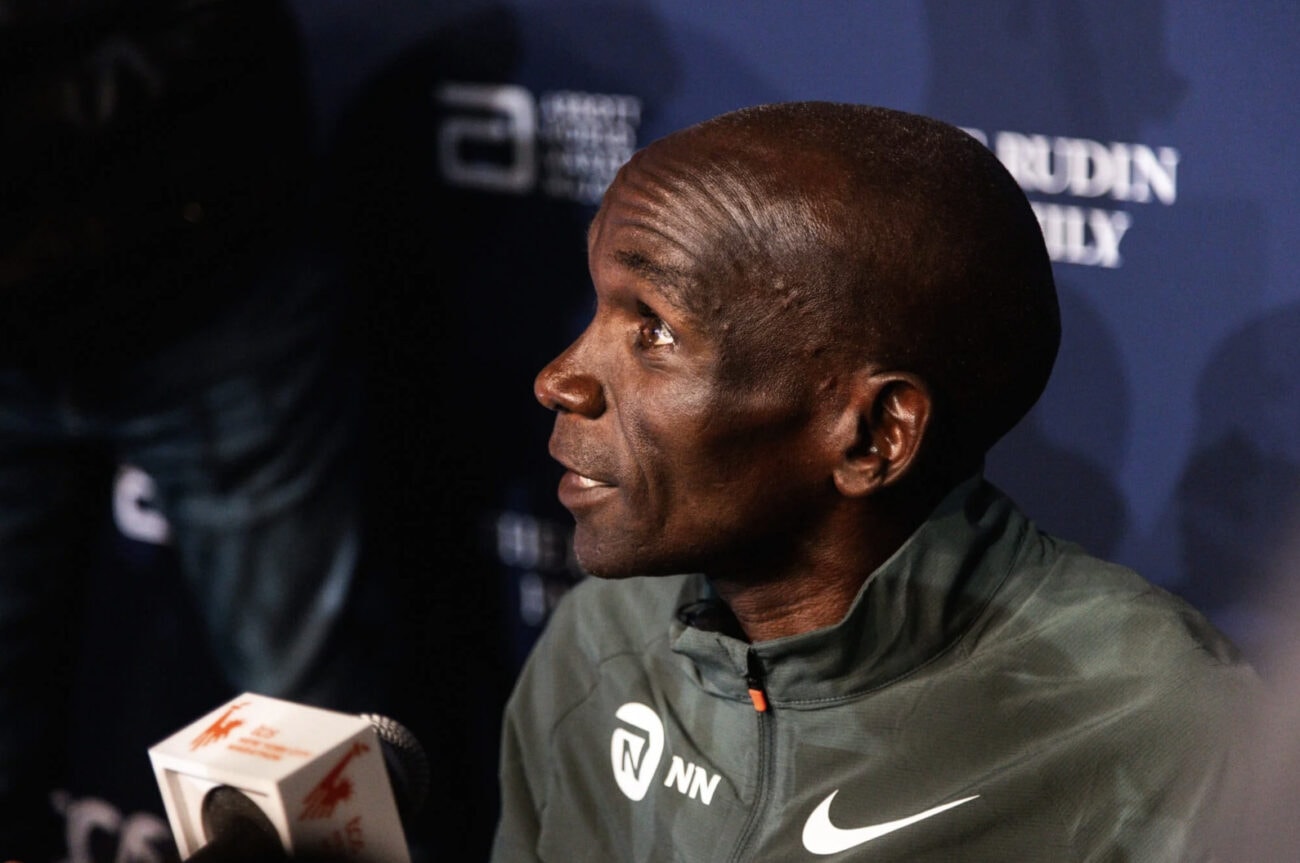
Eliud Kipchoge: Fast Of Foot, And Swift Of Mind
Eliud Kipchoge is the fastest of the philosopher-kings of running, and also long-enduring. He hit the world stage with a 5,000-meter win in the 2003 World Championships, and he ran both Sydney and New York City in the last three months to gain finishes in all seven World Marathon Majors.
Famous and no doubt rich, Kipchoge nonetheless trains at a spartan, high-altitude camp in Kenya, where he shares the workload (food prep to latrine cleaning) with far less-accomplished athletes.
Kipchoge’s legacy rests on his 11 victories in World Marathon Majors events and his two Olympic Marathon titles. But he has become known throughout the running world for his humility, his monk-like existence, his expansive reading habit, and his commitment to social goals.
Several days after finishing the New York City Marathon, Kipchoge visited with former President Barack Obama in Washington, D.C. He gave Obama a pair of autographed Nike Alphaflys, and the two discussed how their charitable foundations might work together.
The 41-year-old Kenyan is best known for his “No human is limited” quote, but that’s not my favorite. I much prefer this one, probably borrowed from his exploration of Chinese proverbs: “The best time to plant a tree was 20 years ago. The second best time is now.”
Here are five other great thoughts from Eliud Kipchoge:
- “We achieve success through many small habits.”
- “Only the disciplined ones in life are free. If you are undisciplined, you are a slave to your moods and your passions. Discipline is freedom, and consistency is power.”
- “Athletics is not so much about the legs. It’s about the heart and mind.”
- “I believe in a philosophy that says to win is actually not important. To be successful is not even important. How to plan and prepare is critical and crucial.”
- “Life is about challenging your mind when you’re at your toughest moments.”
Common Elements Of Running’s Three Philosopher-Kings
George Sheehan, Haruki Murakami, and Eliud Kipchoge come from different cultures and continents. Little else besides running links them.
Yet, they share certain viewpoints. They believe that running is intensely personal, evoking strong emotions. They believe that the most important organ is the mind, not the heart muscle or leg fibers.
And they believe that running can be a creative act on the individual level, and a humanizing force on a global scale.
We are lucky to have such philosopher-kings. Their words inspire us and bid us follow in their footsteps.
For more words to move and inspire you, check out our next piece—a collection of motivational running quotes.
RunClub — Free
Join 300,000+ runners in RunClub
Free training plans for every distance, a daily running game, exclusive coaching content, and a real community of runners. Create your free account in 20 seconds — no card.
Already a member? Log in →










Start the conversation