

Track Time
LOOKING BACK at my college running days in the mid-1970s, the memories of doing workouts on the track emerge with crystal clarity. At that time, I was lucky enough to be coached by Bob Sevene, a genuine track and field fanatic. Over the course of the years I spent under his guidance, my appreciation for the benefits of including the track in my weekly training schedule was greatly enhanced.
The achievements of Sev’s teams were due to a large extent to his challenging track workouts. Not only were there improvements in our personal bests in track and cross-country, but our road racing times improved dramatically as well. The key was not excessive amounts of natural ability but that we had the motivation necessary to follow the coach’s plans.
Several decades later, speed work on the track is recognized as a common staple in many a marathon runner’s diet. Although there are numerous approaches to this form of training with a number of variables involved, the benefits are quite clear. What follows are a few of the many good reasons to get thee to a track.
A REST FROM THE ROADS
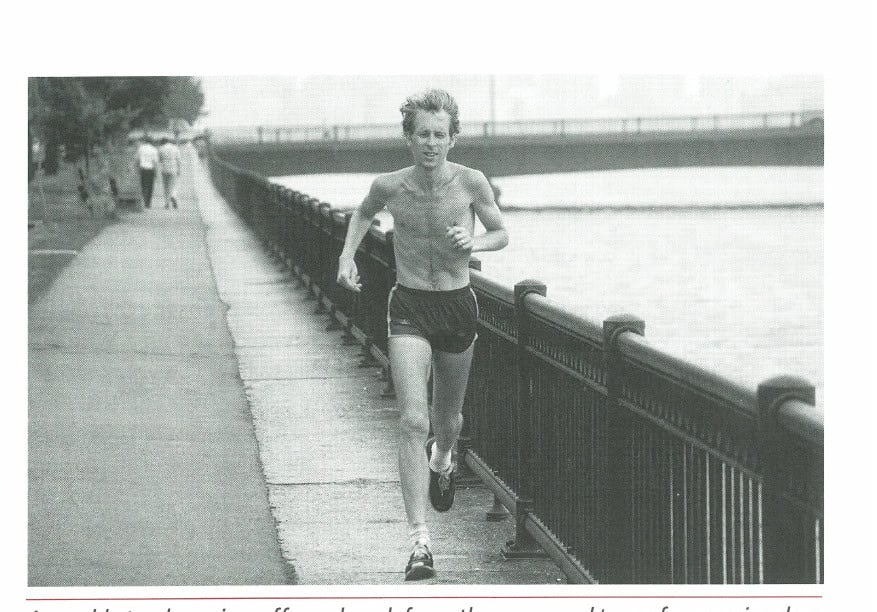
Whether you’re a competitive runner or a recreational runner, you can use a break from the wear and tear of successive days of training on the roads. The track offers a kinder and gentler running surface. It can provide you with sanctuary from the distractions of stressed-out motorists and other obstacles you encounter while training on the roads.
Hitting the track for a speed session once a week or so can be refreshing and can add a dynamic new element to your training mix. You might even want to consider leaving your clunky training shoes behind and putting on some lighter-weight trainers or racing shoes for your excursions to the track.
CONTROLLED CONDITIONS
Working out on the track allows you the opportunity to get in a high-quality speed workout under controlled conditions on a level playing field where distances are correct and intervals and rest periods can be timed and monitored accurately. Although trail running, Fartlek sessions, and tempo runs on the roads certainly have their place, there may be hills and valleys, intersections and traffic problems, varying terrains, and measurement discrepancies that can make it difficult for you to assess your true level of conditioning. On the track, the clock and the distance never lie.
COACHING CONTACT
The track can provide the perfect environment for interaction with your coach or mentor. Your coach can give you some good, sound advice on how to improve your running, assist you with implementing a plan, monitor your progress, and give you some encouragement and moral support. The significance of the relationship between coach and athlete cannot be overstated. I can say from my own experience that with the right chemistry you may find yourself motivated to succeed almost as much for your coach as for yourself. I’m sure many runners out there remember their high school, college, or running club coaches and agree with me in this regard.
RAISING THE BAR
A direct correlation exists between getting faster and your capacity to raise the bar and push yourself to higher thresholds of endurance in training. With this goal in mind, the track can be a perfect environment to help you gradually get used to running at a faster pace. Although you may feel awkward at first, once you’ve gotten comfortable with things and have a few workouts under your belt, it’s surprising how quickly you can learn how to push yourself toward challenging goals that are within your grasp.
By completing workouts on the track that acclimate you to running at race pace or faster, combined with strength work on the roads and trails, you may reach the point where your targeted marathon race pace feels more like cruising (as it should if you’re really ready to race).
IMPACT ON FORM
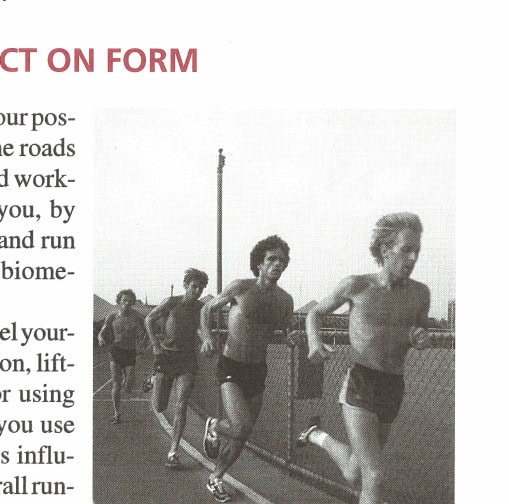
There are usually differences in your posture and form when running on the roads versus running on the track. Speed workouts on the track can influence you, by necessity, to clean up your form and run more smoothly and with more biomechanical efficiency.
As you get stronger, you may feel yourself smoothing out your arm motion, lifting your knees slightly higher, or using different muscles from the ones you use in your road or trail training. This influence on the efficiency of your overall running form can have a positive impact on your training and racing at any distance, all the way up to the ultramarathon.
CONFIDENCE BOOSTER
Certainly, one way to analyze your fitness level is to consider it in terms of the times you’ve recorded over specific courses on the roads or trails. However, if most of your training is done at similar distances and paces, there may be times when it’s tough to assess your true level of fitness and confirm that you’re really in top form.
Incorporating track workouts into your weekly training schedule gives you a great means of both improving your level of fitness and confirming that you’re really at your optimal level of fitness when race day arrives. By completing speed sessions on the track at race pace or faster, you’ll know that you’re ready to race. Seeing yourself running at a faster pace than you’re used to can help you believe and visualize that a personal best is on the horizon.
RACING TACTICS
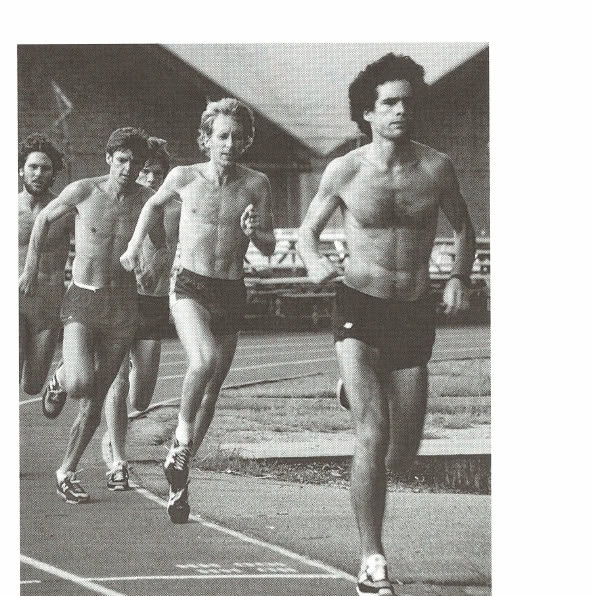
The track can help you prepare for some of the factors you’ll face on race day. The experience of running in a tight pack at a fast pace on the track can help you develop your tactical racing skills.
After a few sessions on the track, do you feel more comfortable leading the way, or do you prefer tucking yourself into the back of the pack? Having gone out too slowly on the first lap of an interval, how do you feel about having to shift gears to pick things up in order to get the pace back on track? In this situation you’ve got the perfect opportunity to develop your crisis management skills, a key element of long-distance running. Front running, learning to draft off others, and surging are elements of racing for which the track is a perfect testing ground.
TEAM BUILDING
Although important in all forms of training, teamwork is an essential ingredient of running on the track. Sharing lead responsibilities and running together in a pack are typical characteristics of speed workouts on the track. Ideally, in this environment you’ll find yourself working with your teammates and motivating each other to complete workouts that you might never have been able to accomplish on your own. A bond that develops among teammates working together can be a tremendous advantage when race day arrives, particularly in the longer distances or in events where team scoring is involved.
HANDLE WITH CARE
Yes, you can derive great benefits from incorporating track workouts into your weekly training schedule, but because of the increased level of intensity and that you may be stressing different muscle groups from those associated with your road work and other forms of training, you’ll need to exercise caution to avoid injury. Remember to warm up, cool down, and stretch; be careful not to overdo your workout.
LAST BUT NOT LEAST
A major factor for success on the track is finding other runners to share the experience. Check out the local running clubs in your area. Scan the regional running magazines. Here in Boston, a connection can easily be made by contacting the local USATF or RRCA office for a comprehensive listing of all the clubs in the area. Chances are you’ve got similar options for making a connection in your city. Do it. As beneficial as track work can be for your training, a partner to train with makes it even better.
This article originally appeared in Marathon & Beyond, Vol. 4, No. 3 (2000).
← Browse the full M&B ArchiveMore like this
1,000+ stories from 19 years of Marathon & Beyond
The complete archive of the legendary long-distance journal — digitized and free to read.
