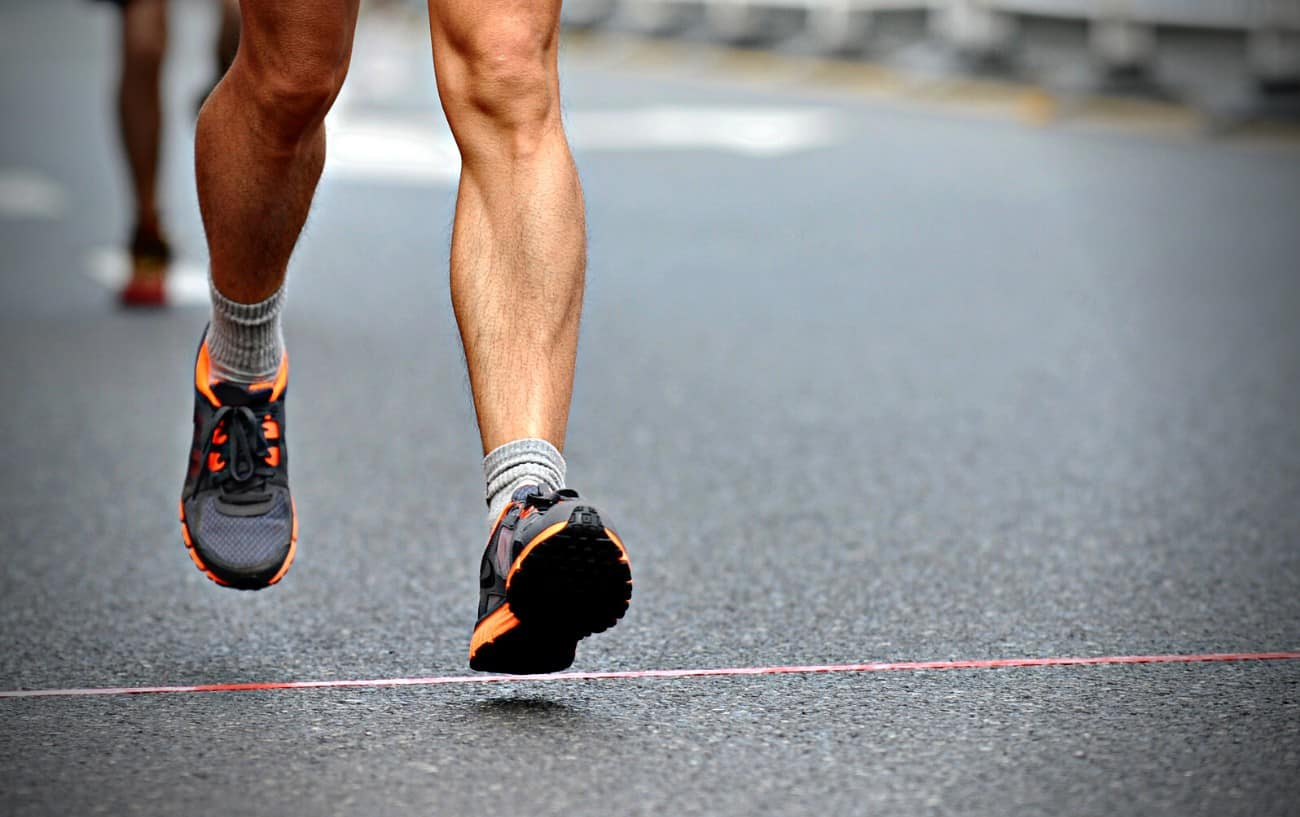
Running may look simple, but each step is a coordinated sequence of movements. From the moment your foot hits the ground (heel strike), to the way it rolls forward, to the final push-off, your body is constantly absorbing and redistributing force.
A key part of this process is pronation, the natural inward rolling of the foot after landing that helps absorb shock and support efficient movement.
The opposite motion, supination, refers to the outward rolling of the foot, which contributes to propulsion. Both are normal and necessary—but when either is excessive or insufficient, it can affect your running mechanics and how stress is distributed through your lower body.
Most runners have heard these terms, but few fully understand what they mean or how they impact performance and injury risk. We’ll break down pronation vs. supination, explore overpronation and underpronation, and explain what it all means for your running—and what you can do about it.

What Is Pronation?
Let’s start with the basics. What do we mean by pronation?
In the simplest terms, pronation refers to the natural side-to-side or inward movement of your foot when you run or walk. In actuality, it is a complex, dynamic motion that involves simultaneous dorsiflexion, eversion, and abduction of the foot.
This means that the foot is positioned slightly upward, as if lifting off the car’s gas pedal, with the sole pointing slightly outward and the inner edge (medial side) of the foot coming inward towards the other foot.
To simplify things, during normal pronation, your foot rolls slightly inward with each step, as the flexible mediolateral arch of the foot flattens somewhat to attenuate the impact from landing on the foot, so you land more on the medial edge of the foot (the inner edge, or the one that is closer to the other foot).
When you land on your midfoot or heel, the flexible foot pronates to cushion your landing. Normal pronation is said to be about 15 degrees of an inward roll of the foot from the ankle.
This degree of pronation optimizes the alignment of the lower-limb joints along the kinetic chain (ankles, knees, and hips), which can reduce the risk of injury because the bones and joints are in the correct position to absorb the forces and shock of landing.
As you move through the stance phase of that running step and prepare to push off for the next stride, your arch rises from its flattened state and stiffens to provide stability, allowing your foot to serve as a strong, stiff lever for push-off from the forefoot and big toe.
If you have normal pronation and a neutral stride, the foot rolls outward and upward somewhat as you push off.

Pronation vs Supination
When looking at pronation vs supination, pronation denotes the inward rolling of the foot, while supination refers to the outward rolling of the foot.
As mentioned, pronation is a complex movement of the foot that combines dorsiflexion, eversion, and abduction. Supination is the opposite, so it involves plantarflexion, inversion, and adduction of the foot.
A supinated foot is positioned pointing slightly downward at the ankle, with the sole of the foot pointing inward such that the pinky toe side of the foot (lateral portion) is down on the ground, and the underside of the foot closer to the big toe is off the ground and tilted up towards your opposite leg.
If you supinate when you run, your weight is on the outer edge of your foot.
Types of Pronation: Overpronation vs. Underpronation, Supination
If you’ve ever been to a running shoe store and had your gait analyzed, or seen a podiatrist for orthotics, you might have been told that you overpronate, underpronate, or maybe you were told you supinate. Let’s discuss what these terms mean relative to normal pronation.
Overpronation
Overpronation, also known as excess pronation, refers to an exaggerated pronation of the foot when you land during your running stride. Overpronation tends to be more common among runners than underpronation or supination.
Runners who overpronate show excessive inward rolling of the foot at the ankle—beyond 15 degrees—and an excessive collapse of the arch during foot strike.
Many runners who overpronate have flat feet or very low arches, as well as a flexible foot, though this isn’t an absolute truth.
The wear pattern on the running shoe of a runner who overpronates will show uneven wear on the inside of the heel, midfoot, and potentially even the forefoot.
Overpronation can increase the risk of running-related injuries such as plantar fasciitis, bunions, heel spurs, shin splints, and runner’s knee.
Underpronation and Supination
Underpronation can also be referred to as excessive supination. Runners who underpronate do not have the normal 15-degree inward roll of the foot at foot strike. Instead, they may land more on the outside of the foot and push off more with the lateral toes, such as the fourth and fifth.
If you underpronate or supinate when you run, you might have high arches and a stiffer foot, but this isn’t necessarily true.
Runners who underpronate or display excessive supination of the foot are at an increased risk for shock-related injuries like shin splints and stress fractures, as well as injuries like ankle sprains, Achilles tendonitis, plantar fasciitis, and iliotibial band syndrome.

What Causes Overpronation and Underpronation?
In most cases, overpronation or underpronation are primarily a product of your foot structure and arch shape. Again, overpronation tends to occur if you have flat feet, while underpronation is common in those with high arches.
Gait imbalances can contribute to overpronation or underpronation, especially if you have a leg length discrepancy or torsional issues like tibial torsion or femoral anteversion.
Lastly, obesity and pregnancy can increase the risk of overpronation and a collapse of the arch.
What to Do About It
Runners who supinate or pronate excessively when they run can attempt to correct their biomechanics with a combination of some of the following strategies:
#1: Get A Gait Analysis
The first step of solving any problem is to correctly identify and evaluate the issue.
Seeing a specialist to perform a running gait analysis can help determine whether your feet pronate normally, overpronate, or underpronate, and by how much.
Many runners think they can make an accurate self-assessment of their pronation, but studies show1Hohmann, E., Reaburn, P., & Imhoff, A. (2012). Runner’s knowledge of their foot type: Do they really know? The Foot, 22(3), 205–210. https://doi.org/10.1016/j.foot.2012.04.008 that fewer than 50% of runners can correctly determine their arch type and pronation during running.
#2: Choose the Right Running Shoes
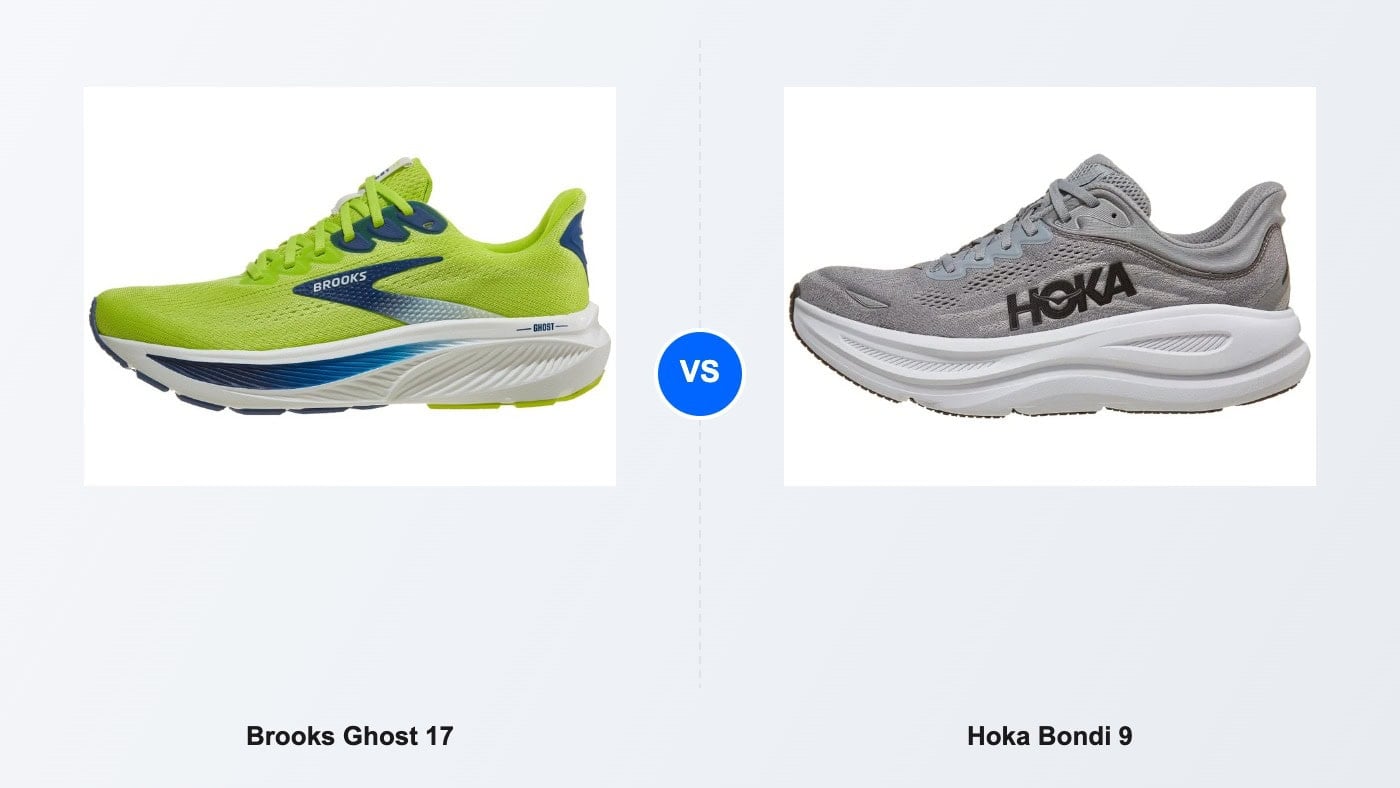
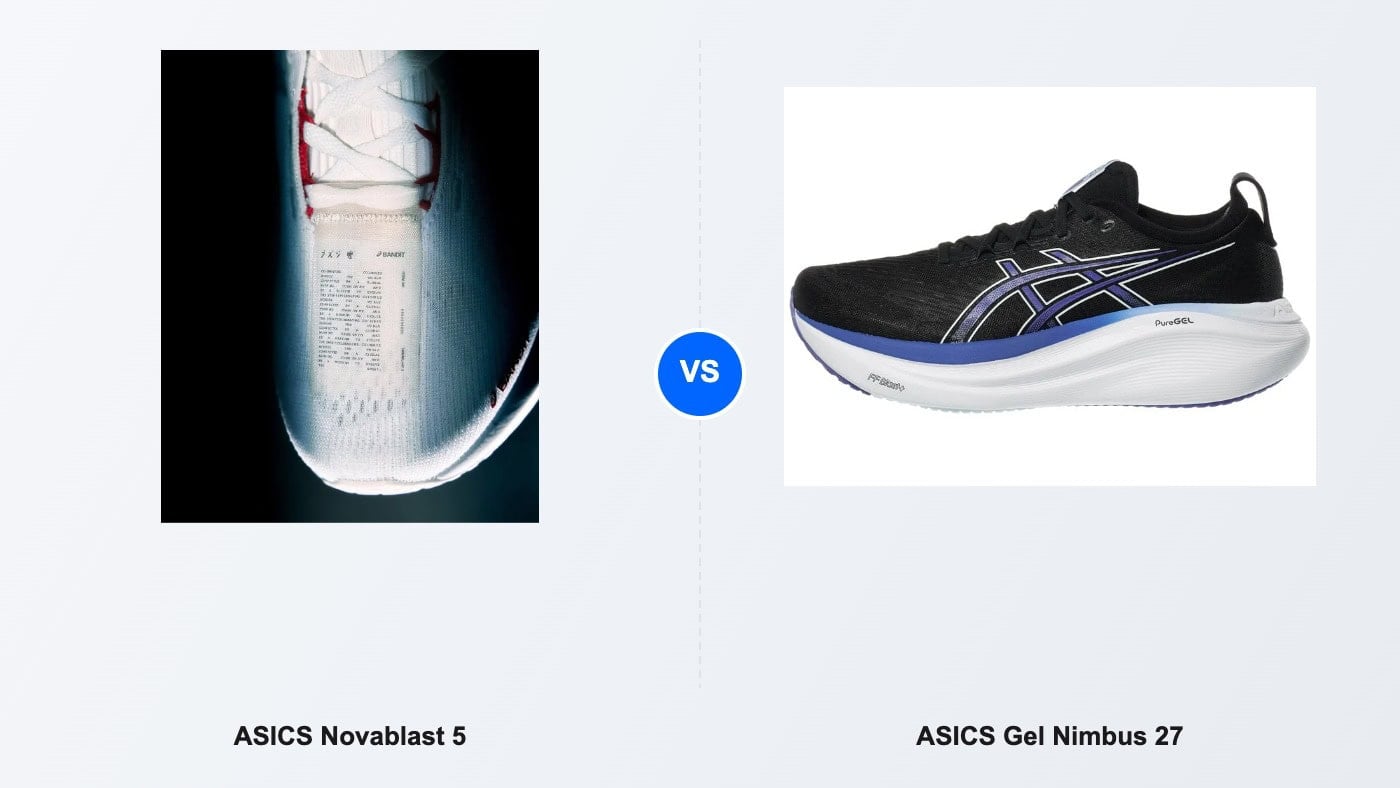
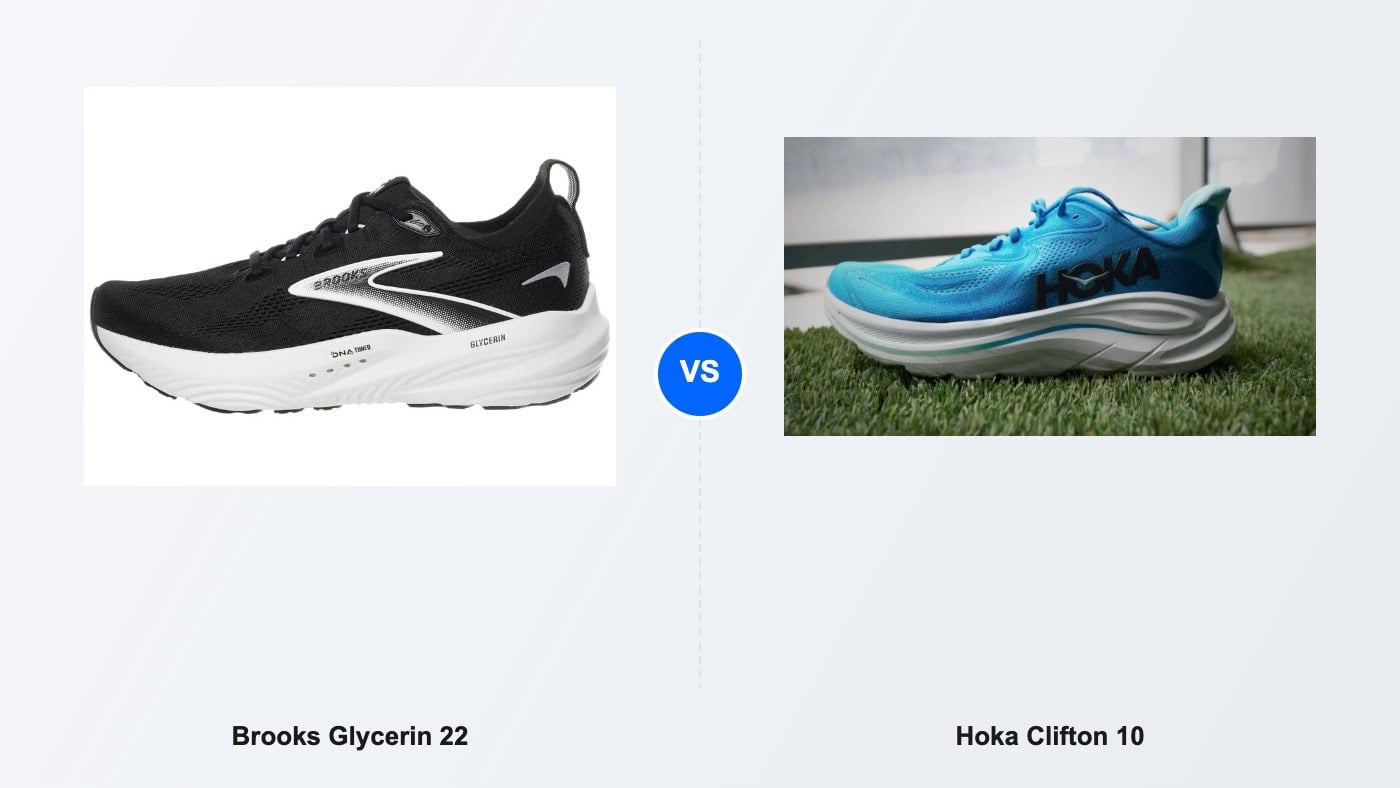
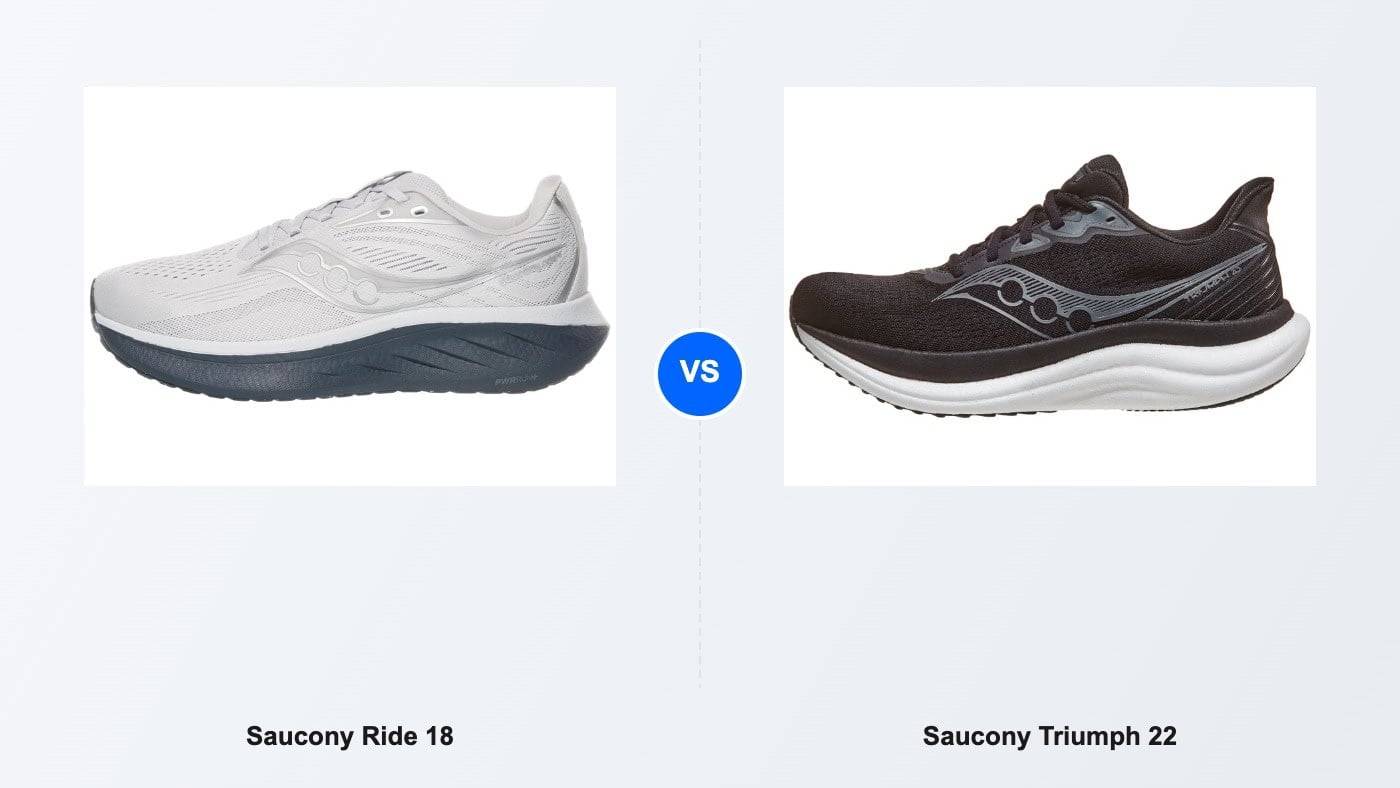
If your feet overpronate, consider stability running shoes (for mild overpronation) or motion control shoes (for more severe overpronation).
Stability and motion control running shoes help control overpronation by providing support to the medial-lateral arch of the foot. This is achieved through guide rails along the heel portion of the running shoe and posting along the medial surface and sole to prevent the foot from collapsing inward.
Most stability and motion-control running shoes also have a heel counter in addition to guide rails. A heel counter is a firm, somewhat stiff yet padded structural component that cups the heel and ankle to guide the foot from initial contact or landing through the heel-to-toe transition, preventing overpronation.
If you supinate or have high arches, opt for a neutral running shoe or a well-cushioned shoe with a flexible midfoot and firm outside.
The cushioning will help provide some of the shock attenuation normally achieved by the collapsing and then rebounding of the arch upon foot strike when the foot pronates.
With all that said, there is some evidence suggesting that buying the most comfortable running shoes—rather than opting for a specific type based on pronation—is actually the ticket to reducing the risk of running-related injuries.2Nigg, B., Baltich, J., Hoerzer, S., & Enders, H. (2015). Running shoes and running injuries: mythbusting and a proposal for two new paradigms: “preferred movement path” and “comfort filter.” British Journal of Sports Medicine, 49(20), 1290–1294. https://doi.org/10.1136/bjsports-2015-095054
#3: Try Orthotics
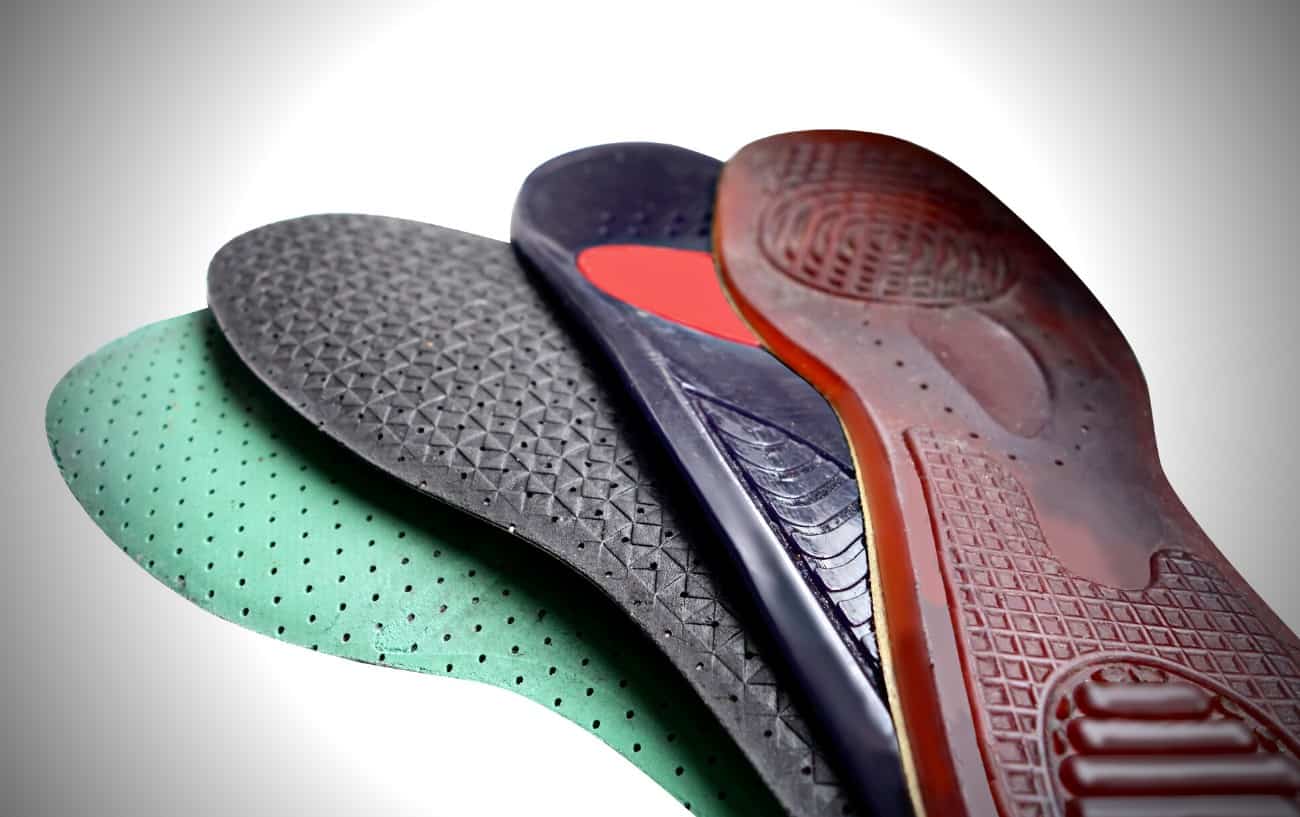
Over-the-counter running orthotics can be a good starting place, but runners with moderate to severe overpronation or underpronation should consider seeing a podiatrist for custom orthotics.
#4: Work With a Physical Therapist
Although it’s unlikely that you’ll be able to fully correct any pronation issues, particularly if they stem from structural abnormalities in your foot, physical therapy may help correct any muscle imbalances, weakness, or tightness that’s contributing to gait issues.
#5: Strengthen Your Legs and Feet
Foot exercises like arch doming, picking up marbles with your toes, toe yoga, and scrunching a towel with your toes can help strengthen the arch and intrinsic muscles of the foot in cases of flat-footedness.
Single-leg balance, single-leg squats, glute bridges, and clam shells can also help correct imbalances that contribute to gait abnormalities.
#6: Stretch Your Calves
Stretching your calves and Achilles several times per day can potentially help counteract some of the tightness that contributes to excessive supination.
Talk with your healthcare provider or podiatrist if you have further concerns about your feet. The good news is that plenty of runners who overpronate or supinate train successfully. You can too.
For a complete calf stretching routine, check out this next guide: