


I’ve been running marathons for 60 years, and trust me, this is a Golden Age for marathon runners. Just look at all the magic workouts, glitzy gadgets, and supplements promising a big boost.
But all of them demand careful evaluation. Because this is also a terrible time for gullible runners who fall victim to the temptation of “marginal gains.”
I call the small stuff Micros to distinguish them from the proven Macros that actually move the needle in marathon running: more and better training, structured strength sessions, adequate sleep, and smart carbohydrate fueling.
My argument is simple and firm: Do not casually stack multiple new Micros into your marathon program. Most come with little or no evidence and potential drawbacks.
For example, adding several Micros to your program represents bad personal science. When your experiment has ended, how do you know which worked? Or, worse, which led to a slower performance? (Answer: You don’t know. You wasted your precious time and aspirations.)
I’ve asked five of the world’s most respected endurance researchers to comment on the Micros vs Macros approach. Their views appear below. They largely agree with me, though not unanimously. So be sure to read on for the full, nuanced picture.

Too Many Choices, Too Much Risk, Too Little Evidence
Here’s the problem. We’ve got too many options and too little evidence. This often leads to stress (FOMO, fear of missing out), analysis paralysis, and a very complex mix of benefit-versus-risk calculations.
I took about five minutes to compile the following list of Micros. It’s not complete by any means, but it’s more than enough to drive a runner to distraction.
Training: Norwegian doubles, HIIT workouts, polarized plans, uphill intervals, 4 x 4 minutes, ellipticals, stair climbers, strength training, and plyometrics.
Recovery: Sleep pillows and mattresses, HRV, readiness scores, training load, ice and/or heat, foam rollers, massage guns, cryotherapy tanks.
Digital gizmos: GPS watches, and monitors that display: heart rate, stride rate, power output, sweat rate, glucose levels, and much more.
Diets: Vegan/vegetarian, high-protein, Keto (low-carb/high-fat), intermittent fasting, Blue Zone, Mediterranean, no alcohol, high electrolytes, periodized.
Supplements: Beetroot, broccoli sprouts, tart cherry and black cherry, sodium bicarbonate, pomegranate, creatine, whey protein, and far too many others to mention.
Exhausted already? Me, too. And most of the above are not supported by strong scientific research.
They’re more likely to be endorsed by elite runners who are paid for their name and likeness. The products might also be mentioned in website and podcast content about the same elite runners, who gain about 99 percent of all media coverage.
Yes, these runners are fast. Yes, they win many of the big races. But they aren’t fast because of the products they endorse.
They’re fast because they are fast, which is most likely a result of many 100-mile training weeks.

How To Make Smart Choices
It’s not surprising that highly motivated runners would want to try several new things at once. In fact, it’s human nature.
We gravitate toward new stuff that promises a better life. It’s almost evolutionary: walking, tools, fire, electricity, cars.
But there are always risks and paradoxes. Take walking. When you come down from the trees, you might bump into an ornery rhino.
When runners chase many Micros, similar trade-offs arise. That’s why top coaches often say things like: “Consistency beats intensity.” And: “Chasing short-term goals can undermine longer-term progress.”
Also, each new approach adds emotional and cognitive load to the program you’re following. If there’s anything new and compelling in the endurance-research world, it’s the growing evidence that cognitive load distracts from improvement.
Rather than doubling and redoubling the number of new strategies you try in training, you’d likely do better to think twice before starting any.
Here’s what five top running experts think about Micros vs Macros.
Trent Stellingwerff: Performance Boosters Are Not Additive
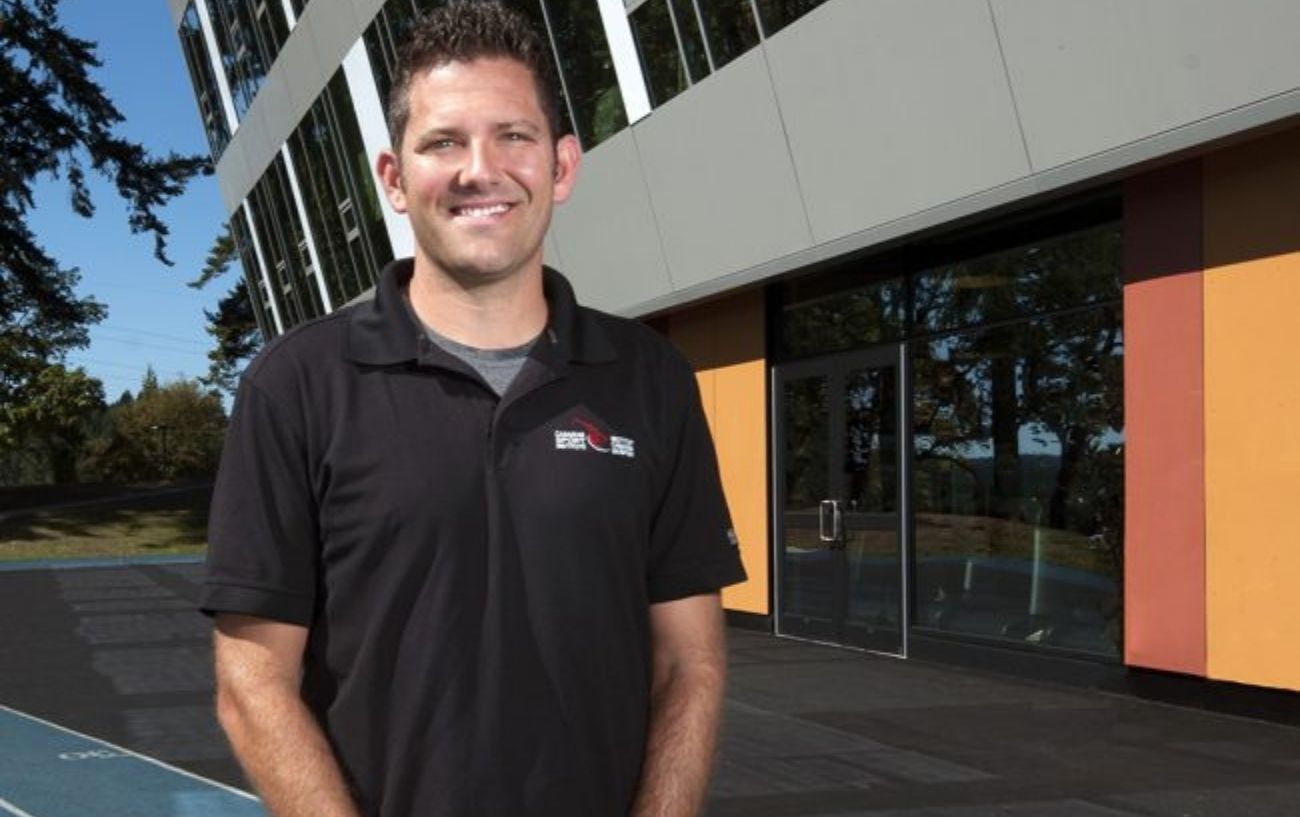
Canada’s Trent Stellingwerff is a globally recognized endurance nutrition expert at the Canadian Sport Institute and the newly organized Women’s Health, Sports and Performance Institute. He has also served as coach-adviser to top Canadian runners, including his wife, Hilary, a 2012 and 2016 Olympian (1,500 meters), and top Canadian marathon runners.
For the last decade, Stellingwerff has written and spoken about a little-recognized phenomenon, that performance-enhancing practices don’t “aggregate.” In other words, if you adopt three methods that all promise a two percent improvement, you don’t get six percent. In Stellingwerff’s view, you’re more likely to top out at about two percent.
Why? Because many ergogenics operate through the same pathway, the brain, via a lowered perceived exertion, and there may be a limit to how much your brain can lower perceived exertion.
“I agree completely that runners should be cautious about adopting a number of new interventions at once. You always have to think about risk vs reward.
“Generally speaking, any new intervention should begin with a performance-based needs assessment. Any new strategy should be approached sequentially and logically, with appropriate data collection. You’ve got to at least try to measure whether something is working or not, but this is rarely done.
“Also, remember that if an approach turns out to be ‘neutral,’ that’s actually a negative, because it has introduced distractive noise into your training program.”
Michael Joyner: Most New Stuff Is Recycled From History, And Unproven

Endurance expert Michael Joyner, M.D., ran a 2:25 marathon in the 1970s and predicted a sub-2-hour marathon in a widely cited 1991 paper.1Joyner, M. J. (1991). Modeling: optimal marathon performance on the basis of physiological factors. Journal of Applied Physiology, 70(2), 683–687. https://doi.org/10.1152/jappl.1991.70.2.683 He also composed a training haiku that goes like this:
Run a lot of miles // Some faster than your race pace // Rest once in a while.
“History repeats itself, and with the exception of digital monitors and super shoes, most ‘modern’ ideas are recycled from the past. Zone 2 was once called LSD (Long Slow Distance). Percy Cerutty had Herb Elliott lifting heavy weights. Arthur Lydiard’s hill bounding was plyometrics.
“Paavo Nurmi used sauna bathing, and massage has been around forever, only now there are mechanical products with commercial backing. However, there is little or no evidence that any of this is more effective than prior iterations. No training or recovery technique has been shown to be more effective than relative perceived exertion.
“We have far more supplements now, but few are proven to improve performance. It appears that creatine works for muscle gain, and nitric oxide produced from beets and other sources may do something for untrained subjects.”
Bas van Hooren: Don’t Do Everything; Do The Important Things Well
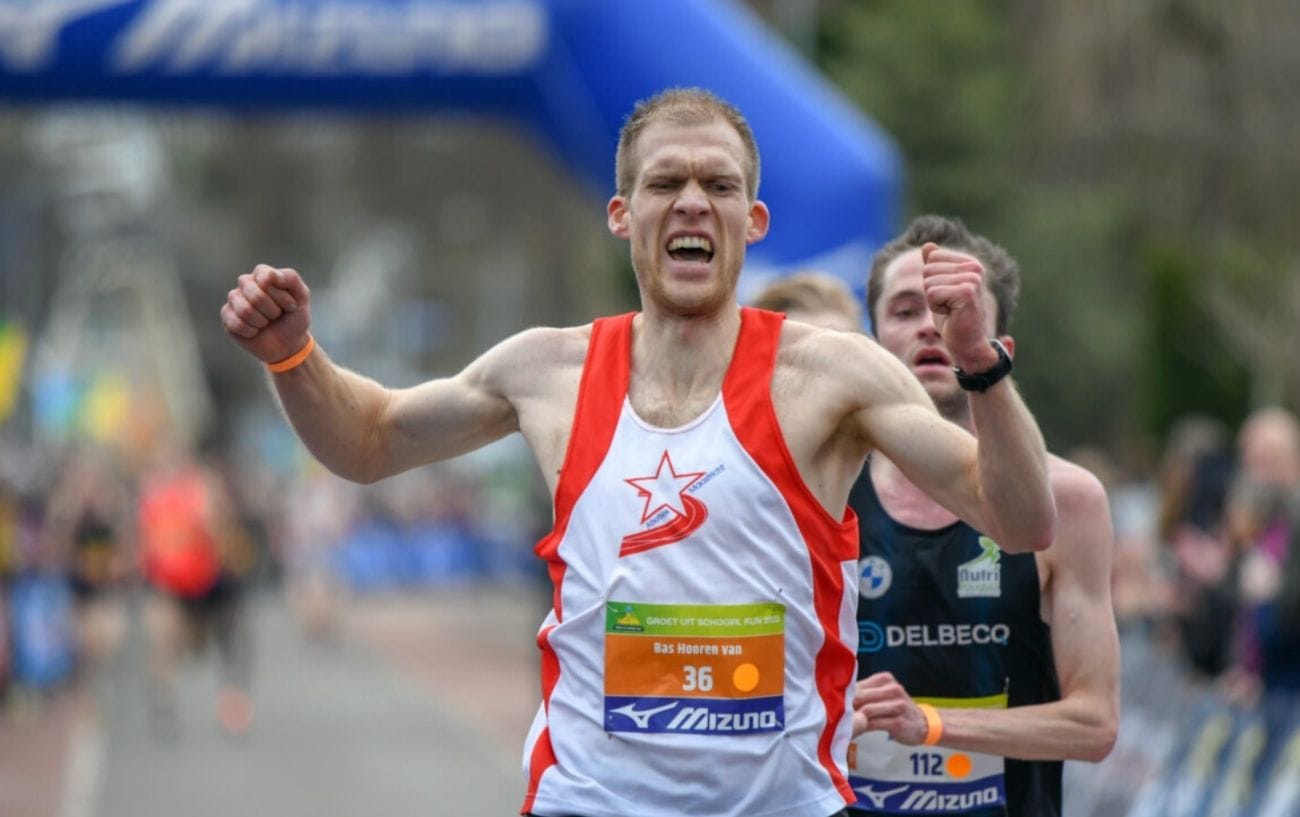
Bas van Hooren, PhD, is a Dutch performance running researcher with a personal half-marathon best of 1:02:04. He has published extensively in the fields of running biomechanics, injury prevention, and performance of exceptional older runners.
“When a runner combines too many interventions at once, this makes it very difficult to determine which one is actually effective. In addition, it can easily remove focus from the factors that truly matter most.
“I’ve experienced this myself. At one point, I put a lot of effort into optimizing many ‘smaller’ things. I got extremely strict with nutrition, sleep, and so on. This didn’t work well for me.
“Since then, I’ve shifted to a much simpler approach: I run more kilometers, focus on the core training stimulus, and allow myself more flexibility in the other areas. Interestingly, I now run considerably faster.
“I’ve heard similar stories from professional cyclists. There are many examples where combining multiple interventions led to excessive fatigue rather than the hoped-for improvements. For example, this has happened when athletes added heat training on top of high-intensity training.
“I have come to believe that doing fewer things well often beats trying to optimize everything at once. I’ve seen this particularly in my research with older runners (in their 60s and 70s) who are world-class. They all do relatively simple training and don’t take any special supplements. In my opinion, long-term consistency is the key to optimal performance.”
Andy Jones: There’s Not Much Wrong With “The Kitchen Sink” Approach

Andy Jones, PhD, is a renowned running physiologist who has advised elites ranging from Paula Radcliffe to Eliud Kipchoge. He has also consulted with Nike on special projects, including the Breaking2 marathon project with Kipchoge2Jones, A. M., Kirby, B. S., Clark, I. E., Rice, H. M., Fulkerson, E., Wylie, L. J., Wilkerson, D. P., Vanhatalo, A., & Wilkins, B. W. (2020). Physiological demands of running at 2-hour marathon race pace. Journal of Applied Physiology, 130(2). and the Breaking4 mile project with Faith Kipyegon. Jones did much of the early work on beetroot as a potential performance-booster.
“I feel a bit less negative about such practices. While some of these things won’t work for everyone and the effects of one or more of them could be vanishingly small, for the most part, they’ll not do any harm (except perhaps to the wallet).
“Given the limited number of marathons a runner can do in a year, I don’t blame anyone for ‘throwing the kitchen sink’ at those opportunities. The key, though, would be to try each of the ‘acute’ things a few times in training. Don’t save them for race day when you could get a nasty surprise.
“It’s true that runners using this approach won’t necessarily know which intervention helped their performance, or possibly hindered it. That’s why it would be smarter to be patient and systematic about evaluating each potential ergogenic aid one at a time. You wouldn’t have to do this in a marathon. You could do it in shorter races, time trials, or your usual key sessions.”
Steve Magness: Put The “Big-Bucket Basics” First

A near-4:00-minute miler in high school, Magness holds a master’s degree in exercise science and turned to coaching and writing after graduate school. He has coached several top U.S. marathon runners, including Sara Hall and Natosha Rogers. Magness has also written a number of books, including The Science of Running and Do Hard Things. With co-author Brad Stulberg, he produces The Growth Equation newsletter and podcast.
“Most amateur runners look at what the pros do without realizing that pro runners only reach for marginal gains after they’ve nailed all the big-bucket basics.
“You’ve always got to evaluate the cost-benefit ratio, not just financial, but the tradeoffs you make. Changing your diet is a huge risk that too often turns negative. Using a massage gun for 20 minutes after training might not seem to have much risk, but if you have a family and a job, and you cut into your run training to use the massage gun, that could be a negative.
“People forget that there’s a stress component to all this monitoring of heart rate, HRV, readiness scores, sleep quality, training load, etc, etc. It can create a lot of anxiety when one of your metrics goes in the wrong direction.
“Runners who get obsessed with all the magic workouts, gadgets, supplements, and so on, can become more stressed and fragile when the goal is to get stronger.”
The Verdict: Master the Macros, Respect the Micros
While the Golden Age of marathon running offers a tempting buffet of gadgets and protocols, you should always remember: More isn’t necessarily better, and complexity is no shortcut to performance.
I think Andy Jones makes some strong points in arguing that you can try several Micros without much risk. But I also believe this is the smartest path forward:
- Prioritize the “Big Buckets”: No amount of tart cherry juice or cryotherapy can compensate for a lack of miles, inconsistent sleep, or poor fueling.
- Test, Don’t Guess: If you want to try a “Micro,” introduce it in isolation. If you change five things at once, you’ve learned nothing.
- Mind the Mental Load: Training for a marathon is hard enough. Don’t introduce so much mental stress that it distracts from the joy and productivity of your running.
The secret to your next personal best most likely isn’t a new app or a bottle of pills. It’s hidden in the quiet, unglamorous consistency of your daily runs. Train simple, stay consistent, build gradually, and let the results speak for themselves.











Wise, practical advice for us runners who are searching for ongoing improvement in and satisfaction from our running.
I take issue with a few of these:
“Training: Norwegian doubles, HIIT workouts, polarized plans, uphill intervals, 4 x 4 minutes, ellipticals, stair climbers, strength training, and plyometrics.”
HIT is proven to be beneficial to cardiovascular fitness, brain health and longevity. It may have nothing to do with running but running isn’t the single path to good health. You have to do other things.
Uphill intervals. If it’s just uphill running, that’s good training.
Plyometrics are a good way to warm up before a run.
I wouldn’t spend time on an elliptical, but if you are injured and need a no impact way to get a cardio workout, they’re okay. Ditto for stair climbers.
Strength training has been shown as a way to lower injury risk.
No idea what a polarized plan is, and doubles at my age are a bad idea.