


After weeks of tension between two of the biggest names in fitness tech, it looks like Strava is preparing to comply with Garmin’s new branding rules even as its lawsuit against the company continues.
According to an email sent to Strava developers on October 11, the company has quietly updated its own API documentation to reflect Garmin’s attribution requirements. That means any app using Strava data that originates from a Garmin device will soon need to include a visible Garmin logo or acknowledgment.
The change effectively signals that Strava will do the same within its own platform ahead of Garmin’s November 1 deadline.
This comes just two weeks after Strava publicly pushed back against Garmin’s terms and filed a lawsuit alleging patent infringement and breach of contract.

The company argued that Garmin’s demand for logo placement in Strava’s feed and charts was unnecessary and “blatant advertising.” But with millions of athletes relying on Garmin devices for uploads, Strava likely had little choice but to ensure that data continues to flow uninterrupted.
The new developer note reads, in part:
“Activity data obtained through the Strava API may include data that requires attribution to Garmin. Therefore, if your application displays information derived from Garmin-sourced data, you must display attribution to Garmin in the form and manner required by Garmin’s brand guidelines.”
By asking its own developer community to comply, Strava is essentially acknowledging that Garmin’s new rule is here to stay, at least for now. There’s still no sign that Strava plans to withdraw its lawsuit, but this move looks like a tactical step to keep data pipelines open while the legal battle unfolds.
APIs, the behind-the-scenes connections that let apps share data, are at the heart of this standoff. Strava depends on Garmin’s API to import data from Garmin Connect, while hundreds of smaller apps in turn rely on Strava’s API to build their own tools, from Veloviewer to Wandrer.
Garmin’s updated guidelines make it clear that attribution must follow Garmin data wherever it goes, even if that means displaying the logo in apps that never directly interact with Garmin’s systems.
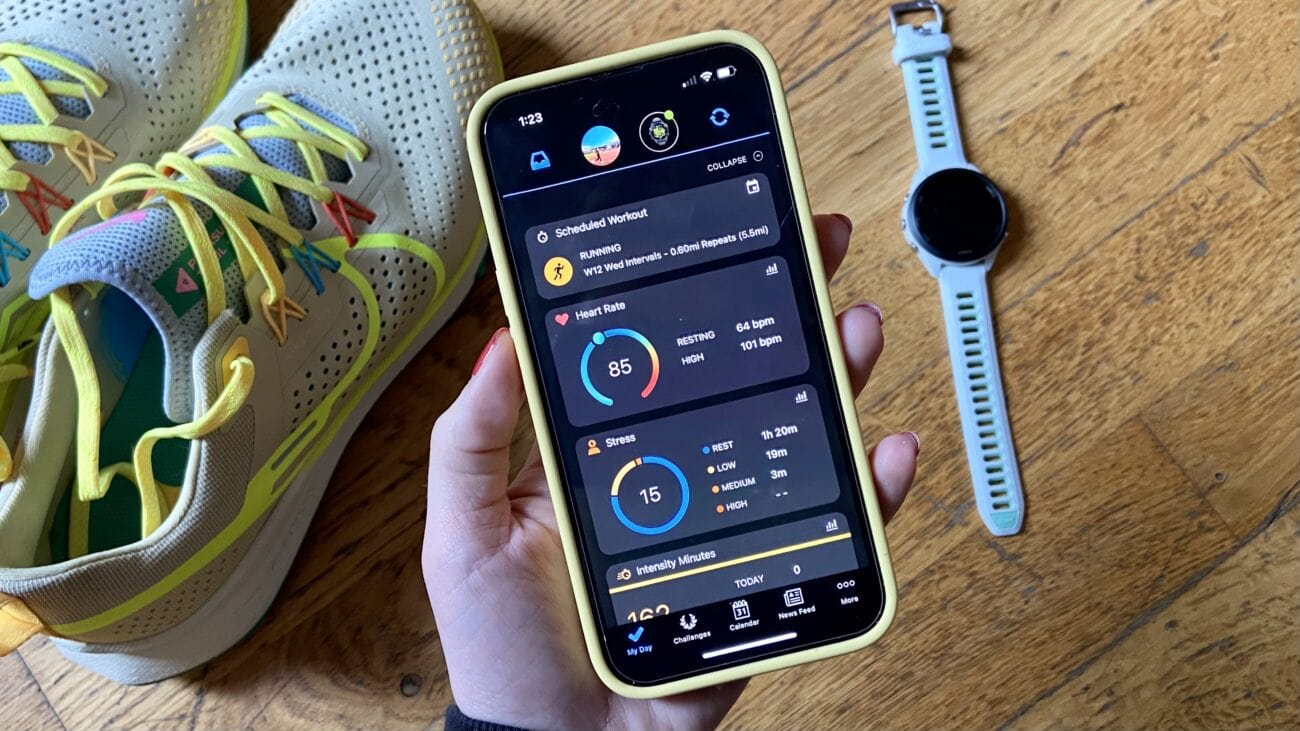
Garmin’s developer page explains it this way: “All commercial uses of Garmin device-sourced data that is shared, exported or transmitted beyond an application must include a Garmin attribution… It is the developer’s responsibility to enforce downstream attribution in systems beyond its control.”
That puts the onus not only on Strava but also on the ecosystem around it. Developers who rely on Strava data will now have to identify which activities came from Garmin devices and display appropriate credit, or risk falling out of compliance.
It’s a messy situation, and one that highlights how dependent fitness platforms have become on each other’s data. For Strava, enforcing Garmin’s branding rules within its own API terms could be seen as an admission that it doesn’t hold all the power it once did.
While Strava CEO Michael Martin told The Financial Times earlier this year that the company still plans to go public “at some point,” this public clash with Garmin has underscored how fragile those partnerships can be.
For now, it looks like the orange app is choosing pragmatism over pride. Come November 1, Garmin’s logo will likely start appearing in Strava feeds, a small but symbolic sign of how the balance of power in the fitness data world might be shifting.
RunClub
Get more running stories — join RunClub
Daily running news, a community of 300,000+ runners, free training plans for every distance, and a daily running game. Free to join — no card.
Already a member? Log in →










Start the conversation