


Strava has introduced a new “For a Cause” activity tag that lets users tie any workout to a GoFundMe fundraiser. It’s a simple tool on the surface, but it lands at a moment when both companies are trying to expand how people use their platforms.
The partnership, announced November 13, connects Strava’s enormous activity feed to GoFundMe’s fundraising infrastructure.
Users can create a fundraiser, link their accounts, and have their logged miles automatically appear on the fundraiser page. When they post an activity, they can use the new tag, explain why they’re supporting a cause, and include a link for donations.
That’s the straightforward version.
What sits underneath is a set of motivations that make this collaboration more strategic than it might appear.
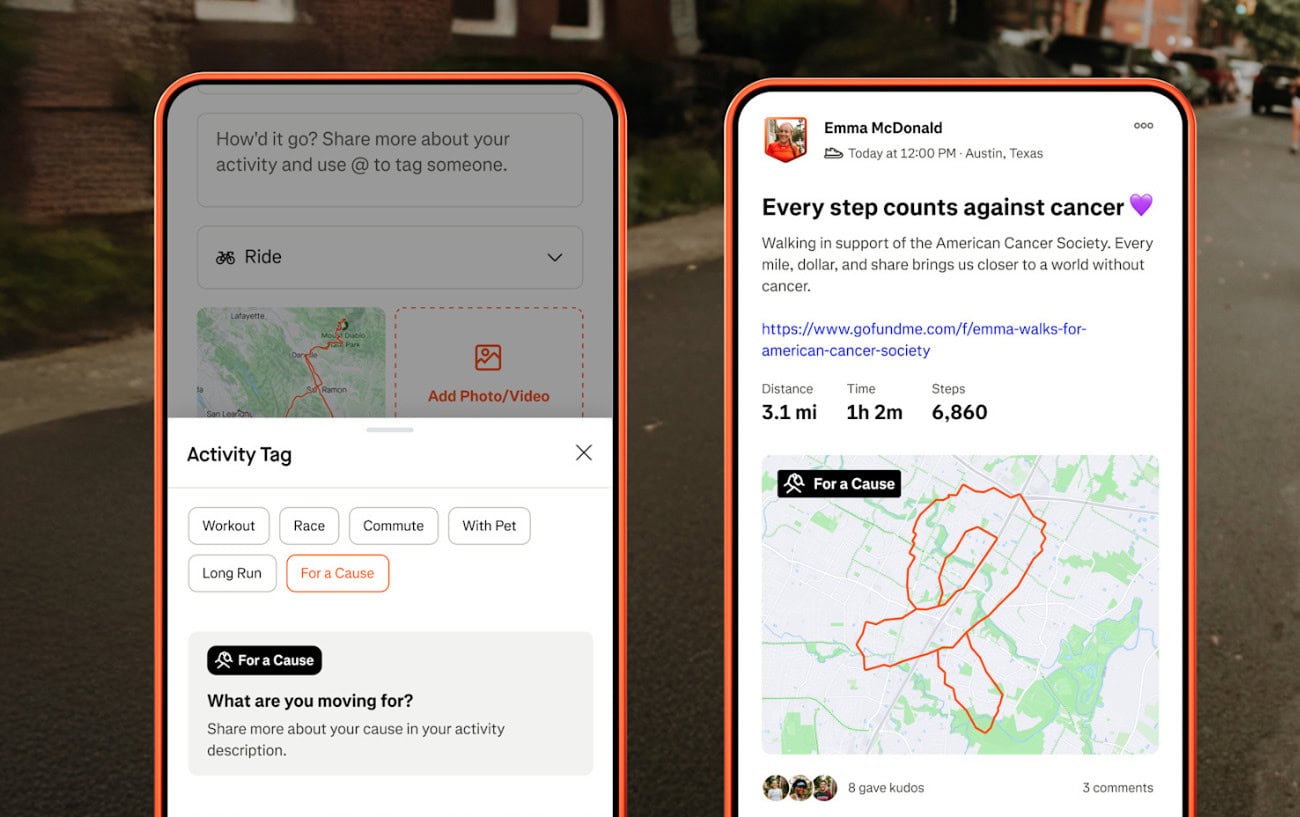
With the new setup, runners can start a GoFundMe campaign, connect it to their Strava account, and have each activity automatically appear on the fundraiser page. Posting with the “For a Cause” tag lets them add context and share a donation link without repeating the same explanation each time.
For charity runners training for major races, think Boston, Chicago, London, New York, that kind of efficiency matters. Fundraising isn’t just a race day gig; it happens over weeks of long runs and daily check-ins.
In New York alone, more than 11,000 charity runners raised over $50 million in 2023, according to New York Road Runners. Most of those donations came from small, steady contributions sparked by people following along with training.
Why Now?
Strava has more than 180 million users and remains one of the strongest social networks built entirely around behavior rather than content creation. But like all platforms of its size, it needs to keep users engaged and justify its subscription model.
Features that pull users into long-term patterns tend to stick: commuting logs, monthly challenges, run streaks. A fundraising component gives people another reason to continue logging activities and sharing them publicly.
It also gives Strava a more visible role in the broader “purpose-driven fitness” category, which includes everything from charity marathons to month-long challenges like Movember.
There’s a financial angle too.
The company is preparing for a possible IPO in 2026, and steady, meaningful user engagement is part of the story it needs to tell investors. While Strava doesn’t profit from donations, features that increase posting and account connectivity strengthen the platform’s position ahead of going public.
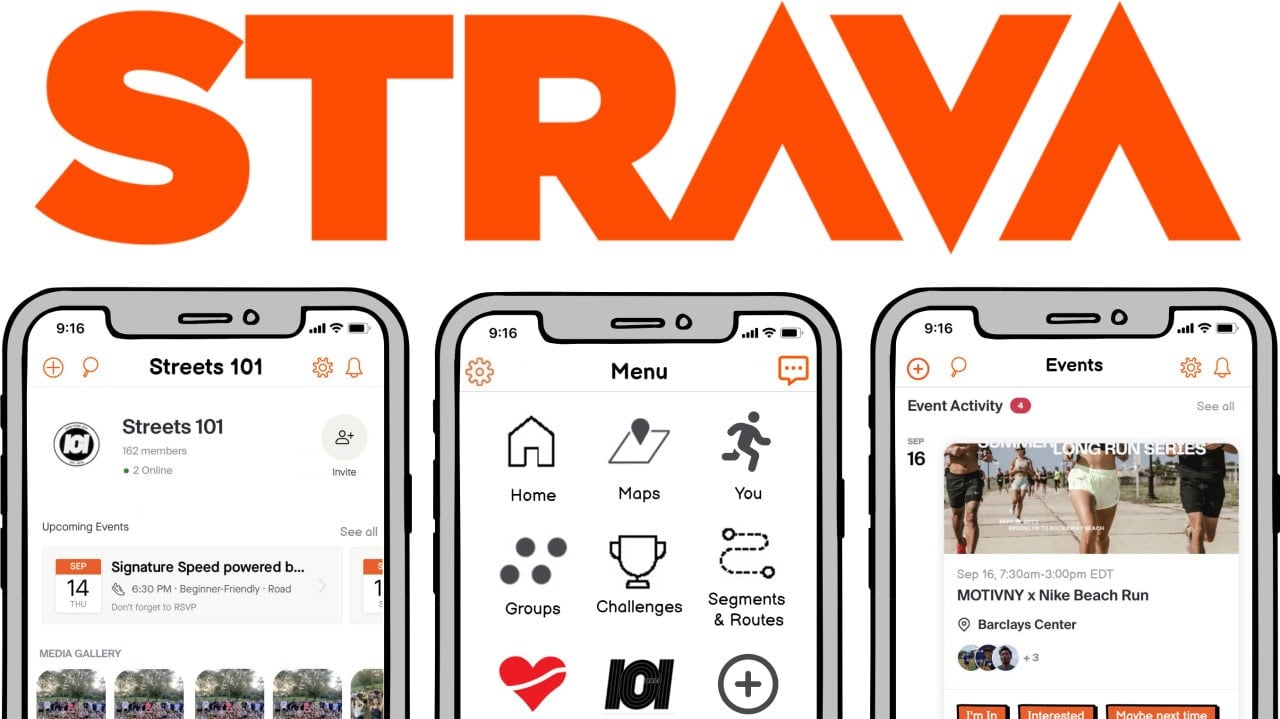
The launch comes shortly after Strava acquired the AI coaching startup Runna, another sign the company is broadening what users can do inside the app rather than relying on pure activity tracking.

For GoFundMe, the benefit is direct: new fundraisers, more visibility, and potentially more donations.
The company has already enabled more than $40 billion in crowdfunding, but like all fundraising platforms, it relies heavily on shareability. Strava posts offer a built-in, repeated prompt, not just a one-time social share, but an ongoing stream of activity that keeps a fundraiser in front of supporters.
And the data supports the bet.
A 2023 study found that donors are more likely to give when they see someone taking on a physical challenge as part of the fundraising effort. Strava, with its endless feed of workouts, codifies that effort without forcing users to manually update anyone.
And there’s the timing.
The rollout coincides with the start of year-end giving season, one of the most important periods for nonprofit fundraising.
Giving in the U.S. dipped in 2022 and 2023, and nonprofits have increasingly leaned on peer-to-peer platforms where small donations add up. Strava offers access to millions of people who already share their daily habits publicly.
For everyday runners, the advantages are simple: less copy-pasting, fewer logistical hurdles, and a straightforward way to show the effort behind a fundraiser. Training already generates a natural stream of updates. Now those updates can carry a donation link without extra work.
It won’t replace traditional charity programs or the personal effort runners put into fundraising, but it fits cleanly into how people already use Strava during a marathon build. If your miles are supporting a cause this season, the feature makes it easier to let supporters follow along — and easier for them to act when they do.
RunClub
Get more running stories — join RunClub
Daily running news, a community of 300,000+ runners, free training plans for every distance, and a daily running game. Free to join — no card.
Already a member? Log in →









Start the conversation