


Strava’s short-lived legal war against Garmin is officially over. Just 21 days after filing a patent infringement lawsuit that raised eyebrows across the tech and endurance sports world, the social fitness platform has abruptly dropped the case, and offered no explanation.
The filing, submitted Tuesday in a U.S. District Court in Colorado, was just a single line: Strava “voluntarily dismisses the above-captioned action, without prejudice.”
That’s legal speak for: never mind, we’re walking away, and we’re leaving the door open to try again later.
But the damage may already be done.
A Miscalculated Strike
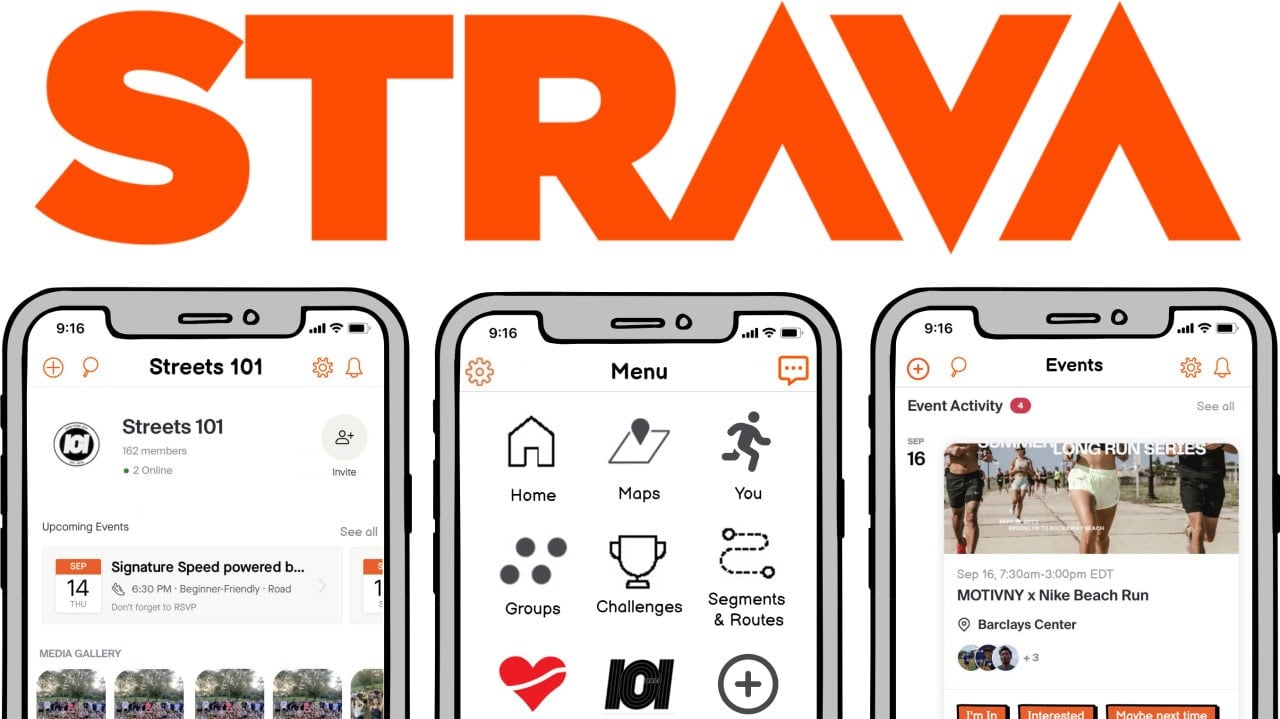
The lawsuit, filed on September 30, accused Garmin of infringing on two patents tied to Strava’s core features, Segments and heatmaps. Strava had asked the court to block sales of Garmin devices that used these tools, which would’ve included virtually all of Garmin’s smartwatches and cycling computers.
The case was surprising not just for its timing but for the target. Garmin is Strava’s largest data partner and, arguably, its most important one. Millions of Garmin users sync workouts to Strava every day, and those uploads drive much of Strava’s route intelligence, user engagement, and, crucially, paid subscriptions.
Why pick a fight with the partner keeping your platform afloat?
Some speculated it was a strategic move ahead of Strava’s rumored 2026 IPO, a play to demonstrate that the company has valuable intellectual property it’s willing to defend. But if this was about flexing legal muscle, it backfired badly. Not only did Strava’s claims seem shaky, especially on the heatmap side, but any actual courtroom battle risked getting Strava’s patents invalidated altogether.

The Garmin Factor
Perhaps most baffling was Strava’s apparent underestimation of Garmin’s legal resilience. Garmin has a long history of defending itself aggressively in patent disputes, and winning. It also owns a vast portfolio of its own patents, which could’ve easily been weaponized in a countersuit.
Instead of backing down or offering a settlement, Garmin said nothing publicly. The only filing it made during the entire 21-day episode was to officially name its legal team, on the same day Strava dropped the case.
Behind the scenes, it seems likely Garmin made its position crystal clear, keep this up, and we’ll bury you in court.
This wasn’t just about protecting IP.
Just a week before Strava filed its complaint, Garmin had already been hit with another infringement lawsuit, this one from Suunto. The last thing Garmin needed was to signal weakness. Letting Strava walk away, without a win, without even a whimper, sends a message, we don’t settle. Especially not with close partners who turn on us.
Fallout
So what did Strava actually achieve?
If the goal was attention ahead of an IPO, the company got it, but for all the wrong reasons. The lawsuit raised concerns not about the strength of Strava’s technology, but about the judgment of its leadership. And it cost them their most critical industry relationship in the process.
The timing also coincides with Garmin deepening its integration with Komoot, a key Strava rival in route planning and discovery. Garmin now promotes Komoot as the default mapping partner for new users, a spot Strava used to occupy.
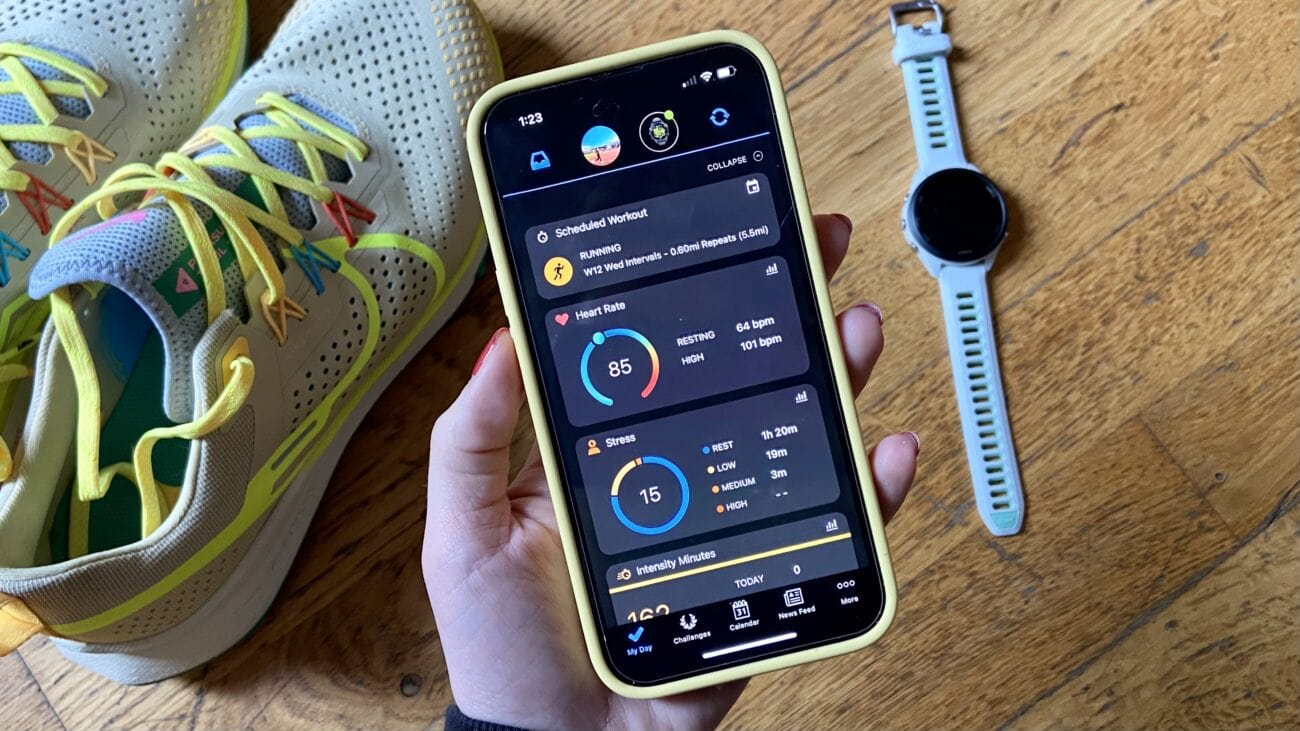
It’s hard to overstate how damaging this could be. Garmin devices, especially watches, dominate in the running space, which remains Strava’s most active user base. Losing visibility there could seriously hurt user growth and retention, especially as Strava continues to hike subscription prices and faces growing user frustration.
The company also burned goodwill with its core community.
After the lawsuit went public, Strava’s Chief Product Officer Matt Salazar took to Reddit to explain that the dispute was actually about new API guidelines Garmin had introduced, not just the patents. But that rationale never appeared in the actual court filing, and Garmin didn’t engage publicly.
The post came off more like damage control than a genuine attempt at transparency.

Where Things Stand
Right now, it’s unclear whether Strava will be forced to comply with Garmin’s developer guidelines, one of the original sticking points, or whether the companies have made any behind-the-scenes deal. What is clear is that Garmin is already moving on.
As for Strava, it now faces the dual challenge of preparing for a public offering while managing the fallout of an avoidable crisis, one that called into question its leadership, alienated its most important partner, and didn’t even produce a symbolic win.
Strava might argue that time heals all wounds, and maybe it does. But Garmin is a company where senior leadership often stays for decades. They remember who had their back, and who didn’t.
This wasn’t just a burned bridge, it was a self-inflicted detonation.
RunClub — Free
Join 300,000+ runners in RunClub
Free training plans for every distance, a daily running game, exclusive coaching content, and a real community of runners. Create your free account in 20 seconds — no card.
Already a member? Log in →











Start the conversation