


I can’t count how many times I’ve been ready to head out the door, already warmed up, only to realize I’m holding my phone, my keys, and maybe a gel, with nowhere to put any of it. It’s a small problem that instantly turns a simple run into an annoying puzzle.
And the confusing part is that it keeps happening because running shorts without pockets are still being made.
Running is supposed to be the low-maintenance part of my day. But pocketless shorts can turn it into a frustrating shuffle of phones, keys, and “where am I supposed to put this?”
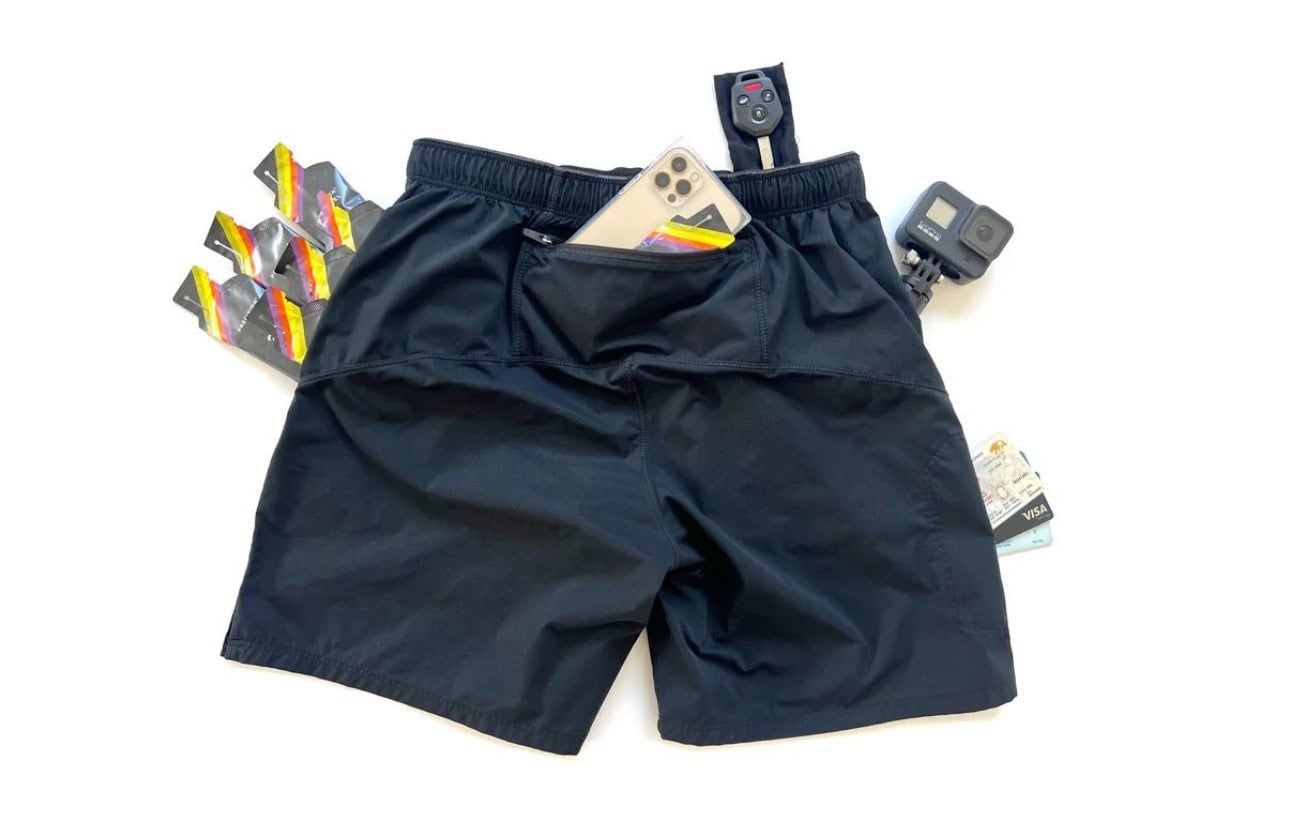
How We Ended Up With Shorts That Hold Nothing
Pocketless running shorts exist for historical and aesthetic reasons more than practical ones. Traditional racing shorts were designed to be minimal: light fabric, fewer seams, less material to move or rub. That logic made sense when most runners wore a watch and carried almost nothing.
But most runners don’t run like that anymore. Phones have become safety devices, music players, GPS trackers, and payment methods. Many people start runs from a workplace, a hotel, a trailhead, or a transit stop. Even a short jog can require carrying a key, an ID, or a card. Storage is no longer a “nice to have,” it’s basic functionality.
The people most impacted are everyday runners (aka, the huge middle of the sport) not the small slice racing in singlets on a track. Beginners often don’t own belts or vests yet. Women’s shorts are also more likely to have tiny or decorative pockets, or none at all. For anyone running early or after dark, being forced to leave a phone behind can feel like a safety issue, not just an inconvenience.
The Workarounds Runners Keep Settling For
The first solution is usually the simplest: just carry the phone. That works until it doesn’t. Hand-carrying changes arm swing, gets tiring, and can make a run feel clunky. Add sweat or rain, and it becomes stressful.
The next move is stuffing items into the waistband. It seems reasonable, and runners do it constantly. But waistbands aren’t designed to hold weight. Phones bounce. Shorts slip. If the waistband is tight enough to keep things stable, it can dig in.
Then there are the “this should be fine” fixes: clipping keys on, using tiny key pockets for phones, or jamming gels wherever they fit. These approaches often introduce new problems: chafing, noise, or the fear of something falling out mid-run.

What Actually Fixes the Problem
Treat pockets as a requirement, not a bonus
A pocket isn’t useful just because it exists. Many shorts include a small key pocket that functions more as a design detail than real storage. If your phone doesn’t fit or fits but moves constantly, it’s not solving the problem.
The shift comes when pocket design becomes a deciding factor, not an afterthought. If you carry a phone on most runs, the short needs to be built around that reality.
Pocket placement matters more than size
The most reliable phone pockets tend to sit either high on the back of the waistband or along the thigh. Both positions keep items close to the body, which limits bounce and distraction.
Loose pockets, especially those made from thin mesh, are more likely to slap with each stride. Zippers can help with security, but only if they’re soft-backed and placed away from high-friction areas.
Buy shorts for the runs you actually do
Many runners end up frustrated because they buy race-style shorts for everyday training. Minimal designs feel fast, but they’re built for running with nothing.
If you run before work, commute on foot, or do longer sessions, you’re going to carry something. Shorts that match your real routine tend to disappear once the run starts — which is exactly the point.
A simple two-setup approach that works
One practical solution is keeping two default setups:
- Pocketed shorts or half tights for most runs
- Minimal shorts paired with a belt for days when you want less fabric or need more capacity
This removes the pressure to find one perfect short for every situation.
Our picks: the shorts that finally worked for us
After trying dozens of options, these four stood out because they consistently carried what runners need — phones, keys, fuel — without creating new problems like bounce, irritation, or awkward fit.
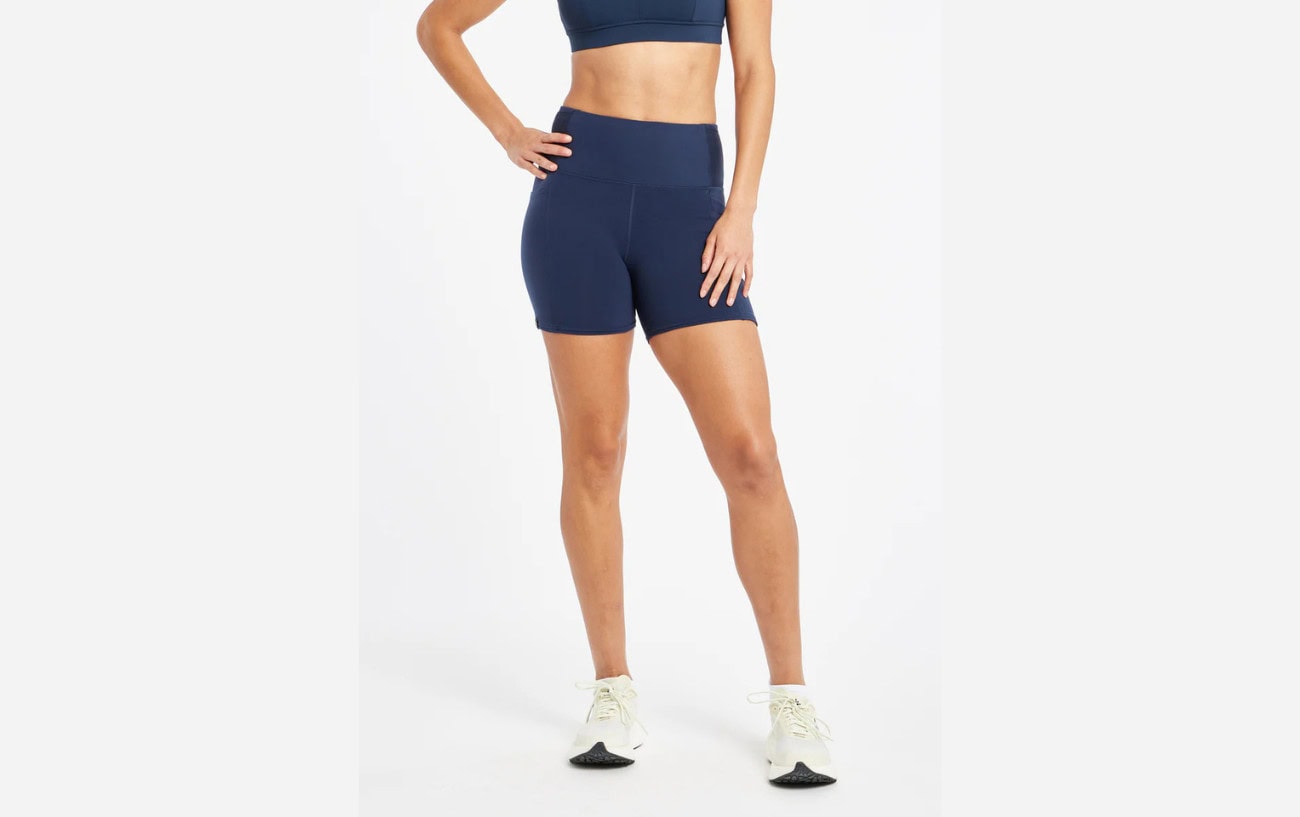
Oiselle Pocket Jogger Shorts
The Pocket Jogger Shorts from Oiselle have become a go-to for runs where I need real storage without a belt. The high waistband pocket lies flat against the lower back and holds a modern smartphone securely, even on bumpy paths. Side pockets are stretchy enough for keys or a small gel, and nothing slaps with each stride. They are slightly heavier than racing shorts, but the trade-off feels deliberate rather than clunky. For many runners, these hit the sweet spot between performance and practicality.
Shop Oiselle Pocket Jogger Shorts On Oiselle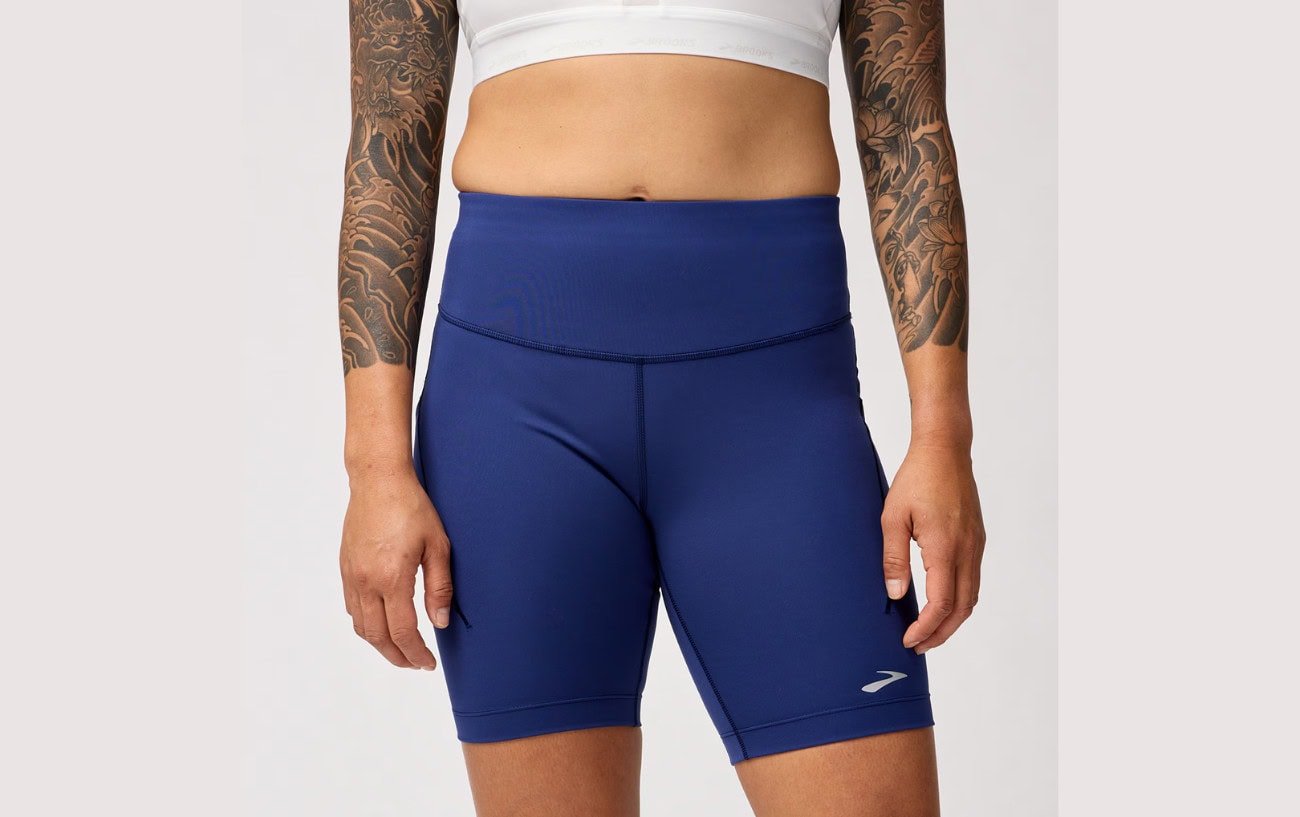
Brooks Women’s Spark 8” Short Tight
Brooks’s Spark 8” Short Tight blends compression support with surprisingly effective storage. The thigh pockets are deep and snug, which makes them one of the few tights that comfortably carry both a phone and a key without bounce.
On longer runs, the fabric feels more secure than separate belt solutions, and the build quality has held up over dozens of wash cycles. The only real downside is that they feel more like training gear than race gear — which is fine most of the time, but not ideal if you want the lightest-possible kit for a fast workout.
Shop Brooks Women’s Spark 8” Short Tight On Brooks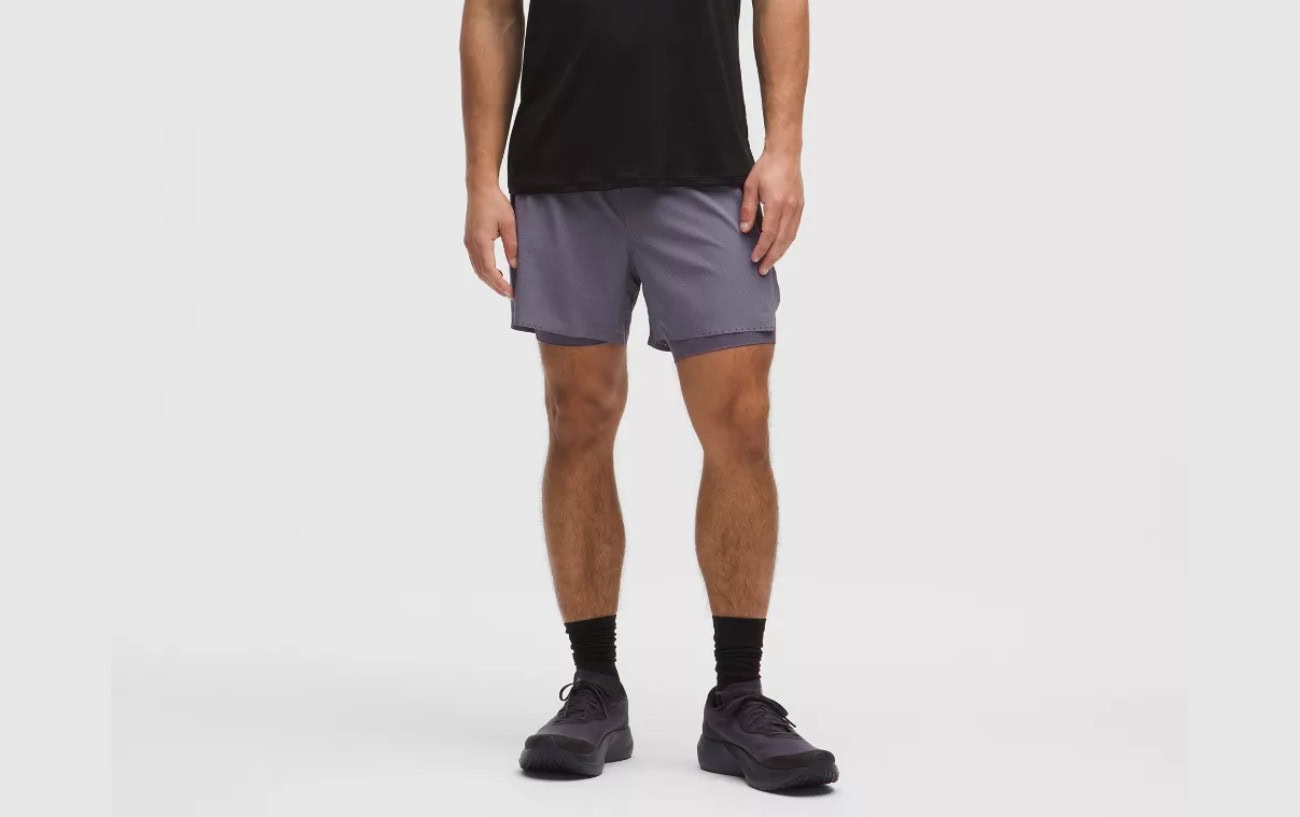
Lululemon Fast and Free Lined Running Short 5”
The Fast and Free Lined Short from lululemon gets the pocket placement right for everyday runners. The hidden waistband pocket sits high and tight, and can accommodate phones up to the latest sizes without shifting. There’s also a small zip pocket for keys or cards. The liner adds a layer of confidence, and the material stays soft without stretching out. These aren’t cheap, but for runners who nearly always carry a phone and fuel, they have become a reliable baseline choice.
Shop Lululemon Fast and Free Lined Running Short 5” On Lululemon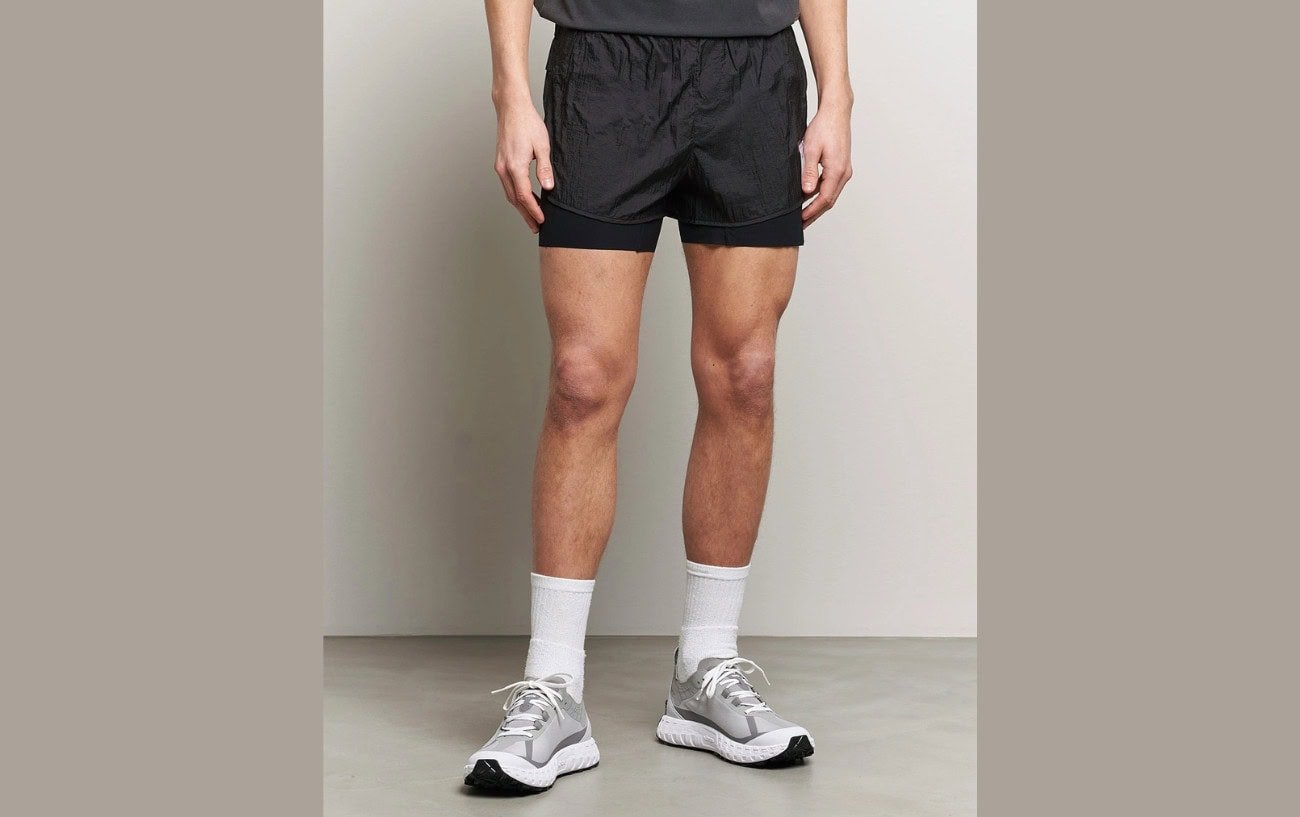
Satisfy Rippy 3” Trail Shorts
For trail runners or anyone who wants pockets and rugged versatility, the Satisfy Rippy 3” Trail Shorts are hard to beat. They combine lightweight performance fabric with long, vertical side pockets that actually work — phones stay in place, and there’s room for small essentials too. The cut is a bit more relaxed than typical road running shorts, which helps on technical terrain but might feel loose on smooth asphalt. Still, if everyday runs take you off-road or you just like having gear close at hand, they’re one of the few trail shorts that handle storage without a belt.
Shop Satisfy Rippy 3” Trail Shorts On SatisfyFit and fabric still make or break everything
Even the best pocket fails if the short doesn’t fit. A slipping waistband or fabric that stretches out over time will bring bounce back into the picture.
Compression panels, firmer waistbands, and reinforced stitching tend to handle weight better over the long term.
How to Tell if a Pair of Shorts Will Actually Work
- Decide what you carry on a typical run — phone, keys, card, fuel.
- Put those items into the pocket before buying.
- Jog in place for 20–30 seconds to test bounce.
- Check whether you can access the pocket without stopping.
- Look for zippers or seams that might rub over longer distances.
- Build a two-setup system so you’re never stuck without storage.
- After your first real run, ask whether you noticed the pocket at all.
What Changes Once You Get This Right
On the first few runs with a stable pocket setup, the biggest change is mental. You stop adjusting, checking, and worrying. The run feels smoother because nothing is pulling your attention away from it.
Over time, runners also report fewer small irritations — less chafing, less shoulder tension from carrying, and fewer pre-run delays. The right shorts don’t make you faster. They just remove one of the unnecessary obstacles that shouldn’t be there in the first place.
RunClub — Free
Join 300,000+ runners in RunClub
Free training plans for every distance, a daily running game, exclusive coaching content, and a real community of runners. Create your free account in 20 seconds — no card.
Already a member? Log in →






Start the conversation