


We had a simple question: if cyclists live on Strava, do footballers? So we did the boring, thorough thing and checked all of them. Every one of the 1,248 players at the 2026 World Cup, all 48 squads of 26, run through Strava’s athlete search from a logged-in session, then filtered and inspected by hand.
The answer is almost comically lopsided. Of 1,248 players, the number with a genuine, verifiable, active Strava presence is two. And even that is generous.
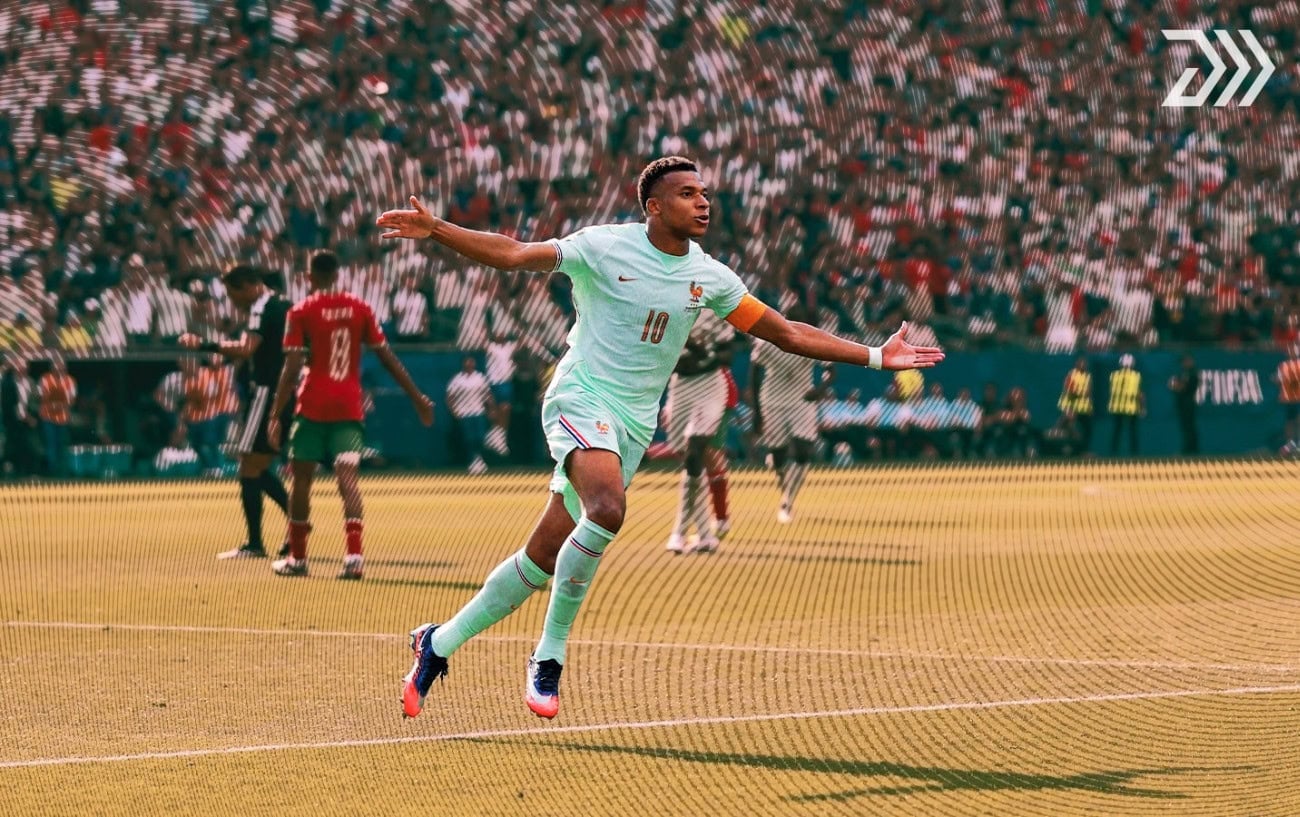
The Search, By The Numbers
The scripted search turned up 2,893 name-matching accounts with activity, which sounds like a lot until you start opening them. Only 20 log any football at all. Four carry Strava’s verified-athlete badge, and all four are namesakes from other sports: a sailor, a triathlete, and two cyclists who happen to share a name with a World Cup player. When the dust settled, just two accounts belonged to actual tournament players.
That works out to a 0.16 percent verified rate. For contrast, when we ran the same exercise on the Tour de France peloton, roughly 80 percent of riders were on the platform. Two sports, opposite universes.
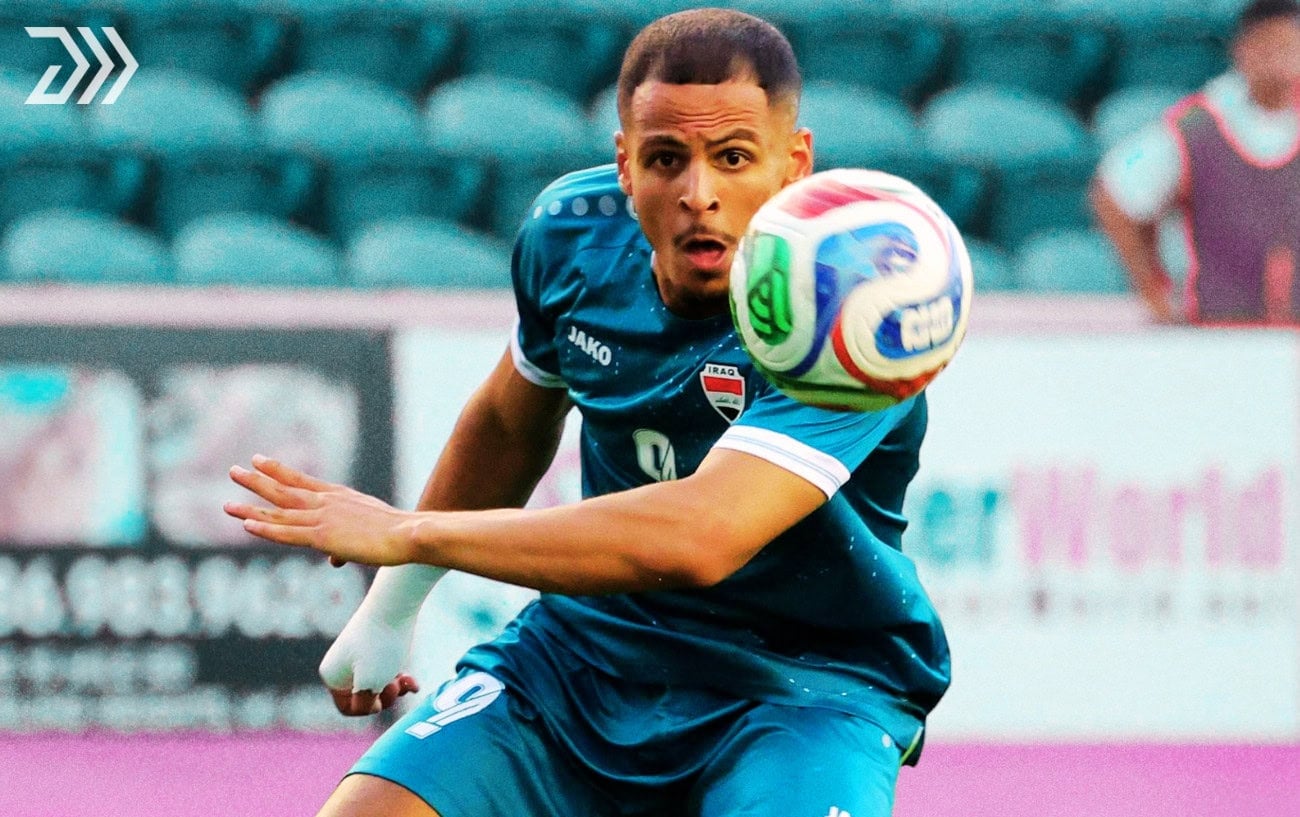
The Only Real One: Ali Al-Hamadi
Iraq’s Ali Al-Hamadi is the single World Cup player with a substantive, checkable Strava. The identity signals all line up: Swansea City in his clubs list, a monogram avatar, and, tellingly, his entire training life auto-synced from a WHOOP band, “Morning Football (Soccer)” sessions complete with strain and heart-rate data. He’s logged 697 activities, including 71 runs totalling 240.5 km and 593 football sessions.
His 5K best reads 18:33, plausible for a pro striker, though football accounts are notorious for polluted best-effort tables (his “1 mile in 3:45” is an in-match GPS burst, not a track time). And here’s the giveaway detail: he stopped uploading in December 2025, right as World Cup prep ramped up. If you forced us to name the fastest verifiable runner at the World Cup, it’s Al-Hamadi at roughly 18:33, asterisks and all.
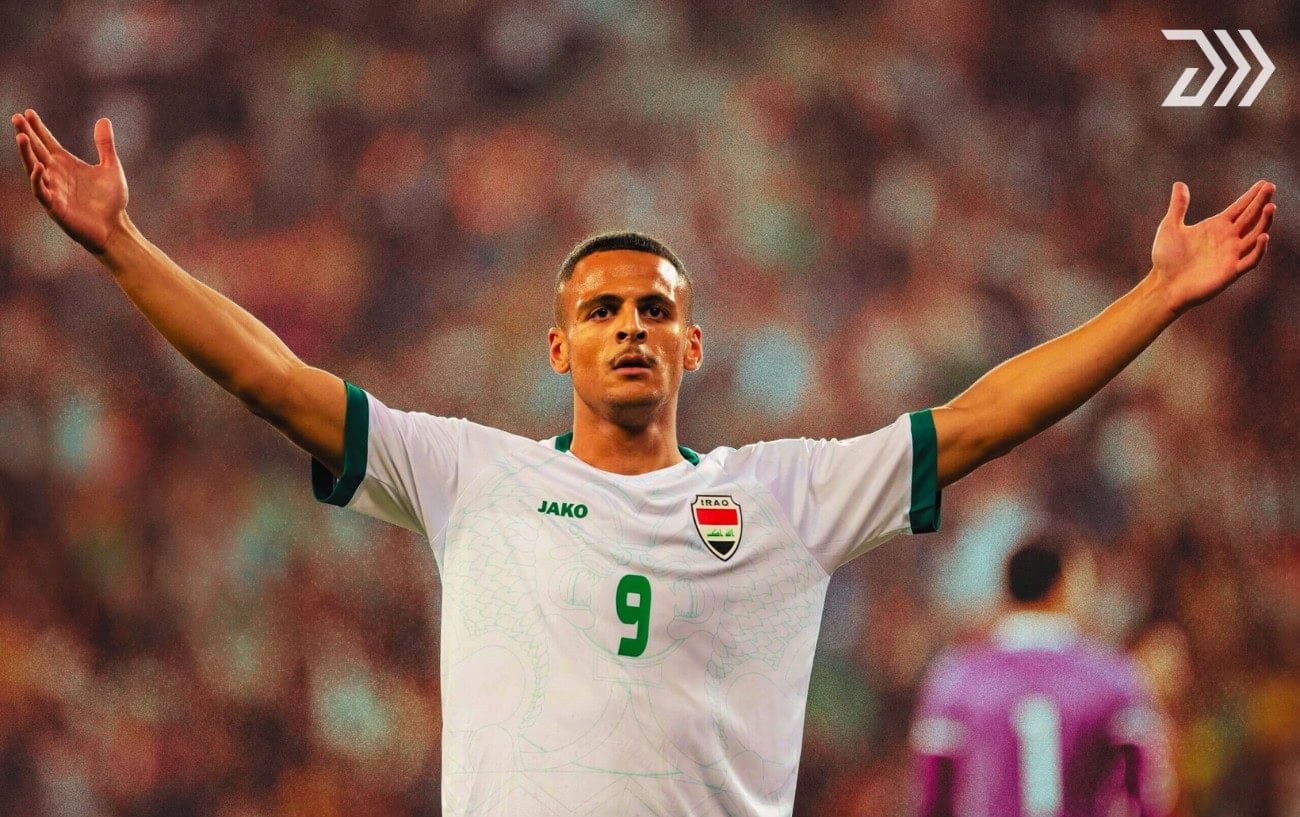
The Other One Is A Ghost
The second confirmed account belongs to Belgium’s right-back Joaquin Seys, and it’s essentially a time capsule. Profile photo in Club Brugge kit, member of the academy’s “U16 Club NXT” group, activities logged from his West Flanders hometown on an old Polar watch. As a teenager he was a genuinely consistent runner, 168 runs, including a clean 8.9 km at 4:55/km. Then he turned pro and went dark. His last upload was May 2024.
Why There Isn’t More
The traps in a search like this are namesakes, and they’re everywhere: a “Kylian Mbappé” lifting weights in Catalonia, a “Raphinha” racing road 10Ks in Rio with the bib photos to prove it, a “Rafael Leão” in São Paulo. Strip those out and the pattern is undeniable, and it matches what we found in our smaller sample study: professional footballers are functionally absent from public fitness feeds.
It isn’t that they don’t generate the data. Every player wears a GPS tracker daily; the numbers are some of the most detailed in sport. They just belong to the clubs, locked in performance departments, not posted to a public feed. Cycling’s stars fight each other for Strava segment crowns in full view. Football’s stars have, quite literally, never shown you a single run.
That’s the real finding of the census. Two sports, one obsessively public about its training and one that treats it as a state secret, and 1,248 names to prove it.
RunClub
Get more running stories — join RunClub
Daily running news, a community of 300,000+ runners, free training plans for every distance, and a daily running game. Free to join — no card.
Already a member? Log in →



Start the conversation