


Zara has never been shy about chasing a trend. The Spanish retail giant built an empire by getting clothes from runway to rack in under 15 days. Now it has set its sights on a different kind of runner — the kind caked in mud, smelling of pine, and absolutely certain that their gear choices say something meaningful about their character.
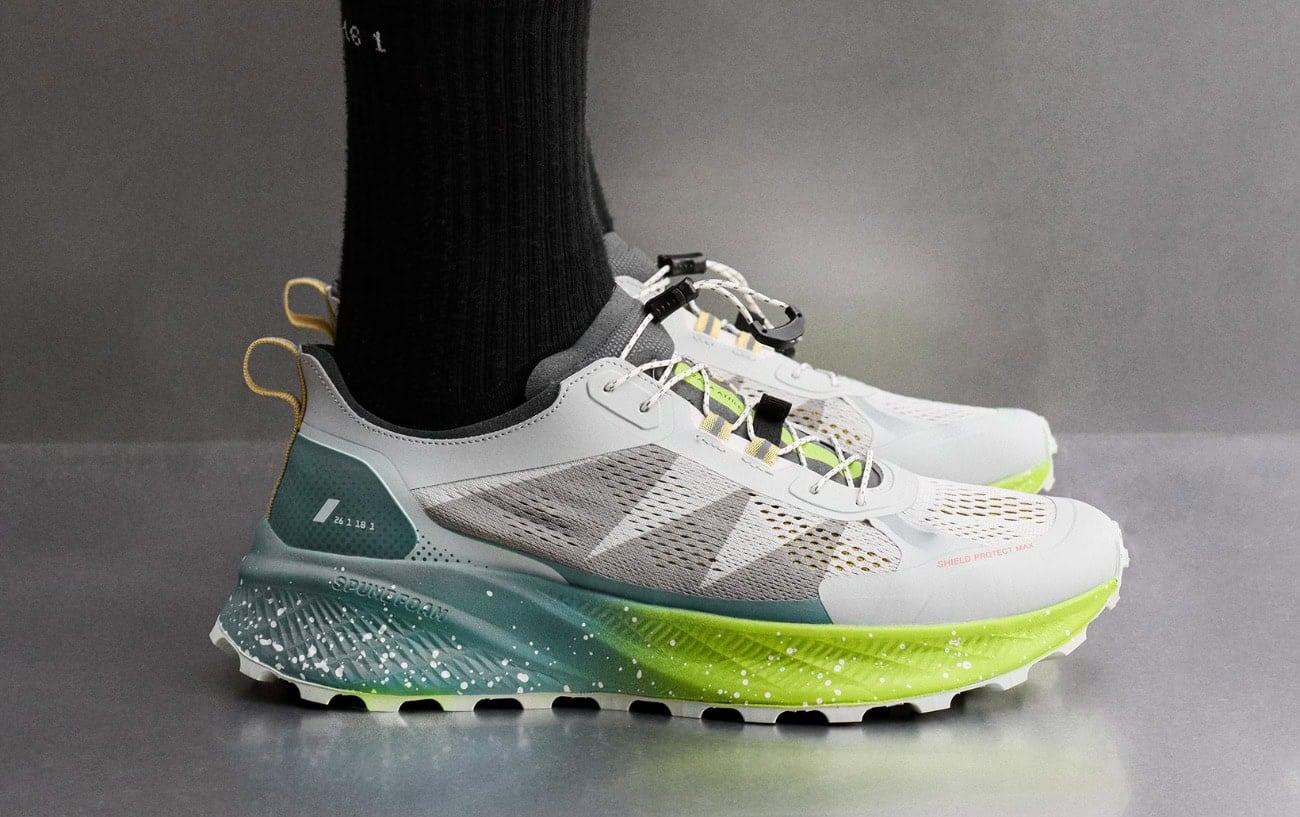
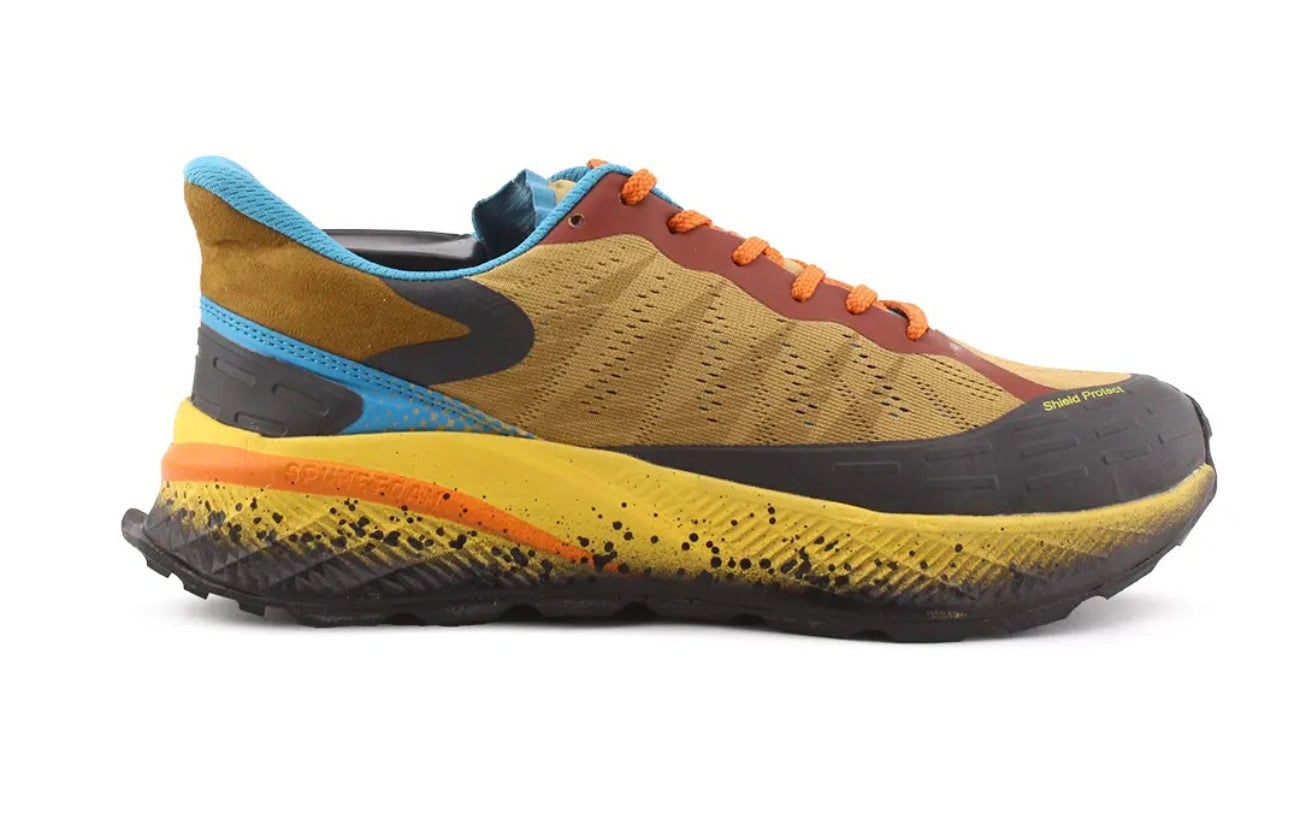
Through its Zara Athleticz sportswear label, the company has rolled out a dedicated trail running line: technical shorts, breathable tops, a functional trail vest, and trail-specific sneakers. Most recently, it dropped a carbon-plated “Long-Distance Running Sneaker” — the same performance technology you’d find in shoes from Nike, Adidas, and Asics — priced at $169, well below the $270 to $300 you’d normally have to hand over for something with a carbon plate in it.
The moves have sparked a genuine debate inside the trail and road running communities, raising uncomfortable questions about accessibility, sustainability, and what it means when the world’s biggest fast-fashion retailer decides it wants a piece of a market that prides itself on being anything but fast.

A Market Worth Chasing
Here’s the thing: it is very hard to blame Zara for noticing. Trail running has exploded in popularity, and the numbers are frankly ridiculous. The International Trail Running Association counts more than 2 million runners competing in trail races globally, and the trail running shoes market alone is estimated to be worth between $8.7 and $9 billion in 2025. Analysts think it could hit nearly $15 billion by 2033.
Participation is climbing too. The Sports and Fitness Industry Association counted roughly 51 million people running and jogging in 2024, up from 48 million the year before. Women are driving much of the growth specifically in trail — women’s trail gear purchases have risen 42% in recent years.
For a company the size of Inditex — Zara’s parent — watching billions of dollars flow toward a market it doesn’t own yet is not something that tends to go unnoticed for long.
The Hire That Ignited the Debate
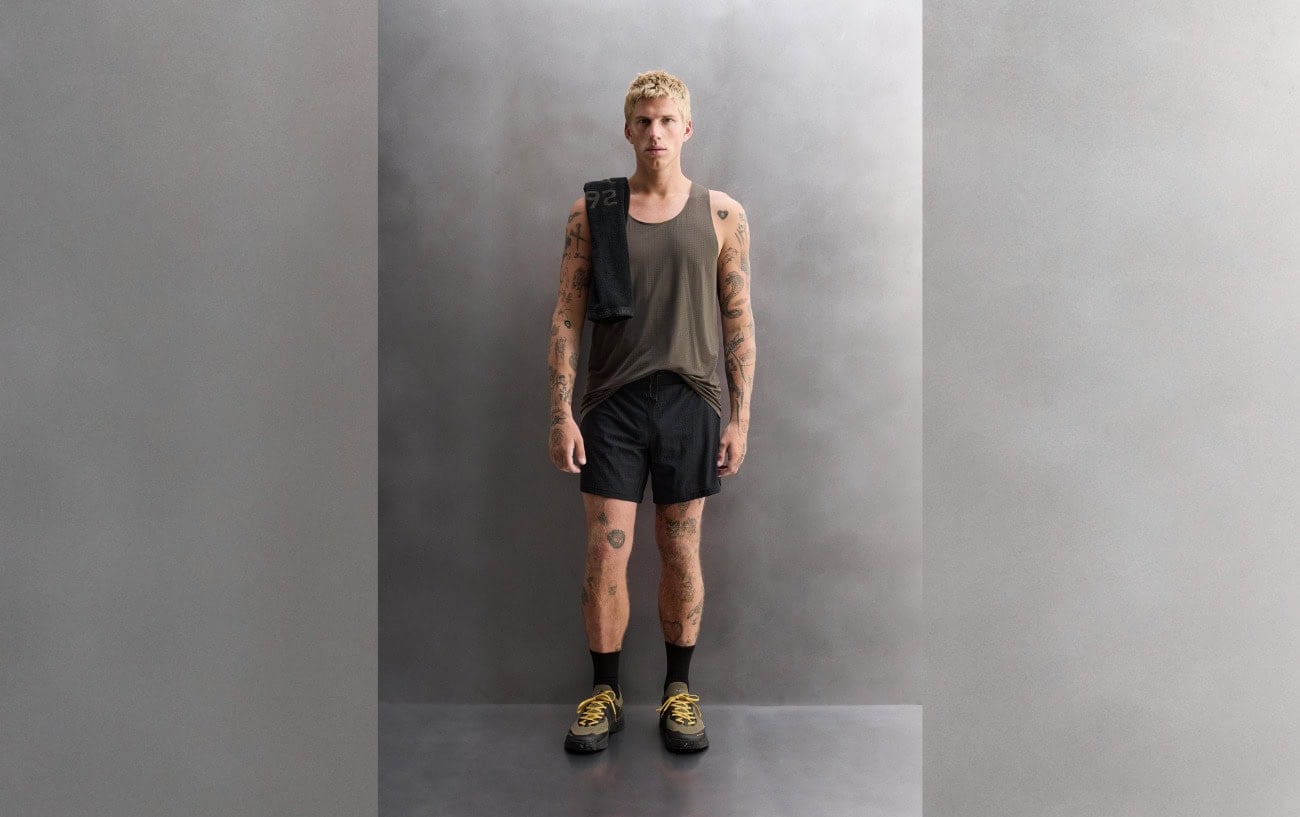
Zara did not tiptoe into the trail space. It made an entrance. The company hired Patrick Stangbye — Norwegian ultramarathon runner, former creative director of ROA Hiking, and a genuinely respected figure in trail running culture — as the new “curator” of Zara Athleticz.
This was not a hire anyone saw coming. ROA is the kind of brand that trail runners and outdoor enthusiasts actually respect, built on considered design rather than volume. Stangbye was not someone expected to show up on Inditex’s payroll.
The Instagram comments, predictably, lit up. Critics accused Stangbye of selling out. One person put it with particular economy: “The great outdoors brought to you by the petrochemicals industry.” Others were more measured, pointing out that if Zara is going to make trail gear regardless, having someone who actually cares about the craft in the room might be better than the alternative.
Stangbye himself pushed back on the criticism plainly. “If you want to see change, you sometimes need to participate,” he said. It’s a reasonable point. Whether Inditex lets him actually change anything is, of course, a different question entirely.
The Carbon Shoe That Got Everyone Talking
The trail collection is one thing. But it was the carbon-plated road shoe that really set the running internet on fire.
A single thread about it on r/running pulled more than 2,000 comments within 24 hours. On LinkedIn, professionals from the running shoe industry largely panned it. The basic reaction could be summarized as: you can put a carbon plate in it, but that doesn’t make it a super shoe.
On paper, the specs look fine. A 39mm stack height, 8mm drop, breathable knitted upper, carbon plate in the midsole. At $169, it undercuts the Asics Metaspeed Sky by about $100 and the Nike Alphafly 3 by more than $130. That price point is genuinely eye-catching.
In practice, reviewers found the gap between the specs and the experience pretty stark. The shoe comes in at 297 grams in size EU 45 — heavier than both the Nike Vaporfly 3 (238g) and the Adidas Adios Pro 3 (250g). That weight matters. One tester described the feel as “a firmer ride on a very firm foam that gives back almost nothing of the effort you put into it.” The carbon plate, in other words, is doing the right job in the wrong environment. For a full breakdown of how the best carbon shoes actually perform, see our roundup of the best carbon plate running shoes.
There’s also a safety angle that gets less attention than it should. Carbon-plated shoes amplify whatever is happening in your stride — the good and the bad. An experienced runner with solid mechanics can take advantage of that. A newer runner, lured in by a $169 price tag and the promise of supershoe technology, might find themselves dealing with something their body isn’t ready for. Injuries don’t care how good the deal was.
To be fair, Zara isn’t the first brand to take this swing. This isn’t entirely new territory — Fila was experimenting with carbon plate technology long before it became mainstream, and Decathlon got there first with budget carbon racers. But Decathlon doesn’t have Zara’s cultural reach or retail footprint, so this one landed louder.
The Sustainability Problem Nobody Wants to Talk About
Here is where things get genuinely thorny — and where trail runners in particular have every right to bristle.
Trail running is not just a sport. For a lot of its participants, it is wrapped up in a particular set of values: leave no trace, protect wild spaces, tread lightly. Inviting the world’s most prolific fast-fashion company into that world feels, to many, like a contradiction that can’t be smoothed over by a good trail vest.
Inditex’s environmental record is not pretty. The company’s transport-related CO₂ emissions rose 37% in 2023, hitting an all-time high, according to Clean Clothes Campaign and Public Eye. The fast-fashion industry more broadly produces an estimated 92 million tons of textile waste per year and accounts for around 10% of global greenhouse gas emissions. And it’s worth noting that performance running shoes themselves already carry a significant environmental cost — carbon-plated super shoes are typically only durable for 150–200 miles, half the lifespan of a standard trainer.
Zara has made pledges. Inditex has committed to sourcing only organic, sustainable, or recycled materials across all its brands and has set science-based emissions targets. Sustainability watchdog Good On You rates Zara as “It’s a Start” — which is a polite way of saying the pledges exist and the evidence they’re working does not. Critics call it greenwashing, and given the emissions numbers trending in the wrong direction, it is hard to mount a strong defence against that charge.
For a runner who drives an hour to a trailhead specifically to spend time in a place that feels untouched, buying gear from a company whose supply chain is running in the opposite direction is at minimum a cognitive dissonance worth sitting with.

So What Do We Do With This?
The debate around Zara Athleticz isn’t really about shorts and vests. It’s about a tension that has been lurking in running for years: the gear that genuinely works tends to be expensive, which means the sport quietly excludes people who can’t afford it.
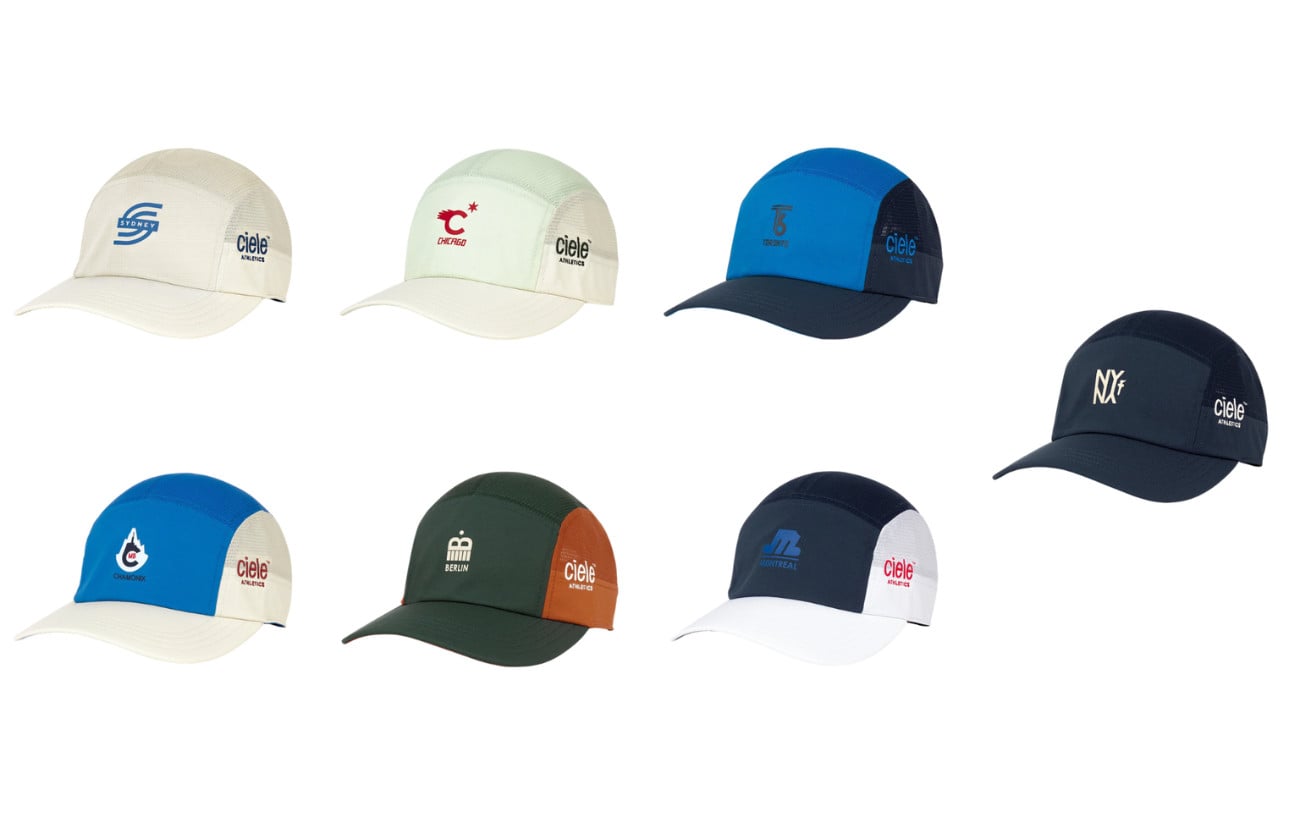
The specialist brands — Salomon, Hoka’s trail lines, the smaller boutique labels like Soar and Ciele — make genuinely excellent stuff. They also charge accordingly. If you want to see what proper trail-specific footwear looks like at various price points, our guide to the best trail running shoes covers the full range. If Zara can produce trail gear that holds up at a price point more people can actually reach, that’s not nothing.
The case for Stangbye being inside the tent rather than outside it is real. The case that a fast-fashion giant’s entry into trail running will eventually crowd out smaller, more principled brands and strip the community’s identity in the process — that’s real too. And if the science behind carbon plate technology is sound, making it accessible to more runners isn’t inherently a bad thing.
The trail running market will keep growing either way. The question is whether Zara ends up being a rising tide or just another thing to step around on the path.
RunClub
Get more running stories — join RunClub
Daily running news, a community of 300,000+ runners, free training plans for every distance, and a daily running game. Free to join — no card.
Already a member? Log in →





Start the conversation