


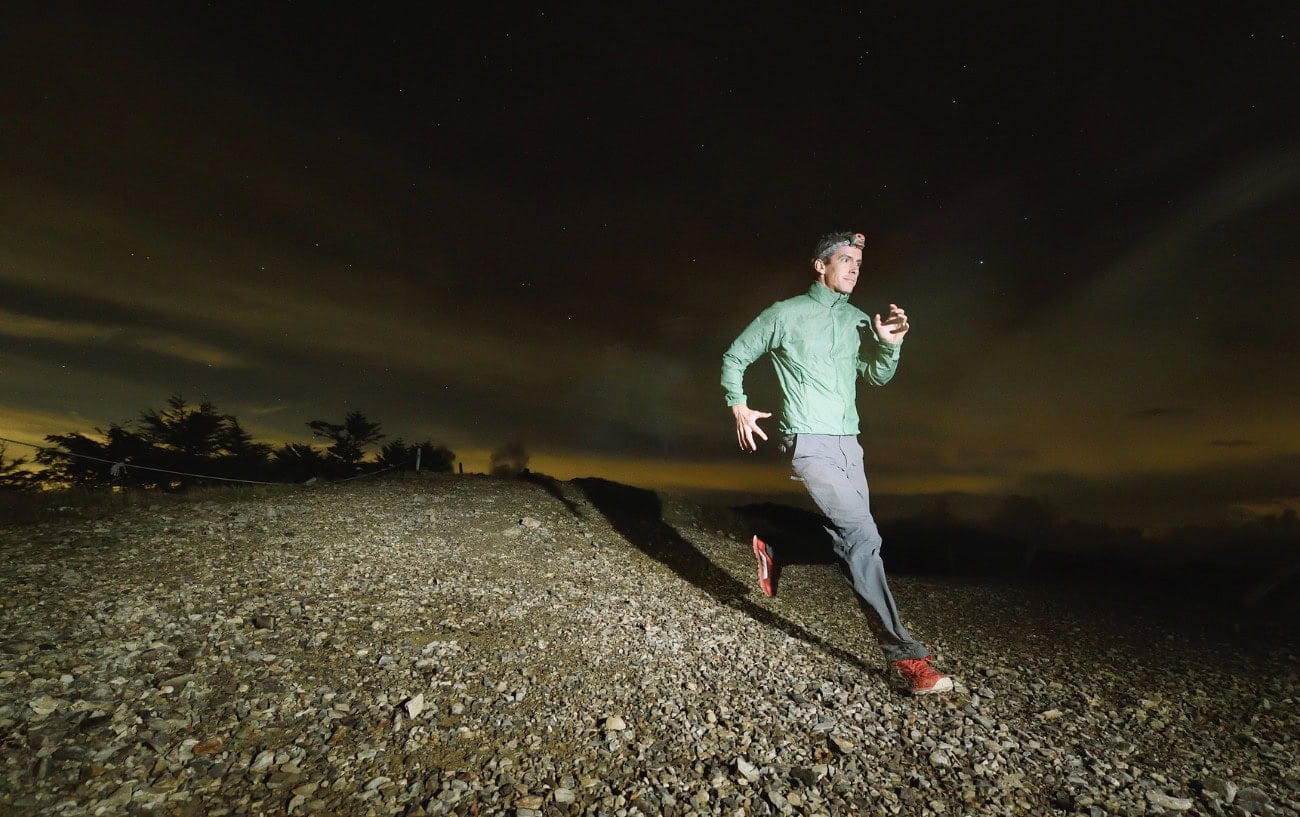
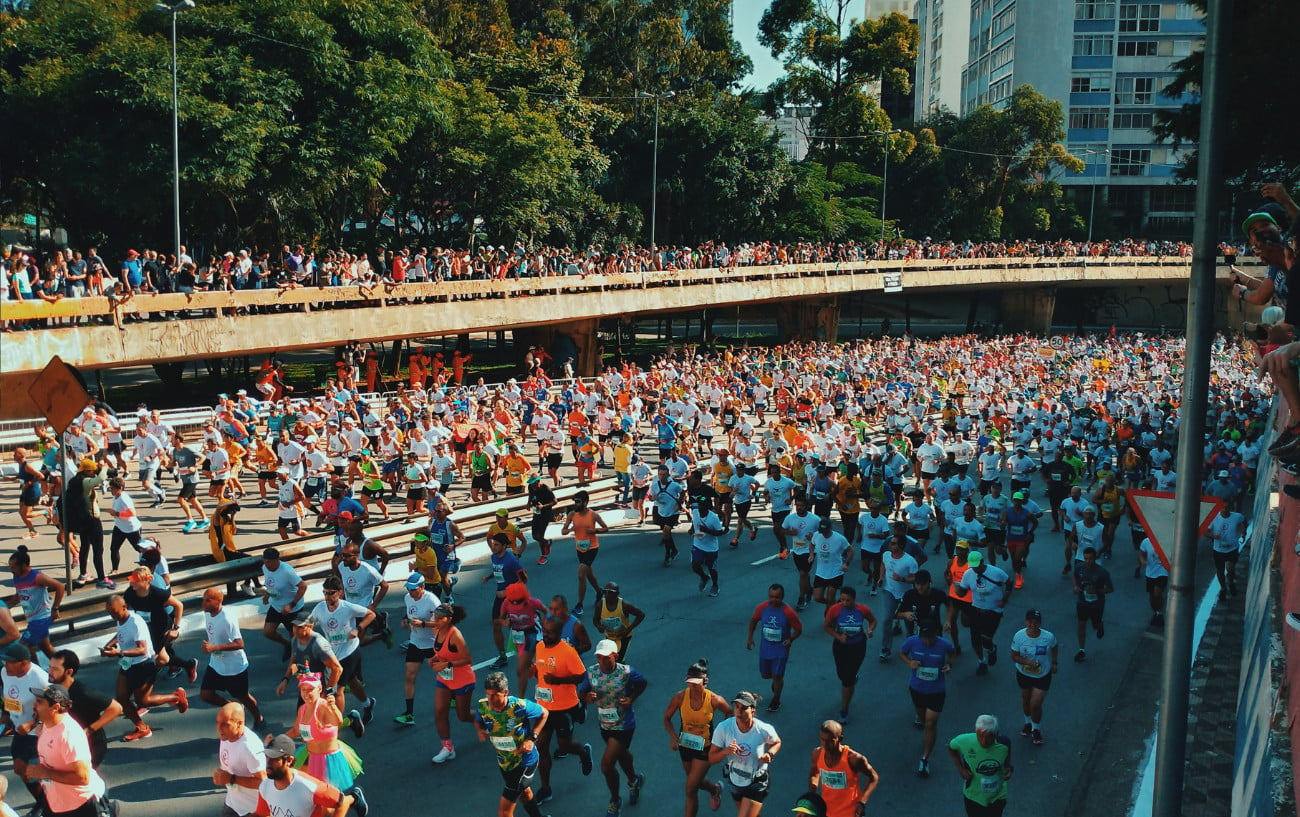
During a race that runs through the night, sleepiness and impaired vigilance both become issues. A new Sleep Medicine study followed 52 finishers of the 170-kilometer UTMB across the 2022–2024 races to see what short naps changed in the runners.1Redirecting. (2026). Elsevier.Com. https://linkinghub.elsevier.com/retrieve/pii/S1389945726003989
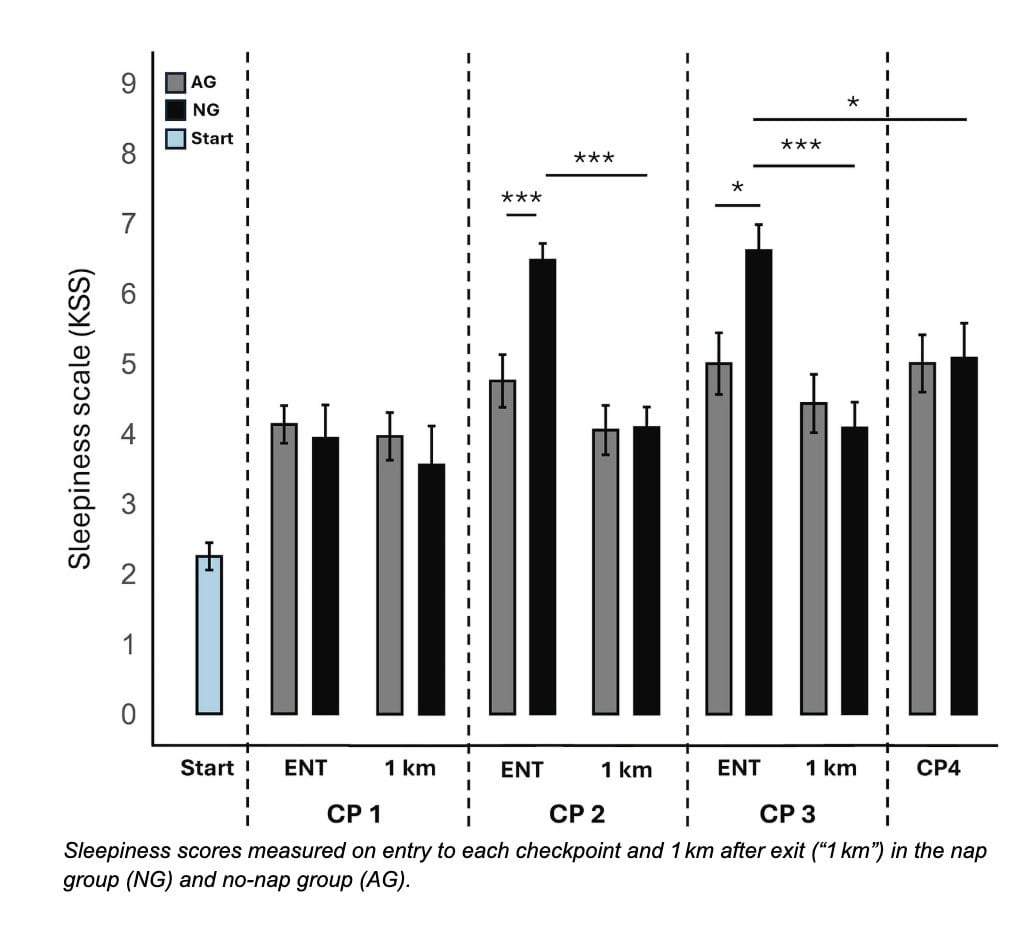
The runners wore wrist activity trackers and completed a sleepiness scale and a three-minute psychomotor-vigilance test at five checkpoints. At three mid-race checkpoints, they could choose a 20-minute sleep opportunity or remain awake. Across the race, finishers slept an average of 28.4 minutes.
- A nap reduced subjective sleepiness within one kilometer of leaving the checkpoint.
- Objective vigilance improved more slowly: faster reaction times appeared at subsequent checkpoints rather than immediately.
- Both outcomes also followed strong circadian patterns (changing based on time of day).
- The researchers found no overall compromise in completion time among nappers. They didn’t finish any slower because they decided to rest for 20 minutes.
What this means for runners
In an overnight ultra, a short nap can be a reactive tool rather than a sign the race is slipping away. It can probably also be proactive (napping before you get too tired or delusional). The subjective benefit may arrive quickly, while sharper reaction time may take longer. That matters if the next section of the race is going to be technical, exposed, or navigationally demanding. Food for thought.
Build the decision to nap or not into the race plan before your judgment deteriorates: identify safe sleep locations, set an alarm, and allow a short reorientation period. The study does not establish an optimal nap schedule, but it supports the idea that a power nap may stave off sleepiness without sacrificing finishing speed.
References
RunClub — Free
Join 300,000+ runners in RunClub
Free training plans for every distance, a daily running game, exclusive coaching content, and a real community of runners. Create your free account in 20 seconds — no card.
Already a member? Log in →


Start the conversation