


The half marathon is one of the most popular race distances, and for good reason. At 13.1 miles (21.1 km), it’s a fantastic challenge that sits right between a 10K and a full marathon.
While it’s more than double the distance, it’s an excellent next step if you’ve been racing 10Ks and are ready for something more demanding. It’s also a great stepping stone if you are looking to run a full marathon one day.
Half marathon training requires a bit more of a time commitment than a 10K, but the reward is absolutely worth the effort—crossing that finish line is an unforgettable experience!
If you’ve been consistently running 10Ks, training for a half marathon is a natural progression. It pushes you to build endurance, refine your pacing strategy, and implement fueling techniques into your training and racing.
If you’re wondering whether you’re ready to take on a half marathon right away or need help figuring out how to prepare, you’ve come to the right place.
In this guide, I’ll walk you through how to evaluate your current fitness level, train effectively, and share my expert coaching tips to help you cross the finish line feeling healthy, strong, and excited for your next race.

Can I Run A Half Marathon?
Here are key indicators that you’re currently ready to take on 13.1 miles.
#1: You Can Run at Least 10 Miles Without Stopping
If your goal is simply to finish, you should be able to run at least 10 miles at an easy, conversation pace without stopping before you take on your half-marathon race.
Running a half marathon requires significantly more endurance than a 10K, as it’s over double the distance, so a solid aerobic base is essential.
If you’re new to running, starting with shorter races like 5Ks or 10Ks before attempting a half marathon is best to get some experience and mileage under your belt.
#2: You Have Been Training Consistently
To know if you’re ready, you should have been running at least 3-4 days per week for the past 3-4 months.
This ensures your body has adapted to the demands of running longer distances and has developed the necessary endurance.
If you have not been this consistent, additional training is necessary before you take on this longer distance.
#3: You Have Completed Long Runs Throughout Your Training
Your longest long run should be at least 10 miles, or, for more experienced runners, ideally reaching 11-12 miles to build the endurance needed for race day.
Unlike a 5K or a 10K, training for a half marathon doesn’t necessarily require you to run the complete race distance before the big day.
If you are a newer runner, you don’t want to burn yourself out before your first race. Therefore, an 11-miler would be just fine as a peak long run. Don’t panic; I promise you’ll be able to run those last 2 miles on race day!

#4: You Are Injury-Free
It’s normal to experience muscle soreness from training, but you should not have any persistent pain or injuries that worsen with running.
Ensure that your body has adapted properly to running before tackling the half-marathon distance.
#5: You Can Maintain a Steady, Comfortable Pace
During your long runs, you should be able to maintain a consistent pace without struggling or needing excessive breaks. Conversation pace is ideal for training runs to build endurance.
#6: You Have Practiced Fueling On Long Runs
Unlike the 5K or 10K, a half marathon demands a proper fueling strategy due to the longer distance and time spent running. Your body can only rely on stored glycogen from carbohydrates for a little over an hour.
Since most recreational runners take longer than that to finish a half marathon, it’s essential to have a solid fueling and hydration plan to avoid bonking or hitting the wall.
To maintain steady energy levels throughout the 13.1 miles, you’ll need to replenish your fuel consistently and stay properly hydrated.
For a full breakdown of fueling for a half marathon, click here.

Take A Half Marathon Readiness Test: The 10-Mile Benchmark
Try running 10 miles at an easy, conversational pace.
If you finish feeling strong and believe you could run a few more miles, you are likely ready to run your race. If you struggle significantly, need to take walk breaks, or burn out, focus on improving your endurance with additional training before running a half marathon.
Can I Run a Half Marathon Without Training?
The truth? As a running coach, I wouldn’t recommend it.
I wouldn’t recommend running any distance without a proper training plan and sufficient prep time beforehand.
Running a half marathon without any previous training can put you at high risk for injury, burnout, or just a miserable experience that may discourage you from ever running again.
Even if you’re already active participating in other cardio workouts like cycling or rowing, that doesn’t necessarily mean your body is fully prepared for the demands of a running a half marathon.
While your aerobic capacity might be up to the challenge, your muscles, joints, and connective tissues need time to adapt to the high-impact nature of running. Without proper training, fatigue can set in early, increasing your risk of injury.
If you’re determined to take on a half marathon without a structured training plan, consider a run/walk strategy from the start. Begin with a one-minute jog followed by a one-minute (or longer) walk, adjusting as needed to maintain your endurance.
If you plan to walk the entire race, expect to cover each mile in 15 to 20 minutes, meaning you’ll likely finish between 3 to 4 hours—but check the race’s official cut-off time to ensure you can complete it within the limit.
Listen to your body—if you feel pain or extreme discomfort, stop. And be prepared for some serious soreness afterward, as your muscles won’t have had the chance to properly adapt to the increased mileage.
Bottom line: If your goal is to run the entire half marathon, training is essential. Putting in the effort ahead of time will make race day far more enjoyable—and much less painful!
Beginner Tips for Half Marathon Success
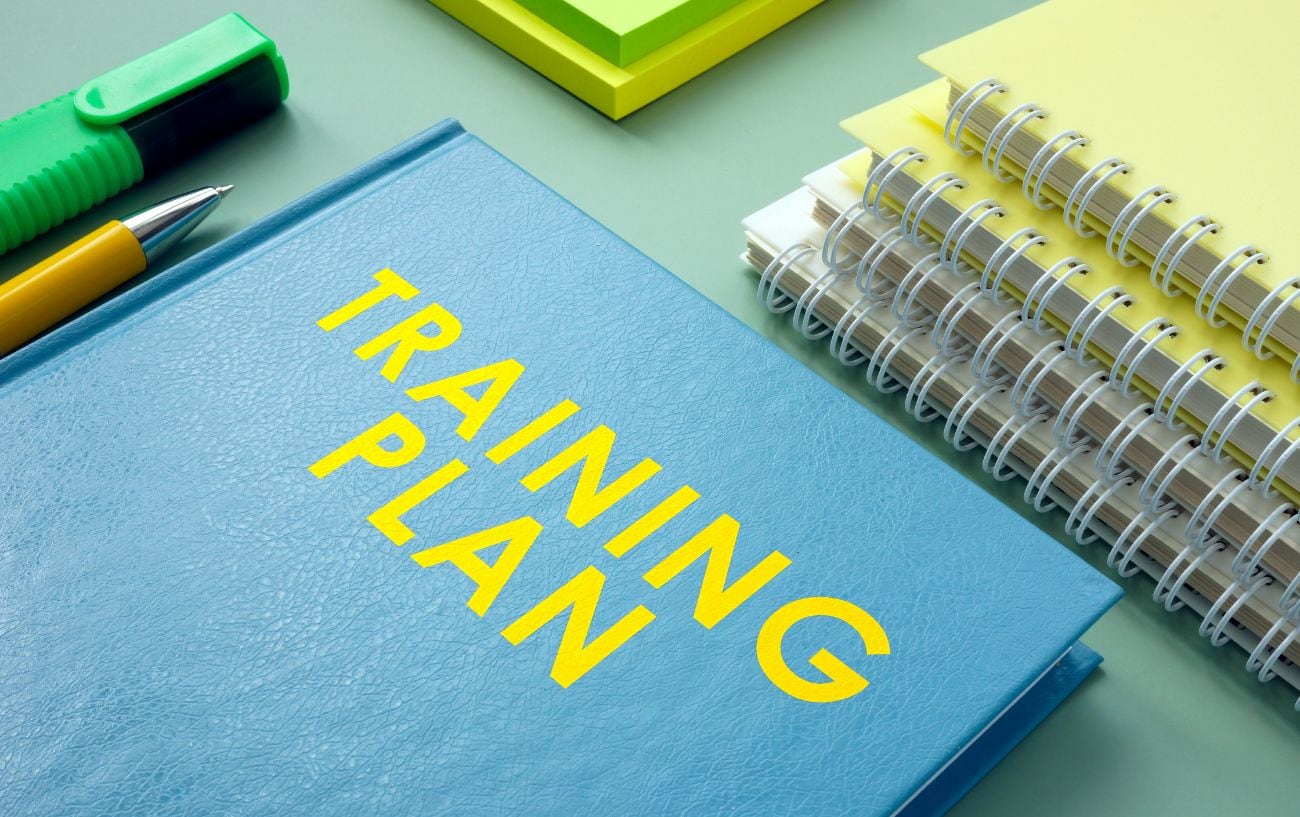
#1: Follow One Of Our Half Marathon Training Plan
As a running coach, I can’t stress enough how important it is to train properly for your half marathon by following a plan specific to your fitness level.
Training plans ensure you progress safely and build endurance gradually. Depending on your experience, you should train for 12-16 weeks to prepare for race day.
Check out our half marathon training plan database to choose a plan that will be appropriate your fitness level and schedule.
#2: Gradually Increase Your Mileage
Follow the 10% rule—increase your mileage by no more than 10% per week to avoid overtraining and injury. Long runs should be scheduled once a week to gradually build endurance.
If you are more advanced, you can add speedwork to your training plan such as intervals, tempo runs and race pace work.
#3: Prioritize Fueling and Hydration
Unlike shorter races, fueling is essential for a half marathon. Here are some general guidelines to follow:
- Pre-Race Fueling: Eat a carbohydrate-rich meal the night before and a light breakfast 2-3 hours before the race.
- During the Race: Consume 30-60g of carbohydrates per hour using energy gels, chews, or sports drinks.
- Hydration: Drink water or an electrolyte beverage regularly, especially if racing in hot conditions.

#4: Practice Your Race Strategy
Your pacing strategy is crucial—start conservatively and finish strong. It is all too easy to start out aggressively on race day. You’ve just come off a taper, lowered your mileage and are feeling stronger than ever–and that race-day adrenaline is at an all time high.
Even though it’s hard, stick to your pace, and don’t let others pull you along. You don’t want to burn out! If you have just a few miles to go and gas in the tank, that’s the time to turn it up and finish strong.
Use your long runs to practice your race pace.
What is your race pace, you ask? There are a couple of ways to calculate it. You can use a recent 5K or 10K race, plug your finish time into Jack Daniel’s VDOT formula and voila! Your estimated half marathon race time and pace will be calculated for you.
If you prefer to work by RPE (rate of perceived exertion) or don’t have a reliable recent race, your half marathon race pace should feel like 5-6 out of 10 on the RPE scale.
It is that comfortably uncomfortable zone where you can just speak a few words but aren’t terribly out of breath where you’ll need to stop before the distance is complete.

#5: Add Strength Training To Your Program
When training for a 5K or 10K, you might have been able to get away with skipping strength training without much consequence. But for a half marathon, the increased demands on your muscles and joints make it a crucial part of injury prevention.
The good news? You don’t need a gym or fancy equipment—though they can add variety to your workouts.
Aim for two 30-minute sessions per week, focusing on unilateral leg exercises and core work to build strength, improve stability, and keep you running strong.
#6: Take Recovery and Injury Prevention Seriously
To stay injury-free, include:
- Dynamic warm-ups before runs
- Cooldowns and stretching post-run
- Cross-training as active recovery (cycling, swimming, etc.)
- Adequate rest and recovery days
- Periodic sport massage to loosen up your muscles
If you experience acute pain or unusual soreness, don’t ignore it—schedule a visit to a physical therapist. Catching potential issues early can prevent them from turning into full-blown injuries that sideline your training.
Are You Ready to Run a Half Marathon?
If you meet the readiness criteria, you’re on track to conquer 13.1 miles! If not, consider starting with shorter distances or following a structured training plan like our Couch to Half Marathon plan to build up to race day.
Check out our database of half marathon training plans to find one that suits your fitness level and experience. With the right preparation, guidance, and determination, you can achieve this incredible running milestone!
RunClub — Free
Join 300,000+ runners in RunClub
Free training plans for every distance, a daily running game, exclusive coaching content, and a real community of runners. Create your free account in 20 seconds — no card.
Already a member? Log in →










Start the conversation