


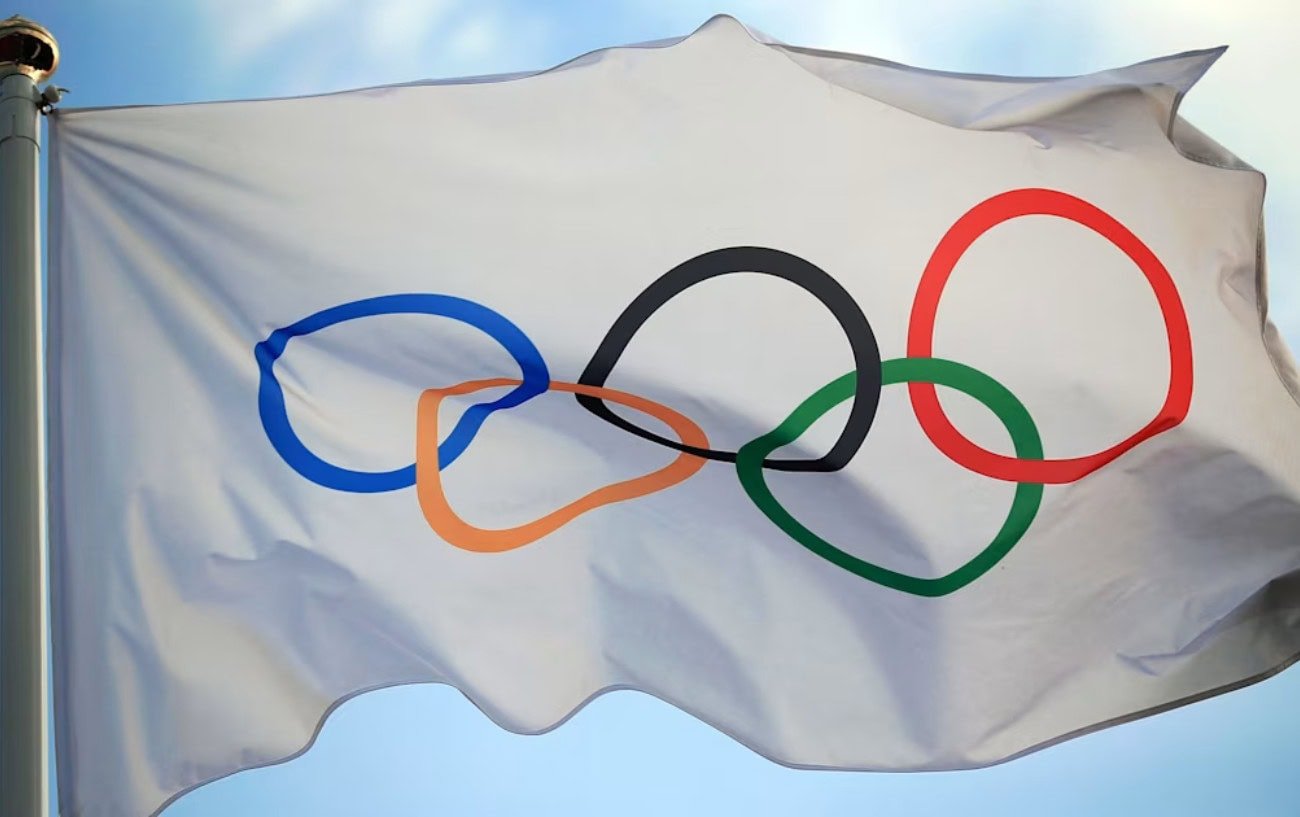
The International Olympic Committee (IOC) appears poised to impose a blanket ban on transgender women competing in female categories, with insiders expecting a new policy to be in place within the next six to twelve months, potentially before the 2028 Los Angeles Olympics.
Sources told The Guardian, The Telegraph, and the BBC that IOC president Kirsty Coventry, elected earlier this year, intends to deliver on her campaign pledge to “protect the female category.”
Coventry, a seven-time Olympic medallist, said in January that she viewed safeguarding women’s sport as “paramount” and has since created a working group to review the scientific evidence and recommend a uniform policy.
Last week, the IOC’s director of health, medicine and science, Dr Jane Thornton, reportedly presented findings that athletes who have undergone male puberty retain physical advantages such as bone density, muscle mass, and aerobic capacity, even after testosterone suppression.
While the IOC insists no final decision has been made, sources expect Coventry’s administration to move toward a ban similar to those already adopted by World Athletics and World Aquatics.
Pressure for clarity before LA 2028
The timing also reflects growing political and sporting pressure.
In February, U.S. President Donald Trump signed an executive order prohibiting transgender women from competing in female categories, including Olympic events held on U.S. soil. Aligning IOC policy with that stance could reduce the risk of conflict ahead of the Los Angeles Games.
The new policy may also cover athletes with differences of sex development (DSD), such as South African runner Caster Semenya, who has been barred from female competition by World Athletics. F
IFA, by contrast, still permits DSD athletes to compete in women’s football, highlighting the patchwork of rules that currently exists across sports.

Science, fairness, and legal risk
Thornton’s review is said to have been “factual and dispassionate,” according to one source, focusing on research that shows lasting physical advantages from male puberty.
Some federations, including World Athletics, now use genetic testing, such as the SRY cheek-swab test, to verify biological sex, a method the IOC may consider adopting.
Yet the issue remains legally and ethically fraught.
Transgender rights groups argue that a blanket ban violates inclusion and human-rights principles, while supporters of stricter eligibility rules say the priority must be competitive fairness.
The IOC’s challenge is to find a policy that can withstand legal scrutiny and be applied consistently across all sports.
For now, the organisation’s official line is cautious.
“The working group is continuing its discussions on this topic and no decisions have been taken yet,” the IOC said in a statement last week. “Further information will be provided in due course.”
If insiders are correct, that information, and a definitive policy, could arrive by mid-2026, marking one of the most consequential eligibility changes in Olympic history.
RunClub
Get more running stories — join RunClub
Daily running news, a community of 300,000+ runners, free training plans for every distance, and a daily running game. Free to join — no card.
Already a member? Log in →







Join the conversation
It’s not controversial. If you were born a man and have made surgical changes as an adult to become feminine, You Are Still A Man genetically. What do people not understand. They cannot compete with the women!