


American sprinter Marvin Bracy-Williams has been handed a 12-year ban for missing three out-of-competition drug tests, according to a statement released Friday by the U.S. Anti-Doping Agency. Hours after the ruling came down, the 32-year-old told the agency he plans to retire.
Bracy-Williams lives in Clermont, Florida. He took silver in the 100 metres at the 2022 World Athletics Championships in Eugene, Oregon, and ran for the United States at the 2016 Olympics. He also raced on the American 4×100 metre relay team. His personal best over 100 metres is 9.85 seconds, which puts him among the fastest Americans of his generation.
USADA said in its announcement that Bracy-Williams accumulated three whereabouts failures within 12 months while in the agency’s Registered Testing Pool. The misses happened on July 1, 2025, February 24, 2026, and April 1, 2026.
How the whereabouts rule works
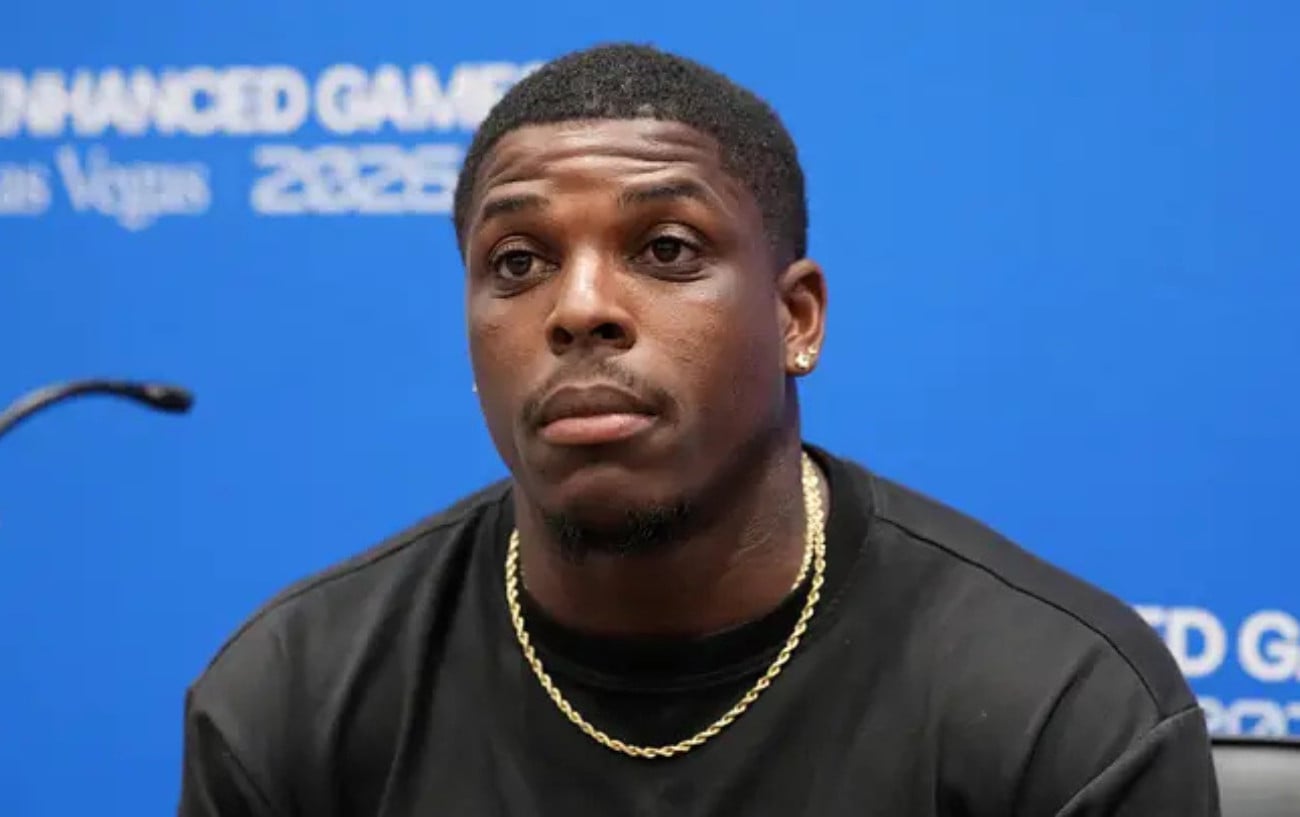
Athletes in a registered testing pool have to tell anti-doping officials where they will be every day, including a specific one-hour window when they are available for unannounced testing. Miss a test or file the wrong information, and the agency records a whereabouts failure. Three of them inside a rolling 12-month window count as a rule violation, even if the athlete never fails a drug test.
“Three Whereabouts Failures within a 12-month period constitutes a rule violation under the USADA Protocol for Olympic and Paralympic Movement Testing,” the agency said in its release.
A first whereabouts violation usually carries a one- or two-year ban, depending on how at fault the athlete is. Because this was Bracy-Williams’s third violation, the range jumped to eight years up to a lifetime ban. USADA chose 12. The same rule recently cost fellow American Fred Kerley a two-year ban for missing drug tests, and put his career in crisis.
Two bans, served back-to-back
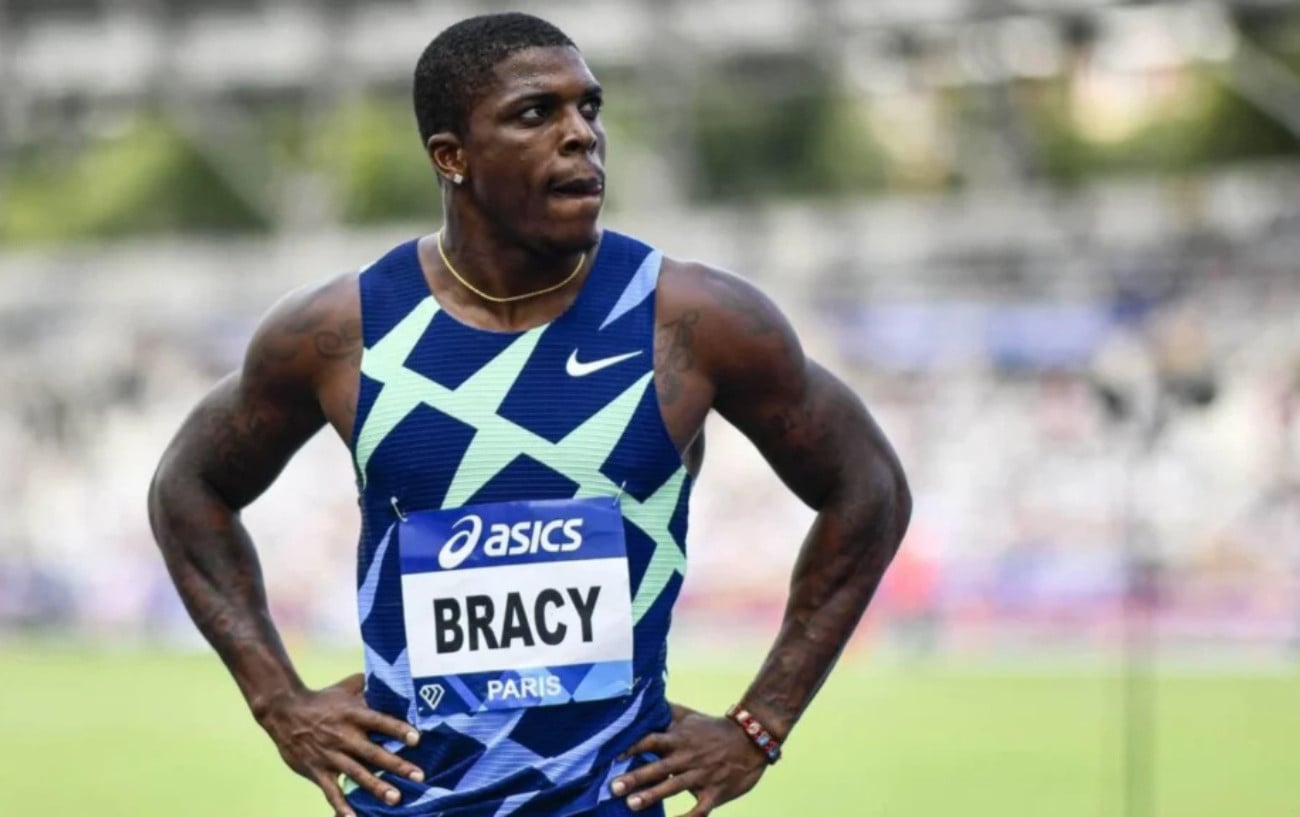
The 12 years don’t start right away. Reuters reported that Bracy-Williams accepted a 45-month sanction in November 2025 for an earlier anti-doping violation. Under the rules, new bans run consecutively when an athlete reoffends during a sanction, so the clock on the new one won’t start until the old one runs out.
He notified USADA on June 5 that he intends to retire, the agency confirmed. His ban will sit indefinitely unless he comes back, and if he does, he will still have to serve the rest before racing again. For more on how athletes navigate this, see what really happens after a doping ban.
USADA also disqualified all of his competitive results from April 1, 2026 onward. Medals, prize money, and points earned after that date have to be returned.
The Enhanced Games complication
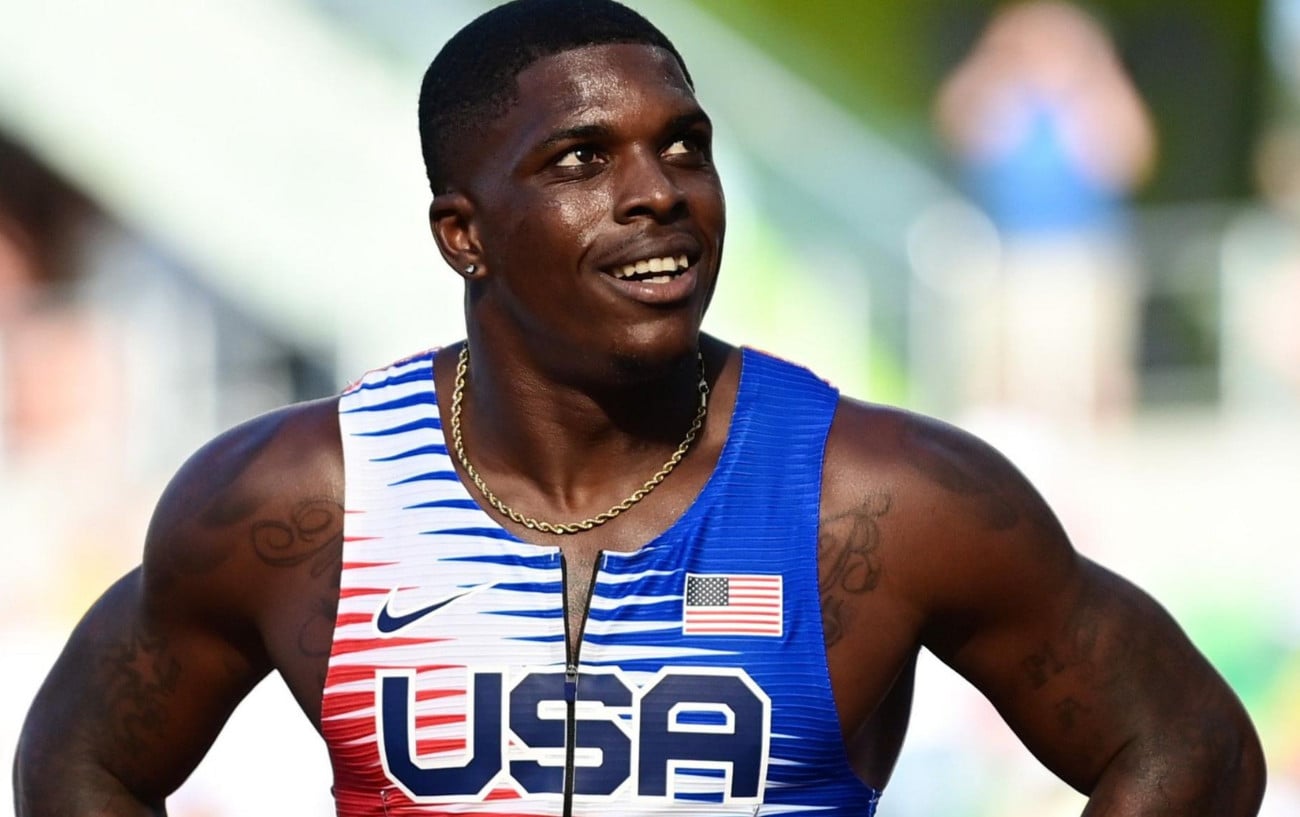
In May, Bracy-Williams ran at the inaugural Enhanced Games at Resorts World Las Vegas. The event openly allows athletes to use substances banned in traditional sport. He finished third in the men’s 100 metres in 10.39 seconds, well off the marks posted by the self-proclaimed clean sprinters who beat the doped field. The competition, by most measures, failed the sales pitch it built itself on.
As Running Magazine noted in its coverage, the 12-year sanction has nothing to do with the Enhanced Games appearance. The ban came from the missed tests and his record as a repeat violator. For broader context, Marathon Handbook has covered just how bad the doping problem in endurance running has become.
Before he was a sprinter, Bracy-Williams played wide receiver. He had a brief run in the NFL before returning to the track in his mid-twenties, where he became known for explosive starts. With this ruling, his career in World Athletics-sanctioned competition is, for all practical purposes, over.
RunClub
Get more running stories — join RunClub
Daily running news, a community of 300,000+ runners, free training plans for every distance, and a daily running game. Free to join — no card.
Already a member? Log in →




Start the conversation