


If you’re struggling with plantar fasciitis, you know how frustrating it can be to keep your running routine while managing foot pain. The good news? The right shoes can make a tremendous difference in managing your symptoms and keeping you on the road. This guide covers the nine best running shoes specifically selected for their support and cushioning features that help alleviate plantar fasciitis.
Quick Shoe Roundup
- Hoka Bondi 9 — Best Overall ↓
- Saucony Triumph 23 — Best for Severe PF ↓
- Brooks Glycerin Max — Best Cushioned ↓
- ASICS Gel-Kayano 32 — Best Stability ↓
- Brooks Adrenaline GTS 25 — Best for Mild PF / Prevention ↓
- Saucony Hurricane 24 — Best for Long Runs ↓
- New Balance Fresh Foam X 860v15 — Best Budget ↓
- Brooks Ghost Max 2 — Best for Recovery Runs ↓
- Hoka Challenger 7 — Best Trail Shoe ↓
Understanding Plantar Fasciitis and Running
Plantar fasciitis is one of the most common foot complaints among runners, characterized by inflammation of the plantar fascia—the thick band of tissue that runs along the bottom of your foot. This condition causes sharp, stabbing pain, typically in the heel and arch, and is often worse in the morning or after periods of rest. As a runner, you’re at higher risk because the repetitive impact and strain on your feet during running can aggravate this delicate tissue.
The connection between plantar fasciitis and running is significant. Many runners experience PF because of training errors (sudden increases in mileage), poor biomechanics, tight calf muscles, or inadequate foot support. The good news is that you don’t necessarily have to stop running—you just need to manage the condition carefully and wear appropriate footwear.
Choosing shoes designed to support the arch and heel is critical. Shoes with adequate cushioning absorb impact, while features like proper heel drop and arch support reduce strain on the plantar fascia during each footfall. Learning more about running with plantar fasciitis can help you return to pain-free running while protecting your feet from further injury.
The shoes featured in this roundup share common characteristics that make them particularly effective for runners with plantar fasciitis: generous cushioning, elevated heel drops, supportive arch structure, and firm heel counters. These features work together to stabilize your foot, reduce excessive arch strain, and provide the comfort you need to maintain your training.
What to Look For in Running Shoes for Plantar Fasciitis
When shopping for shoes to manage plantar fasciitis, several key features should be at the top of your priority list. Understanding these characteristics will help you make an informed decision and find shoes that truly address your needs.
Cushioning and Impact Protection: Adequate cushioning is essential for runners with plantar fasciitis because it absorbs the shock of each footfall, reducing stress on the inflamed tissue. Look for shoes with responsive foam technologies that provide comfort without feeling overly soft or unstable. Modern cushioning materials like EVA foam, PWRRUN+, DNA LOFT, and similar compounds offer excellent shock absorption while maintaining support.
Arch Support: Proper arch support helps distribute pressure evenly across your foot and prevents excessive stretching of the plantar fascia. This doesn’t necessarily mean rigid orthotics—many runners benefit from shoes with moderate arch structure that guide the foot naturally. The arch should feel supportive without pinching or feeling overly firm.
Heel Drop: Heel drop refers to the difference in height between the heel and forefoot. A 10mm to 12mm drop is generally recommended for plantar fasciitis because it reduces the stretch on the plantar fascia and shifts load toward the calf muscles. Lower drops can increase arch strain, while extremely high drops may feel unnatural. Most of the shoes in this guide feature heel drops in the 8mm to 12mm range.
Stability Features: While you don’t necessarily need a stability shoe, features like guide rails, medial posts, or reinforced heel counters can help keep your foot properly aligned and reduce excessive motion that might aggravate your condition. These features work subtly to support your natural running gait.
Firm Heel Counter: A firm heel counter—the structure surrounding your heel—provides important support and prevents excessive heel motion inside the shoe. This stability is particularly important for managing plantar fasciitis because heel movement can strain the plantar fascia. Quality heel counters keep your heel locked in place without feeling restrictive.
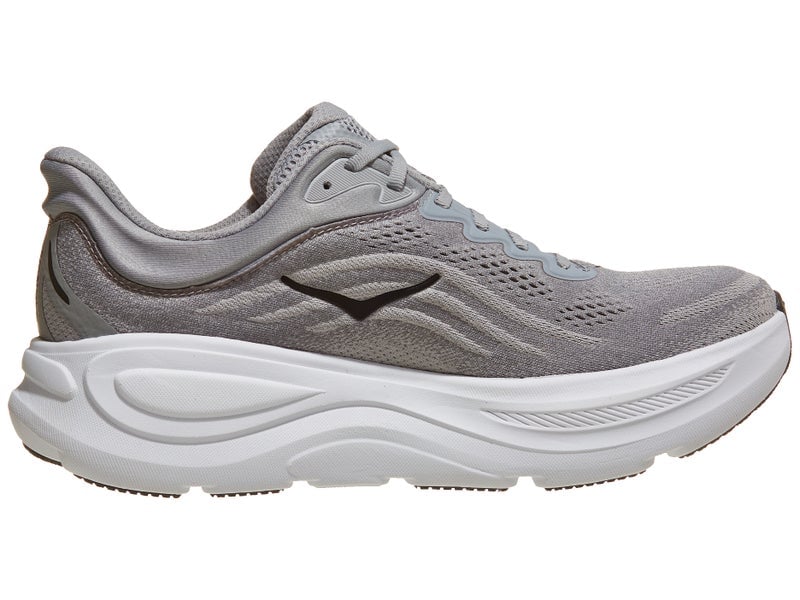
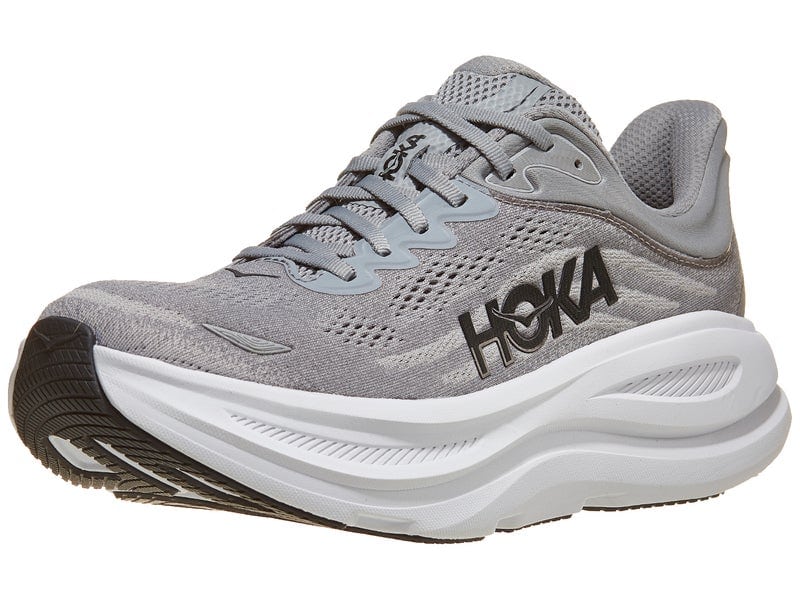
1. Hoka Bondi 9 — Best Overall
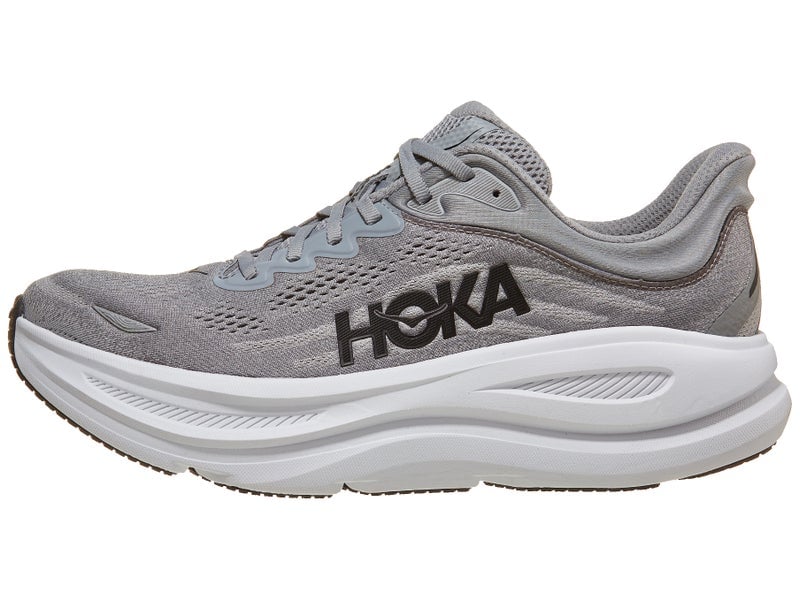
The Hoka Bondi 9 stands out as the best overall choice for runners with plantar fasciitis because it delivers exceptional cushioning without sacrificing responsiveness. Hoka’s philosophy of maximum cushioning paired with lightweight design translates perfectly to PF management—the shoe absorbs impact effectively while encouraging a natural running motion. The Bondi 9 has become a favorite among runners seeking both comfort and performance, and it’s particularly effective for those dealing with foot pain.
What makes this shoe special for plantar fasciitis is its rocker geometry, which encourages a smooth toe-off and reduces the need for the plantar fascia to work overtime during push-off. The generous cushioning stack height provides excellent impact protection, while the 4mm heel drop sits on the lower end of our recommendations—but the massive cushioning volume compensates beautifully. The shoe feels stable underfoot despite the lower drop because of its wide platform and structured design.
Key Specs: The Bondi 9 weighs just 10.8 ounces (307 grams) in men’s size, featuring a 4mm heel drop and an impressive 37mm stack height. The midsole combines reactive EVA foam with CMEVA technology in the heel for enhanced cushioning where you need it most. The upper is breathable and accommodating, making it suitable for most foot shapes and widths.
Pros: Maximum cushioning, smooth rocker transition, lightweight despite cushioning volume, excellent for impact absorption, very responsive underfoot. Cons: Lower heel drop may not suit everyone with severe PF, pricier option, may feel over-cushioned for speed work.
2. Saucony Triumph 23 — Best for Severe Plantar Fasciitis
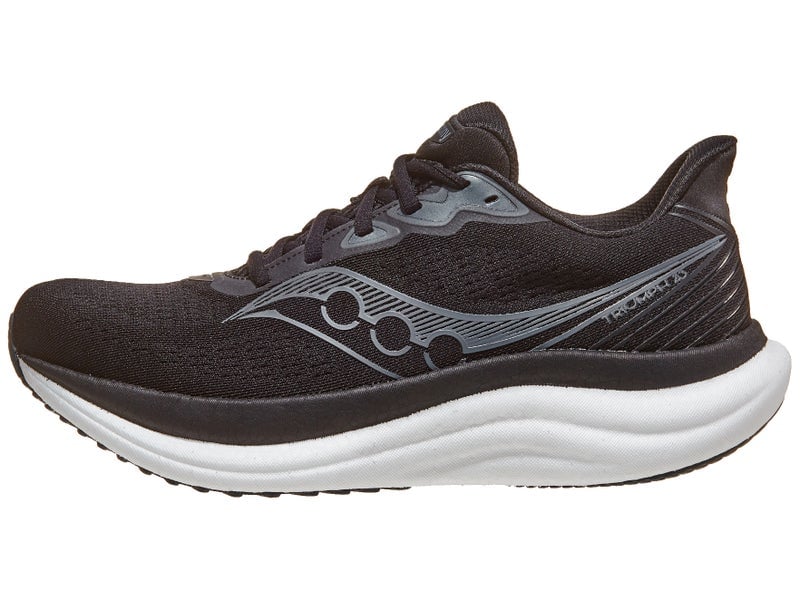
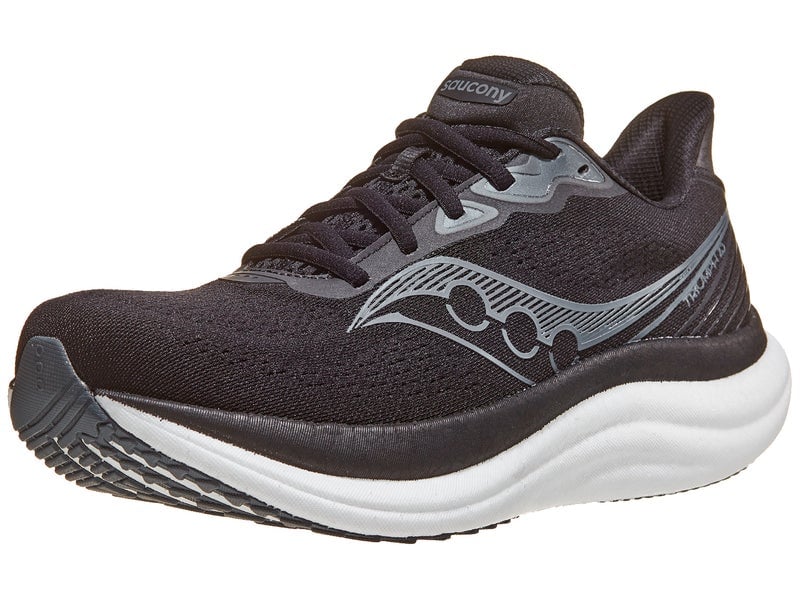
For runners dealing with severe plantar fasciitis, the Saucony Triumph 23 offers the right balance of cushioning and support. This shoe is specifically engineered to reduce stress on the plantar fascia through its combination of premium cushioning materials and supportive architecture. Saucony’s approach to the Triumph line prioritizes comfort and protection, making it an excellent choice when your foot pain demands serious attention.
The Triumph 23 features Saucony’s PWRRUN+ cushioning platform, which provides a responsive yet forgiving ride. The 8mm heel drop is ideal for PF management—substantial enough to reduce arch strain while not so high that it feels awkward. The shoe’s supportive midsole structure helps stabilize the foot, preventing excessive pronation and arch collapse that can exacerbate plantar fasciitis. The firm heel counter locks your heel in place, preventing the heel motion that can strain the plantar fascia.
Key Specs: The Triumph 23 weighs 10.2 ounces (289 grams) in men’s size, with an 8mm heel drop and 35mm stack height. The PWRRUN+ foam provides responsive cushioning with excellent energy return, while the structured midsole architecture offers the support needed for severe PF cases. The upper is designed for a secure fit with plenty of room in the toe box.
Pros: Ideal heel drop for PF, responsive cushioning, excellent support structure, versatile for all running paces, great value. Cons: Less maximalist than some options, may feel less plush if you prefer extreme cushioning, moderate rocker.
3. Brooks Glycerin Max — Best Cushioned
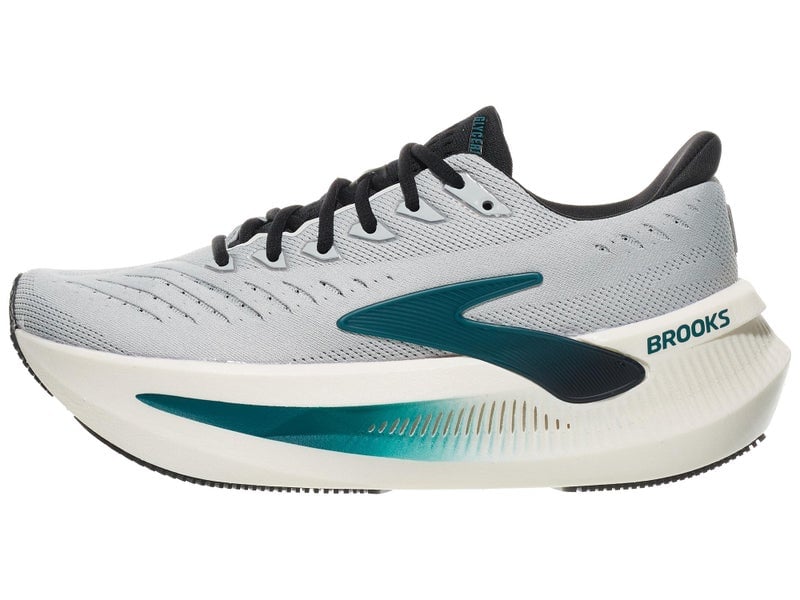
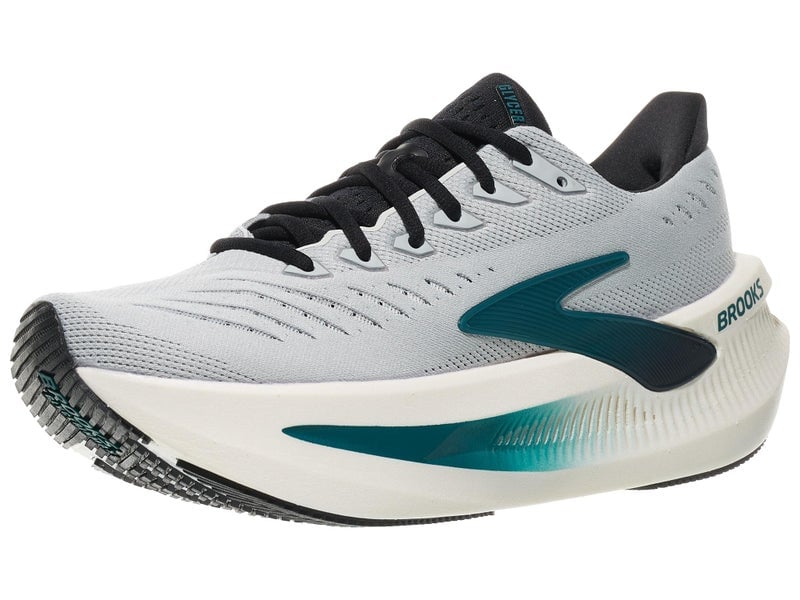
If you want maximum cushioning for plantar fasciitis, the Brooks Glycerin Max delivers in spades. This shoe takes the already-popular Glycerin formula and enhances it with additional cushioning layers, creating one of the most comfortable, plush-feeling shoes on the market today. The Glycerin Max is ideal for runners who prioritize comfort above all else and don’t mind trading some responsiveness for a cloud-like feel underfoot.
The Glycerin Max combines Brooks’ DNA LOFT v3 cushioning with nitrogen-infused foam technology, creating a supremely soft platform that absorbs impact beautifully. The 10mm heel drop is perfect for plantar fasciitis—substantial enough to reduce arch strain while remaining comfortable for everyday running. The smooth, forgiving ride means less stress travels through the plantar fascia with each step. The shoe’s wide base and rocker geometry further contribute to a smooth, efficient gait that minimizes PF aggravation.
Key Specs: The Glycerin Max weighs 10.5 ounces (298 grams) in men’s size, featuring a 10mm heel drop and a substantial 39mm stack height. The dual-cushioning system provides exceptional softness while maintaining enough structure for support. The upper is accommodating and breathable, with a relaxed fit that works well for runners with sensitive feet.
Pros: Maximum cushioning and comfort, ideal heel drop, excellent for impact protection, smooth rocker, very accommodating upper. Cons: Less responsive due to soft cushioning, heavier option, may feel mushy for faster paces, premium price point.
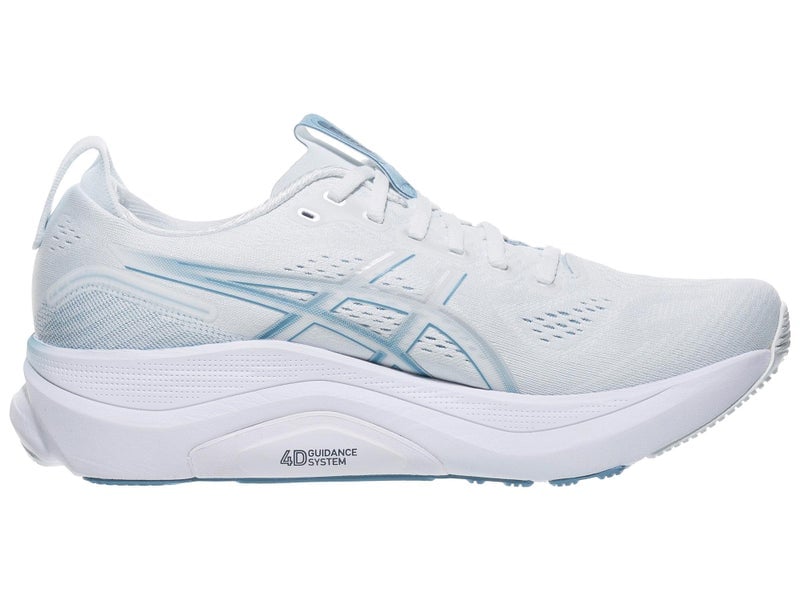
4. ASICS Gel-Kayano 32 — Best Stability
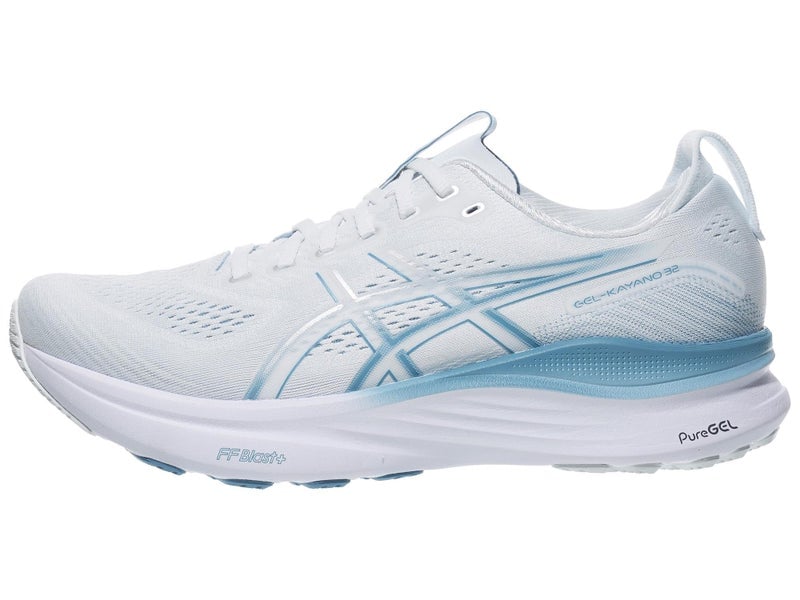
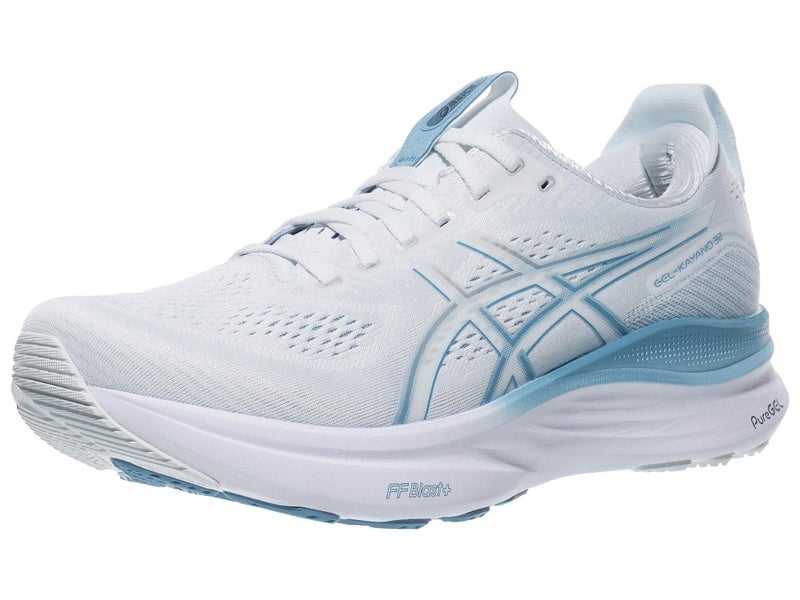
The ASICS Gel-Kayano 32 is the premier choice for runners who need both stability and support to manage plantar fasciitis. This shoe combines ASICS’ legendary support systems with modern cushioning technology, creating a stability shoe that truly protects your feet. The Kayano line has been trusted by runners with foot issues for decades, and the latest generation continues this tradition while incorporating new innovations for 2026.
What sets the Kayano 32 apart for plantar fasciitis management is its comprehensive support structure. The shoe features ASICS’ Dynamic DuoMax technology, which provides medial support throughout the gait cycle, and a reinforced heel counter that keeps your heel locked in place. These features work together to prevent excessive motion that could strain your plantar fascia. The FF BLAST PLUS ECO cushioning combined with strategic PureGEL placement in the heel provides excellent shock absorption exactly where you need it. The 10mm heel drop is therapeutic for PF, and the shoe’s structured geometry actively guides your foot toward a healthier gait pattern.
Key Specs: The Kayano 32 weighs 11.5 ounces (326 grams) in men’s size, with a 10mm heel drop and 40mm stack height. The midsole combines responsive FF BLAST PLUS ECO foam with gel cushioning technology. The upper is structured for support while remaining breathable, and the fit is roomy enough for most foot shapes, including those with customized insoles or orthotics.
Pros: Excellent stability features, therapeutic heel drop, comprehensive support structure, accommodating for orthotics, durable construction. Cons: Heavier than most options, may feel less responsive, can be pricey, more corrective feel than neutral shoes.
5. Brooks Adrenaline GTS 25 — Best for Mild Plantar Fasciitis / Prevention
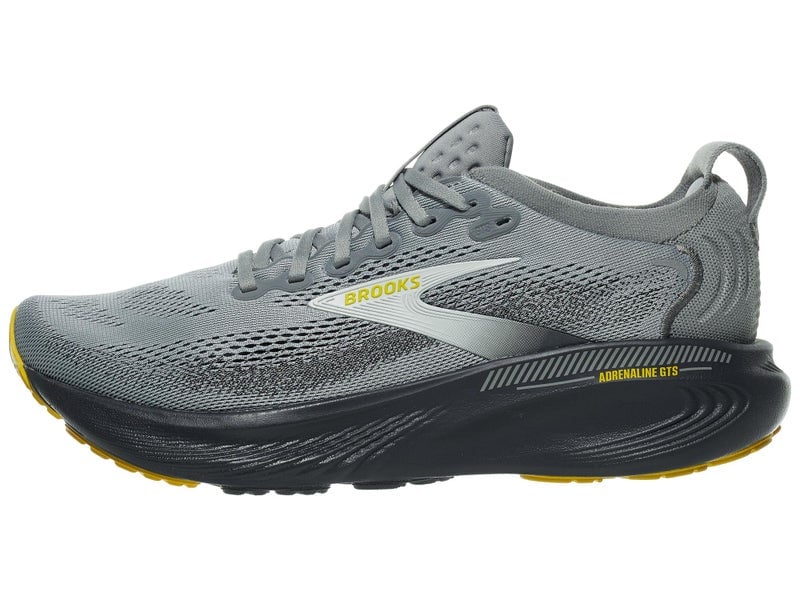
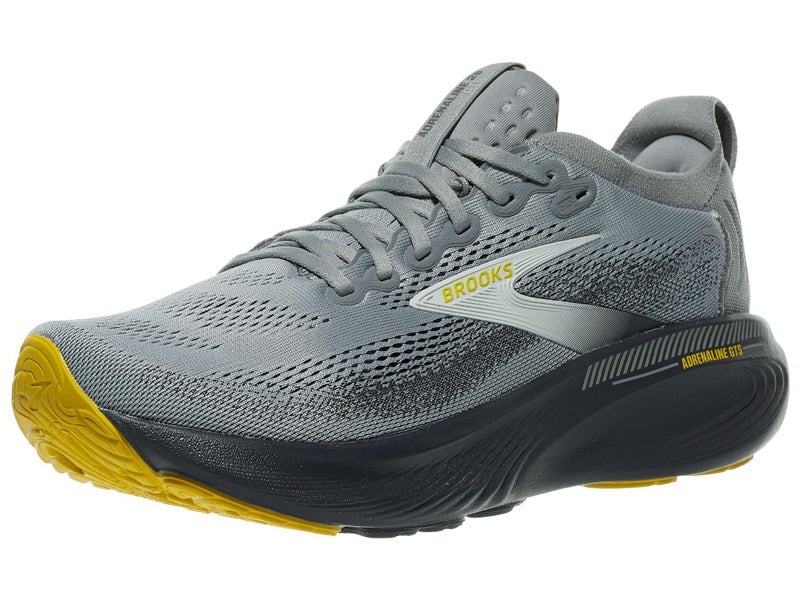
The Brooks Adrenaline GTS 25 is perfect for runners with mild plantar fasciitis or those looking to prevent the condition from developing. This stability shoe offers targeted support without feeling overly corrective or heavy. The Adrenaline GTS line has long been a favorite among runners who want moderate support features that protect their feet without the maximum-support feel of more aggressive stability shoes.
For PF management, the Adrenaline GTS 25 shines because of its GuideRails technology—a system that provides subtle support guidance without restricting natural motion. The 12mm heel drop is among the highest in this roundup, making it excellent for reducing arch strain and shifting stress away from the plantar fascia. The DNA LOFT v2 cushioning provides responsive, reliable protection with each footfall. The reinforced heel counter and structured midsole keep your foot stable and aligned, preventing the excessive motion that can aggravate mild PF. This shoe is particularly good for runners who train consistently and want to prevent PF from becoming a serious problem.
Key Specs: The Adrenaline GTS 25 weighs 10.2 ounces (289 grams) in men’s size, with a 12mm heel drop and 33mm stack height. The midsole features DNA LOFT v2 cushioning with GuideRails support technology. The upper offers a secure, supportive fit without excessive pressure points, making it comfortable for daily training runs.
Pros: Highest heel drop for PF prevention, subtle support feel, responsive cushioning, versatile for various paces, excellent value. Cons: Less plush than maximalist options, support might feel too subtle for severe PF, moderate stack height.
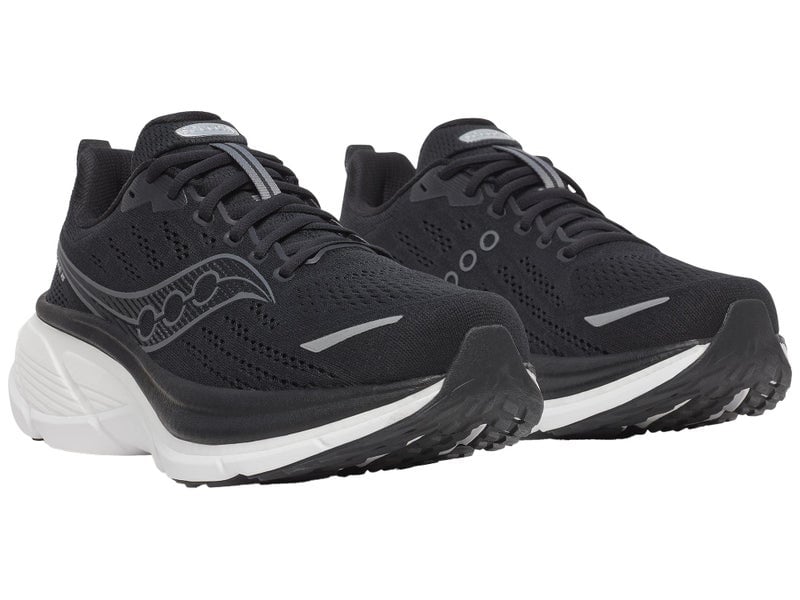
6. Saucony Hurricane 24 — Best for Long Runs
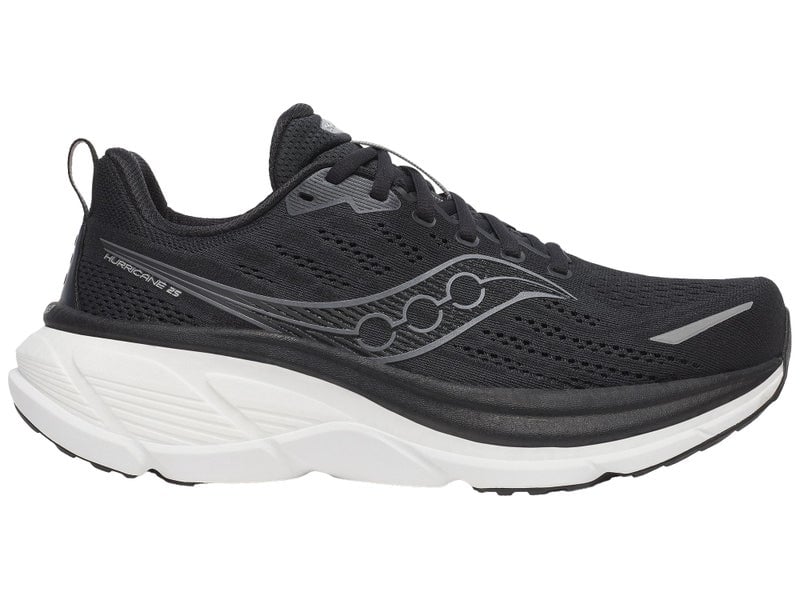
The Saucony Hurricane 24 is engineered specifically for runners who need a durable, stable platform for longer distances while managing plantar fasciitis. This full-support shoe combines Saucony’s PWRRUN+ cushioning with comprehensive medial posts and guidance systems, creating a shoe that can handle the cumulative stress of extended running without aggravating your feet. If long runs are part of your training and PF has been holding you back, the Hurricane 24 deserves serious consideration.
What makes the Hurricane 24 excellent for long-run plantar fasciitis management is its ability to maintain support and cushioning throughout miles of running without degrading. The PWRRUN+ cushioning is forgiving yet responsive, providing excellent shock absorption when fatigue might otherwise cause PF flare-ups. The 8mm heel drop is therapeutic without being extreme, and the shoe’s rocker geometry encourages efficient forward motion, reducing the work demanded from your plantar fascia over the course of a long run. The structured midfoot and reinforced heel counter provide stability that prevents the foot from rolling or shifting in ways that could stress the plantar fascia.
Key Specs: The Hurricane 24 weighs 11.0 ounces (312 grams) in men’s size, with an 8mm heel drop and 36mm stack height. The midsole features PWRRUN+ foam throughout, with supportive structures integrated for guidance. The upper is designed for durability and comfort over extended distances, with strategic padding to prevent hot spots.
Pros: Excellent for long-distance running, durable construction, ideal heel drop, responsive cushioning, comprehensive support. Cons: Heavier than some options, may feel more corrective than neutral, less suitable for speed work.
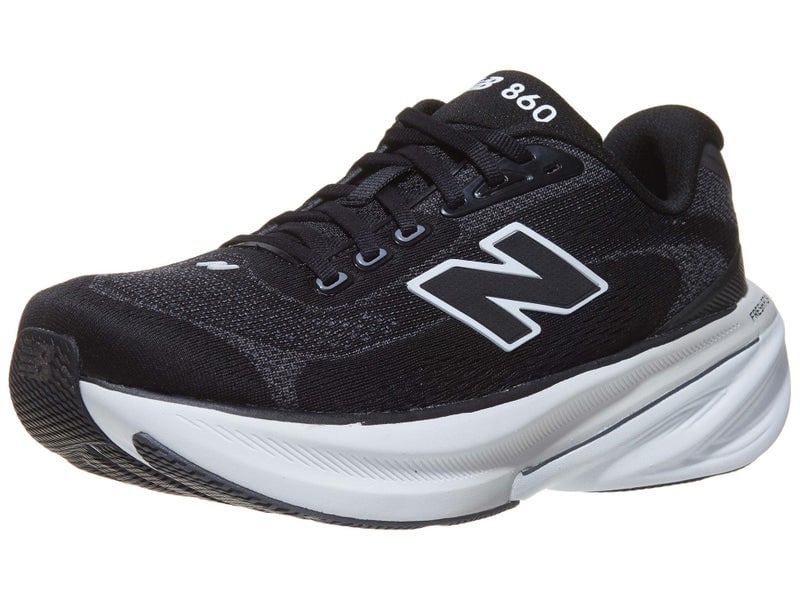
7. New Balance Fresh Foam X 860v15 — Best Budget
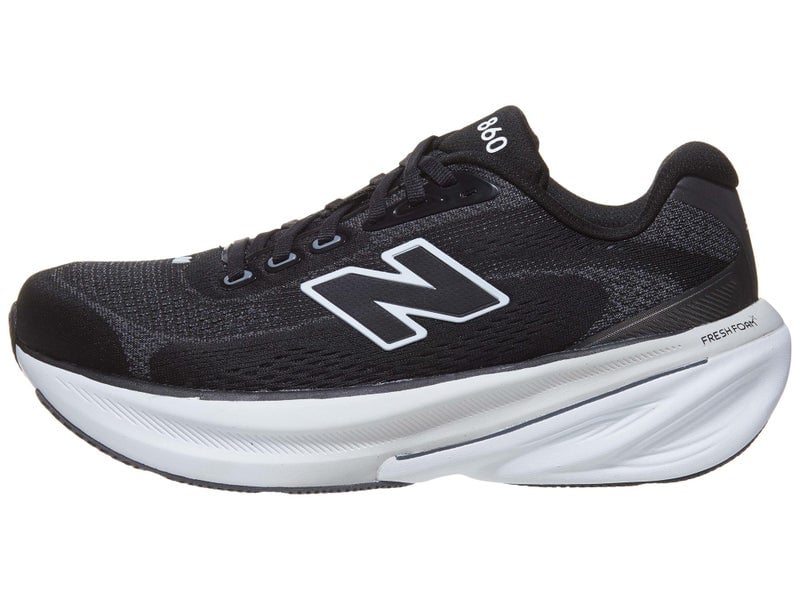
Quality running shoes for plantar fasciitis don’t have to cost a fortune, and the New Balance Fresh Foam X 860v15 proves this point. This shoe offers excellent support and cushioning at a more accessible price point, making it ideal for runners on a budget who need PF-friendly features. New Balance has a long history of producing supportive shoes, and the 860v15 carries on that tradition while incorporating modern cushioning technology.
The Fresh Foam X 860v15 delivers support and comfort through its combination of Fresh Foam X cushioning and a structured midsole with guide rails. The 10mm heel drop is perfect for plantar fasciitis management, providing enough elevation to reduce arch strain while remaining comfortable for daily running. The cushioning is responsive and forgiving, absorbing impact without sacrificing the stability you need. The shoe’s wider platform provides a secure base for your foot, and the reinforced heel counter keeps everything locked in place. Despite its lower price, this shoe doesn’t compromise on the features that matter for PF management.
Key Specs: The 860v15 weighs 10.7 ounces (303 grams) in men’s size, with a 10mm heel drop and 34mm stack height. The Fresh Foam X midsole provides responsive cushioning with good durability. The upper is comfortable and practical, designed for everyday training without unnecessary frills.
Pros: Excellent value for money, ideal heel drop, responsive cushioning, good support structure, accessible price. Cons: Less premium feel than higher-priced options, moderate stack height, less maximalist cushioning.
8. Brooks Ghost Max 2 — Best for Recovery Runs
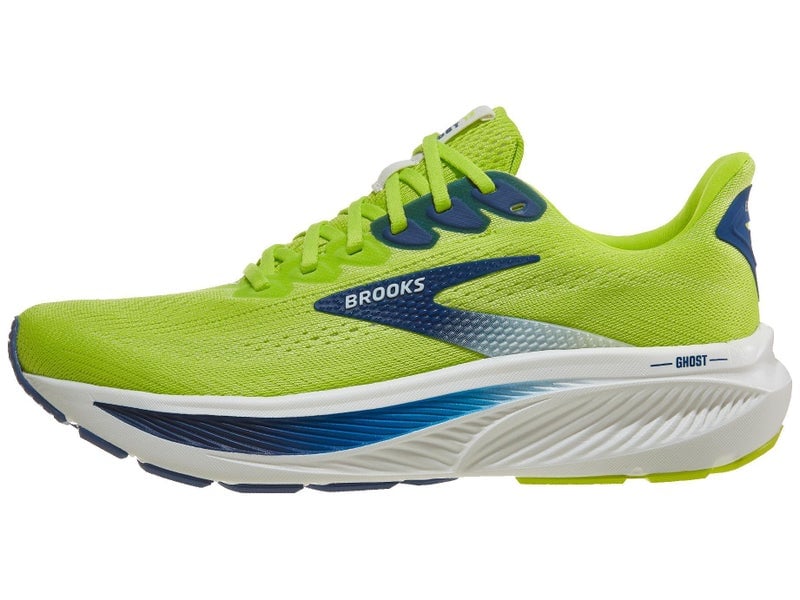
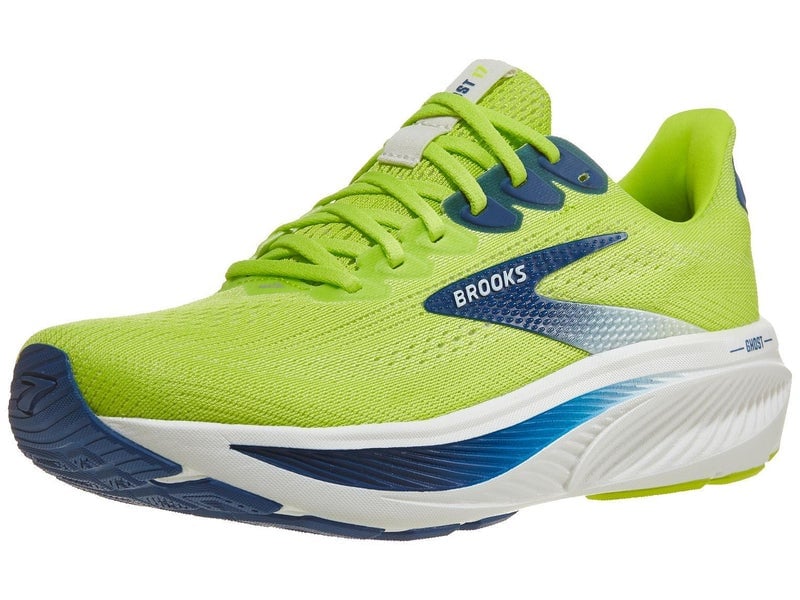
The Brooks Ghost Max 2 is purpose-built for recovery runs and easy-paced training, making it an excellent companion shoe to have alongside your regular training footwear if you’re managing plantar fasciitis. This shoe prioritizes maximum cushioning and comfort over everything else, creating an ideal environment for your feet to recover between harder efforts. If you’re dealing with PF, having a dedicated recovery shoe can help reduce cumulative stress and allow your feet to heal.
The Ghost Max 2 features Brooks’ DNA LOFT v2 cushioning combined with nitrogen-infused foam technology, creating a supremely soft platform that minimizes impact stress. The 6mm heel drop is lower than our other recommendations, but the massive cushioning volume more than compensates by providing excellent shock absorption and a smooth, forgiving feel. The rocker geometry encourages efficient forward motion without demanding much work from your plantar fascia. The structured upper and reinforced heel counter provide enough support without feeling restrictive. For runners with PF, using the Ghost Max 2 for easy and recovery runs can extend training quality while giving injured tissue time to heal.
Key Specs: The Ghost Max 2 weighs 10.6 ounces (300 grams) in men’s size, with a 6mm heel drop and 37mm stack height. The dual-foam midsole provides plush cushioning with excellent durability. The upper is accommodating and comfortable, designed specifically for long-duration easy running.
Pros: Maximum cushioning for recovery, smooth rocker, lightweight despite cushioning, excellent for easy runs, very comfortable. Cons: Lower heel drop may not suit severe PF, less responsive due to soft cushioning, primarily for easy-paced running.
9. Hoka Challenger 7 — Best Trail Shoe
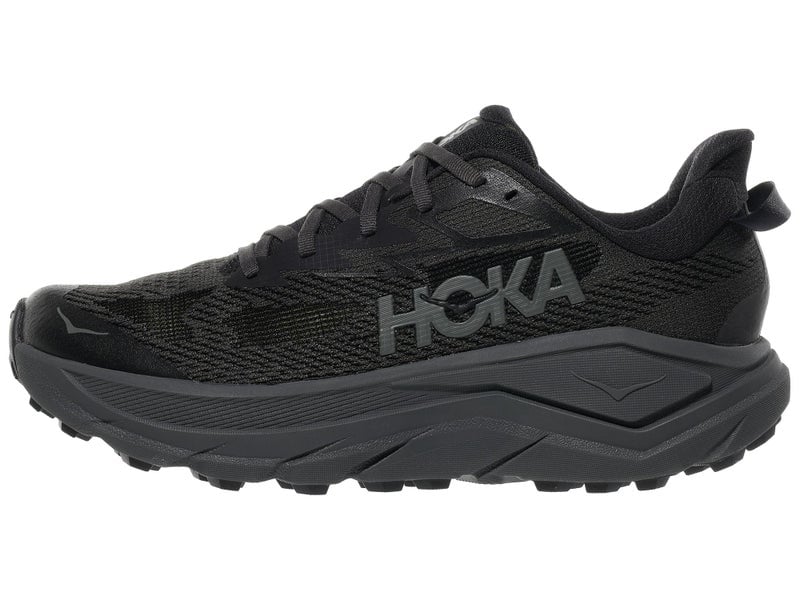
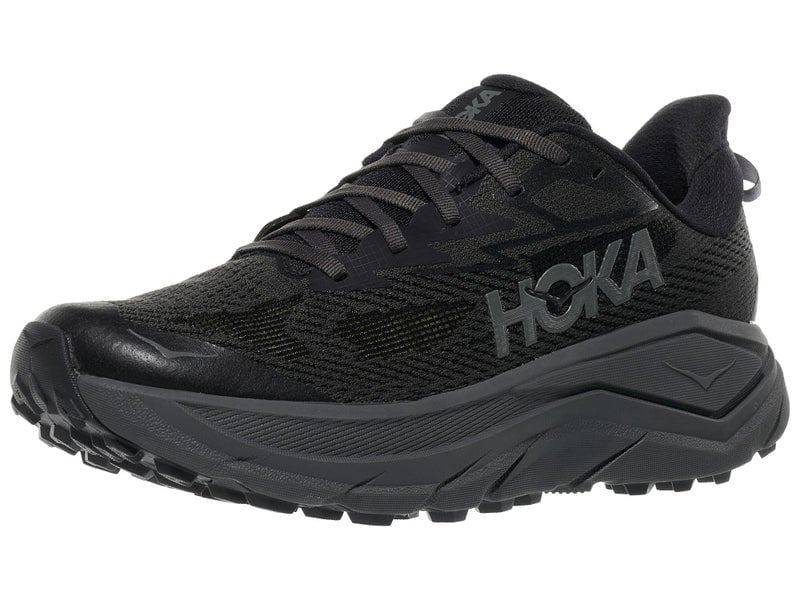
Trail running with plantar fasciitis presents unique challenges, and the Hoka Challenger 7 is specifically designed to address them. This shoe provides the cushioning and support you need on uneven terrain while managing foot pain. The Challenger 7 combines Hoka’s signature maximalist cushioning philosophy with trail-specific features, creating a shoe that can handle challenging surfaces without aggravating your PF. If you want to maintain trail running while managing plantar fasciitis, this shoe makes it possible.
What makes the Challenger 7 excellent for trail runners with PF is its balance of protection and ground feel. The CMEVA cushioning provides impact protection on rocky, rooted terrain, while the rocker geometry helps you move efficiently even when the ground beneath you is unstable. The 5mm heel drop combined with the thick, protective midsole creates an environment where your plantar fascia experiences less stress with each footfall. The aggressive tread pattern and reinforced rubber in strategic areas provide the traction and durability needed for trails, while the cushioned platform absorbs the varied impacts of uneven terrain. The locked-down heel and structured upper keep your foot stable on technical descents.
Key Specs: The Challenger 7 weighs 9.5 ounces (269 grams) in men’s size, with a 5mm heel drop and 33mm stack height. The midsole features CMEVA cushioning throughout, with reinforced areas for durability. The upper is protective and durable with quality materials designed to withstand trail conditions.
Pros: Excellent trail performance, lightweight for a cushioned shoe, aggressive traction, protective midsole, fun for trail running. Cons: Lower heel drop may not suit severe road-running PF, trail-specific features may feel unnecessary for road-only runners, less responsive than road shoes.
Frequently Asked Questions About Running Shoes for Plantar Fasciitis
Can running shoes cure plantar fasciitis?
Running shoes alone cannot cure plantar fasciitis, but they play a crucial supporting role in managing the condition and reducing pain. The right shoes reduce stress on the inflamed tissue, allowing it to heal while you continue running. Combined with stretching, strengthening exercises, adequate rest, and potentially other treatments like orthotics or physical therapy, proper footwear becomes an essential part of your overall PF management strategy. Think of shoes as one tool in a larger toolkit for recovery.
What heel drop is best for plantar fasciitis?
A heel drop of 10mm to 12mm is generally recommended for plantar fasciitis because it reduces the stretch on the plantar fascia during running. This elevation helps shift load toward the calf muscles and away from the arch. However, individual preferences vary—some runners benefit from slightly lower drops (8mm) if they have adequate cushioning, while others need the maximum (12mm+). Our selection includes options ranging from 4mm to 12mm, so you can find what works for your specific condition and running style.
Should I wear stability shoes for plantar fasciitis?
Stability shoes can be beneficial for plantar fasciitis, particularly if you overpronate or have motion control issues that contribute to arch strain. However, not everyone with PF needs a stability shoe—many runners do well with neutral shoes that have excellent cushioning and adequate arch support. The best approach is to assess your running gait. If you tend to roll inward excessively (overpronation), a stability shoe like the Kayano 32 or Adrenaline GTS 25 may help. If your gait is neutral, focus on cushioning and arch support instead.
How often should I replace my running shoes if I have plantar fasciitis?
With plantar fasciitis, most runners benefit from replacing shoes every 300-400 miles, which is somewhat more frequent than the standard 400-500 mile replacement interval. As cushioning compresses and support features degrade over time, your shoes become less effective at protecting your feet. Worn-out shoes mean increased stress on the plantar fascia, potentially triggering or worsening pain. Monitor your shoes for signs of wear and don’t hesitate to replace them sooner if you notice increased PF symptoms.
Are Hokas good for plantar fasciitis?
Yes, Hokas are generally excellent for plantar fasciitis. The brand’s philosophy of maximum cushioning with rocker geometry creates shoes that reduce impact stress and encourage smooth, efficient gait mechanics. Both the Bondi 9 and Challenger 7 featured in this roundup are Hokas, and many runners with PF find Hoka’s entire lineup supportive. The primary consideration is that Hoka’s lower heel drops (4-5mm) require relying on ample cushioning rather than elevation to manage PF, which works well for many runners but may not suit everyone with severe cases.
Can I still run with plantar fasciitis?
Yes, most runners can continue running with plantar fasciitis by making smart adjustments. The key is reducing volume and intensity initially, wearing appropriate shoes, incorporating stretching and strengthening routines, and allowing adequate recovery time. Many runners find that consistent, moderate running is actually better for their PF than complete rest, as long as they’re using proper footwear and managing training load carefully. If pain is severe or shooting, take extra rest days. As symptoms improve, gradually return to your normal training using the strategies outlined in this guide.
Do I need custom orthotics with these shoes?
Not necessarily. Many runners with plantar fasciitis find relief through properly fitted running shoes alone, particularly those with adequate arch support and heel drop like the shoes in this roundup. However, some runners benefit from custom orthotics, especially those with severe PF or specific biomechanical issues. If you’re considering orthotics, try the shoes in this guide first—many of them have accommodating upper fits designed to work with custom insoles if needed. Consult a podiatrist or sports medicine professional if home strategies aren’t providing sufficient relief.
What about zero-drop shoes and plantar fasciitis?
Zero-drop shoes (where heel and forefoot are at the same height) are generally not recommended for runners with active plantar fasciitis. These shoes put more stretch on the plantar fascia and are better suited for runners with healthy feet or minimal PF issues. The traditional 10-12mm heel drop is far more therapeutic for managing this condition. If you love zero-drop shoes and have mild PF, you might eventually return to them after your symptoms improve, but during active PF management, higher heel drops provide better support and pain relief.
More Shoe Roundups From Marathon Handbook
- Best Marathon Running Shoes
- Best Carbon Plate Running Shoes
- Best Running Shoes for Beginners
- Best Daily Running Shoes
- Best Hoka Running Shoes Reviewed
- Best Running Shoes Reviewed
- Best Trail Running Shoes
- Best Half Marathon Shoes
RunClub — Free
Join 300,000+ runners in RunClub
Free training plans for every distance, a daily running game, exclusive coaching content, and a real community of runners. Create your free account in 20 seconds — no card.
Already a member? Log in →



Start the conversation