


Imagine doing ten 300-meter intervals today, then coming back to do them again tomorrow. That’s the kind of week when I’d be most tempted by an ice bath. It’s also a good time to ask what those 15 cold minutes buy you.

Seventeen recreational male runners completed two five-day training blocks with one rest day in between. Each session included 30 minutes of continuous running, a maximal 300-meter effort, and ten more 300-meter intervals. Afterward, one group sat in 10°C (50°F) water for 15 minutes. The other sat and rested. The maximal 300 gave the researchers a performance check they could repeat throughout the block.1Brozinga, P. F. A., Ottone, V. de O., Costa, M. L. B., Garcia, B. C. C., da Paz, G., Beatriz Costa, K., de Castro Magalhães, F., Rocha-Vieira, E., & Amorim, F. T. (2026). Cold-water immersion does not improve running performance during intensified training. International Journal of Sports Medicine, 10.1055/a–2983-8106. PubMed. https://doi.org/10.1055/a-2983-8106
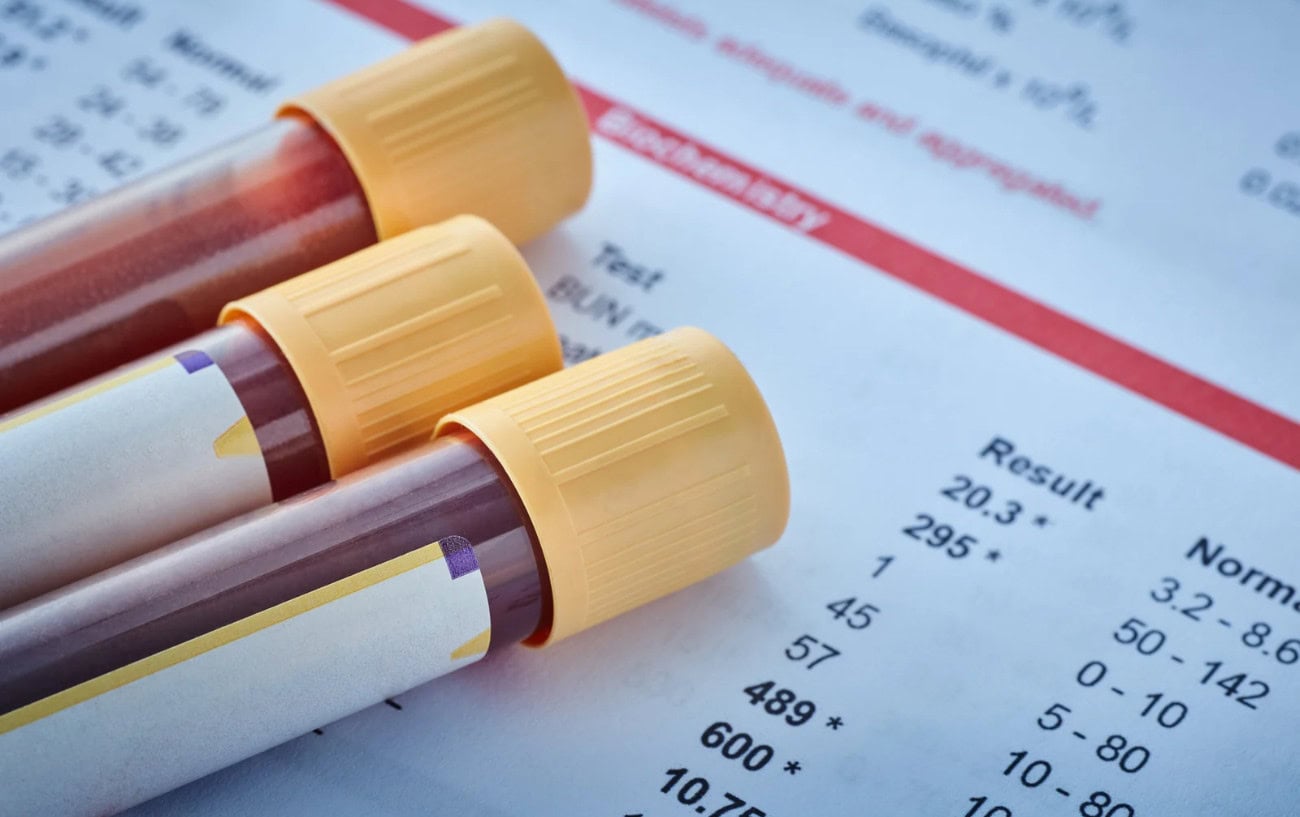
The runners got sorer, and blood markers of muscle stress climbed. Yet both groups kept up their training volume, and their 300-meter times held steady. The ice-bath group had no detectable advantage in speed or soreness.
That combination is worth sitting with. Had the runners who rested gotten progressively slower while the cold-water group held pace, there’d be a case for the bath. Here, sitting quietly also got the runners to the next session able to hit their times.
What this means for runners
If you take an ice bath because “I want to run tomorrow’s reps better,” this small trial gives you little reason to make it a daily obligation. I’d also borrow an idea from the researchers. During a hard block, write down both how sore you feel and what happens on a repeatable effort. These runners’ legs felt worse as the days went by, even as their 300-meter times told a steadier story.
References
RunClub — Free
Join 300,000+ runners in RunClub
Free training plans for every distance, a daily running game, exclusive coaching content, and a real community of runners. Create your free account in 20 seconds — no card.
Already a member? Log in →





Start the conversation