


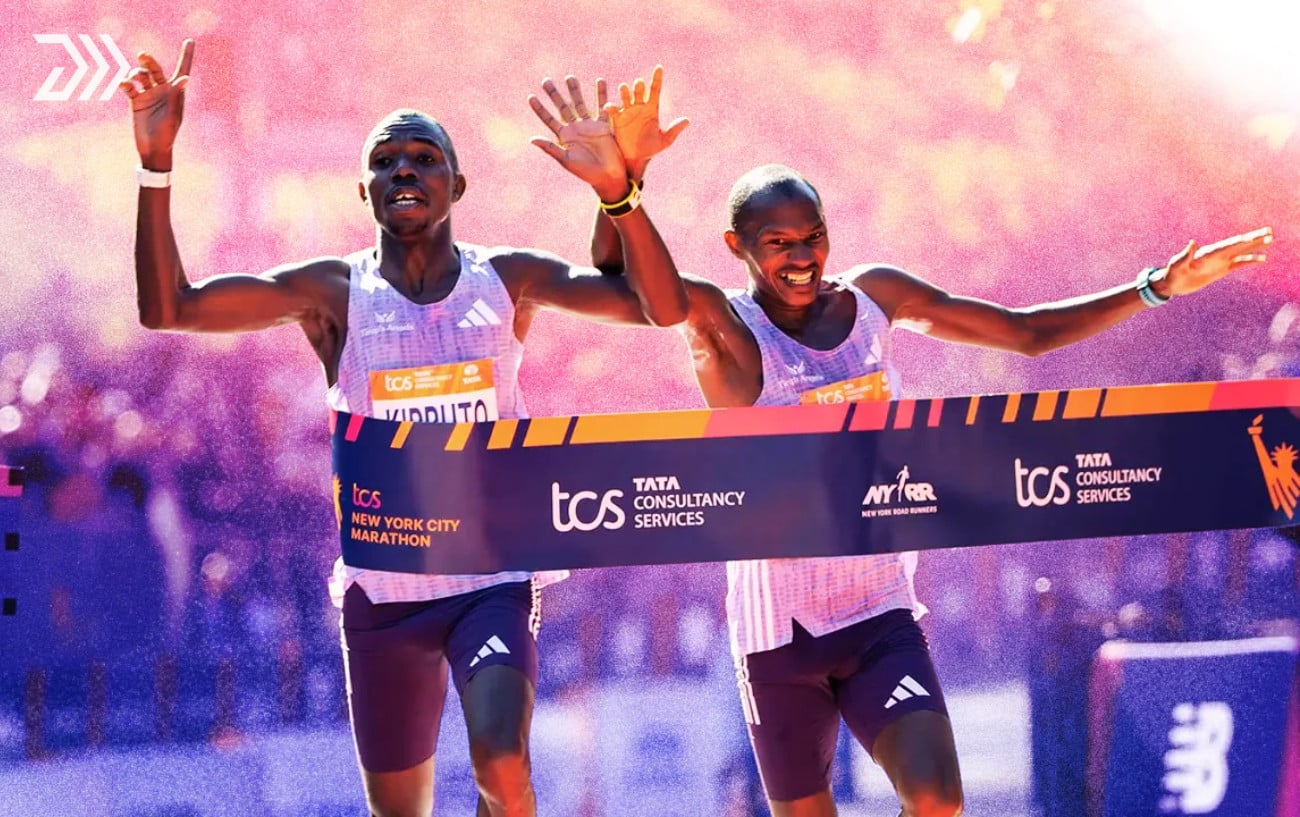
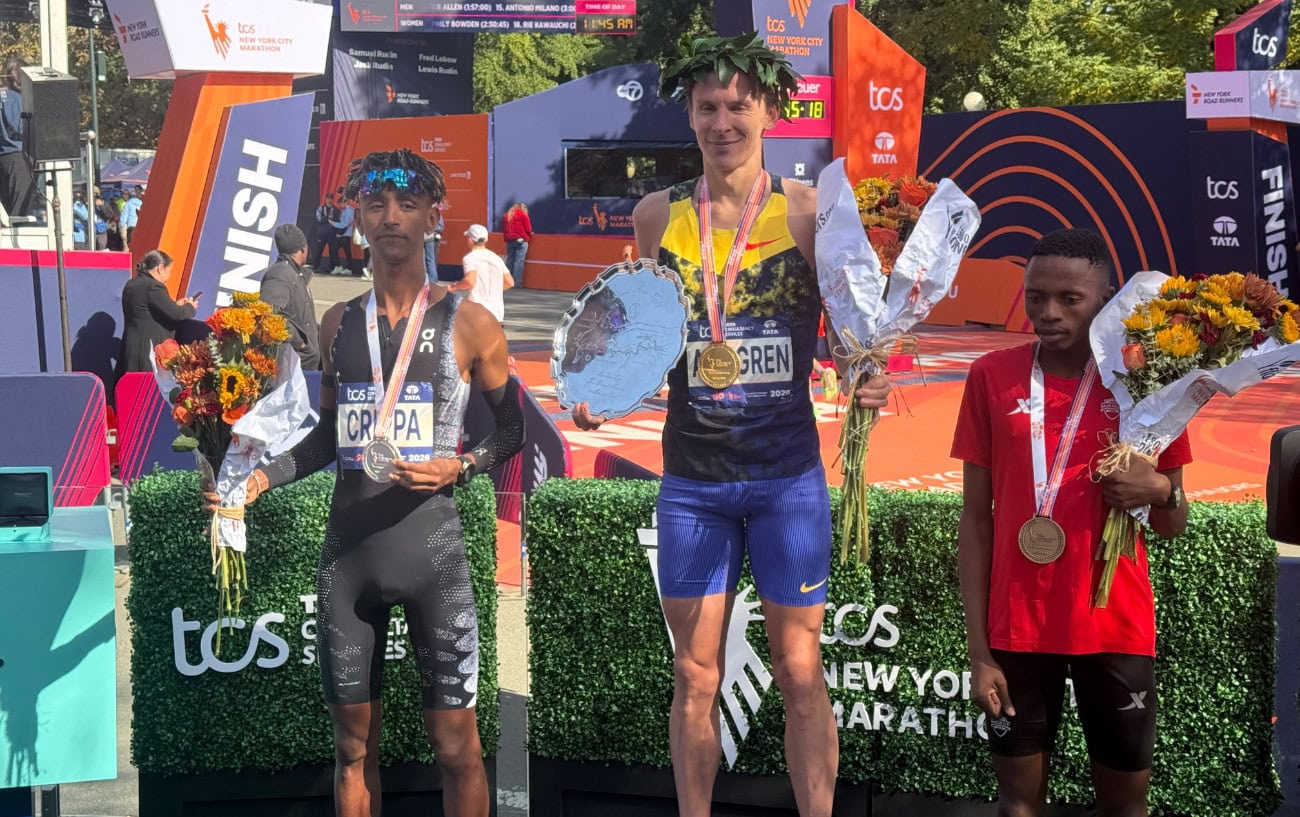
With a little over four miles to go in the New York City Marathon on Sunday, 10 men were running within a second of one another, and nobody watching could have said with any confidence who would win. Conner Mantz was at the front, Andreas Almgren was just over half a second behind him in his first marathon, and the defending champion, Benson Kipruto, was in there too. At 25 miles Almgren and Yemaneberhan Crippa still had the same time, and Almgren only won it with a 4:25 26th mile, building his entire 13-second margin over the last mile and a bit.
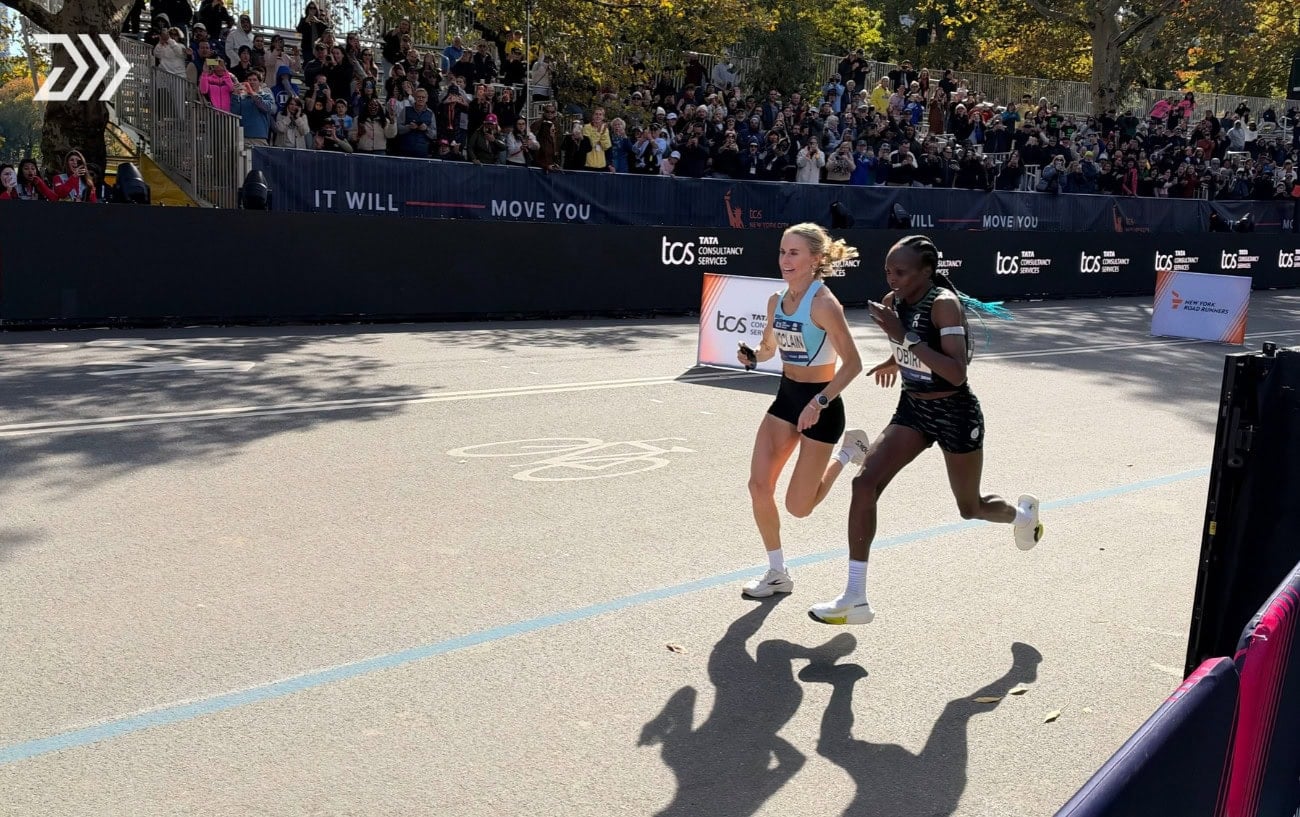
In the women’s race, Sheila Chepkirui and Hellen Obiri had broken away together by 40K, but Jessica McClain, 3.4 seconds behind them, kept coming, and she caught Obiri on the rise in the final 200 meters. Seven seconds covered the podium, and only four-tenths of a second separated second from third.
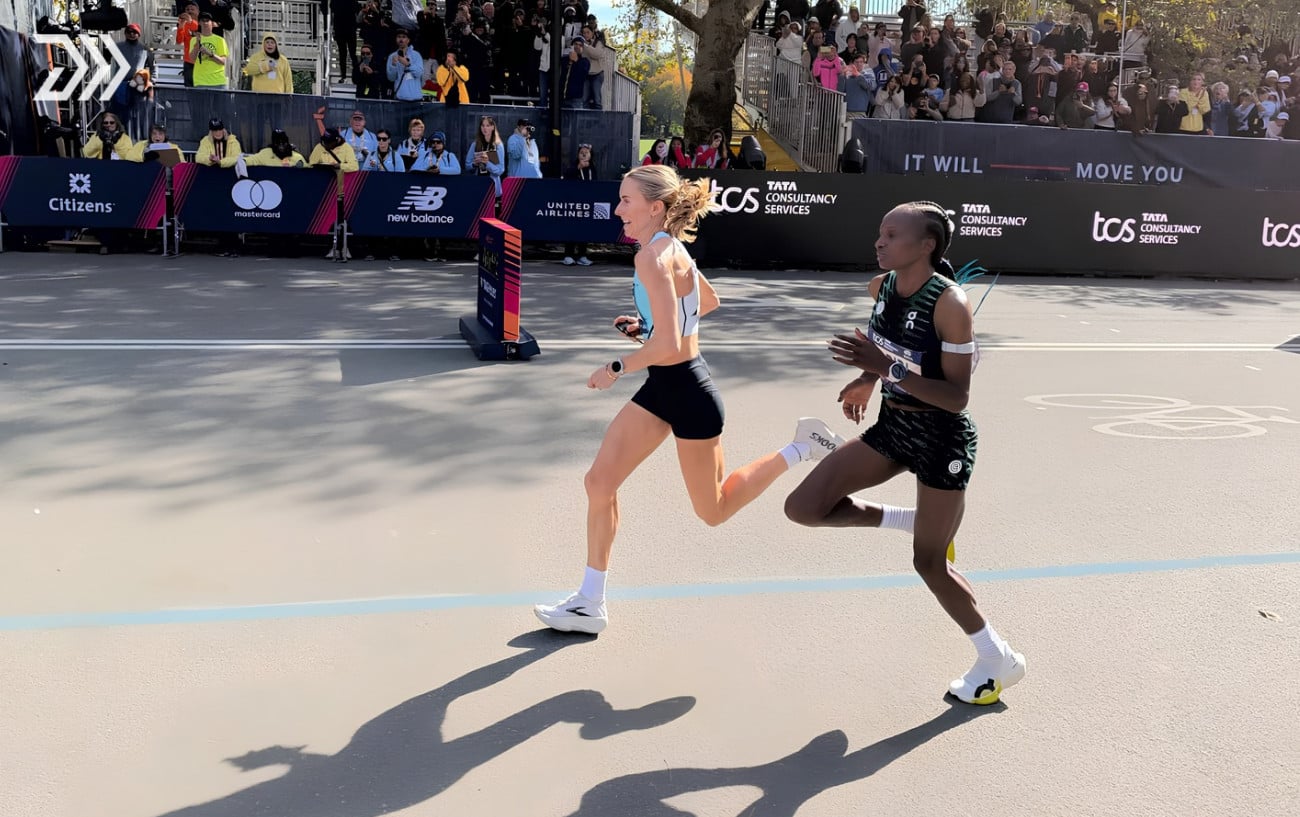
There were no pacemakers in either race, and that is the reason it was such a good morning of sport. The athletes had to decide for themselves when to go and who to cover, and what we watched was a group of people racing each other rather than a group of people racing a schedule. The marathon is at its best when it looks like that, and the sport should be staging far more races that do.
In Berlin on Sept. 27, the first of this fall’s two fast-course majors, race director Mark Milde wanted the front group paced towards 2:01, and Guye Adola broke clear after 25K and won by 29 seconds in 2:02:50. In Chicago two weeks later, Amos Kipruto left Jacob Kiplimo behind between 30K and 35K and finished in 2:01:09, almost two minutes ahead of the runner-up. Both were outstanding runs, and Chicago’s women’s race, where Hawi Feysa and Sharon Lokedi were side by side until 40K, shows that a fast race can still produce a finish. Over the last 12K of the men’s race in each city, though, the only opponent left was the clock, and the question on the broadcast was how fast the winner would run.

A race without rabbits asks who will win instead, and it tends to keep the answer back until the very end. A year ago in New York, Benson Kipruto beat Alexander Mutiso in a sprint down the finishing straight by three-hundredths of a second, with both men given 2:08:09. At the Paris Olympics in 2024, on a course with a steep climb at 29K, Sifan Hassan beat Tigst Assefa by three seconds in 2:22:55 in a bumpy finish after the two made contact late in the race. Those are the marathon finishes people still talk about, and none of them had a pacer anywhere near the front.
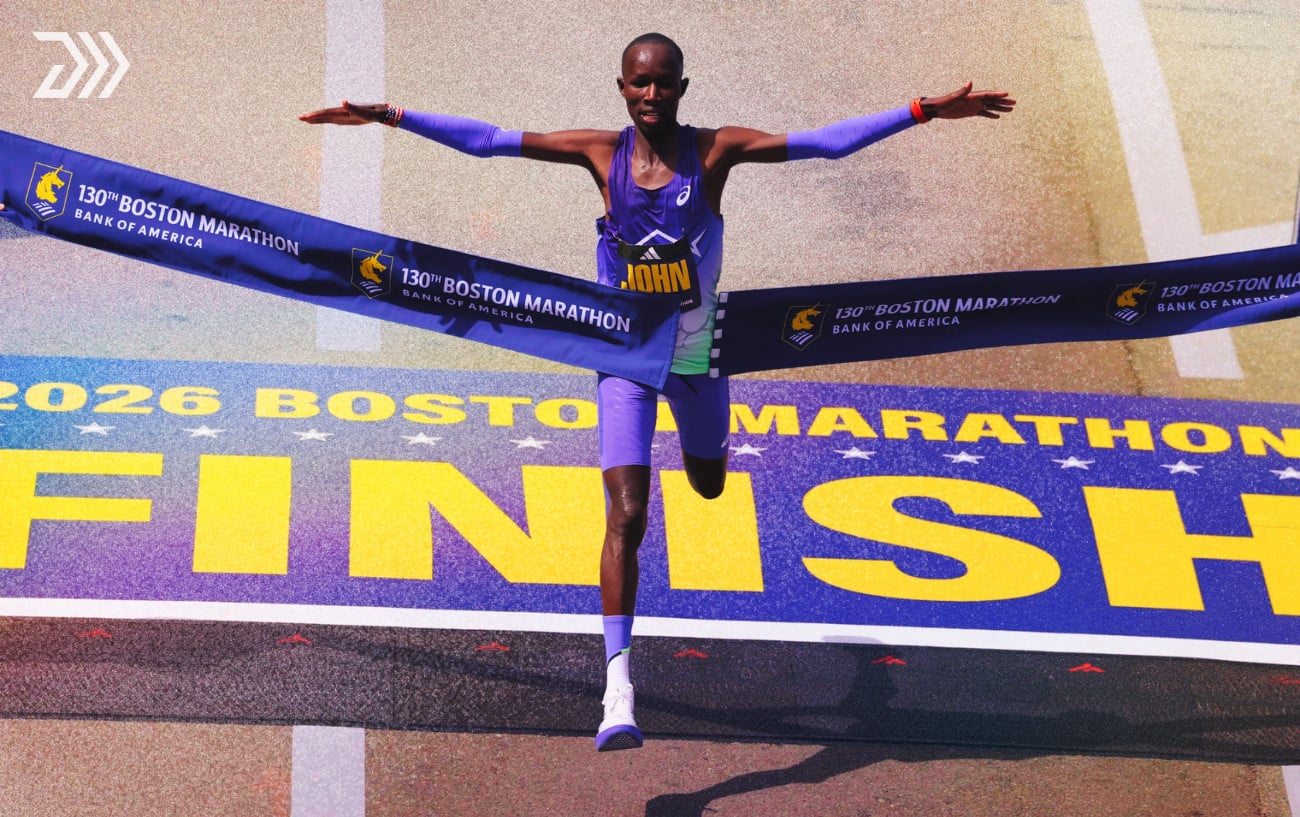
Hills, bridges and long drags do a lot of the same work, giving athletes somewhere to attack and making the race look different from one mile to the next. In Boston in April, John Korir made his move in the Newton hills and ran the 21st mile, over Heartbreak Hill, in 4:42 to open a 22-second lead. In New York, it was the long climb up Fifth Avenue that finally broke up the men’s group.
A 2019 study of pacing at the six majors, by José Joaquín Díaz and colleagues in Frontiers in Sports and Active Living, found that New York was the only one where winners consistently ran the second half faster than the first, which is what you would expect when the leaders are holding something back for the bridges and the park and choosing their own moment to use it.
Fast times are how a lot of professional runners get paid, through contracts, time bonuses and appearance fees, and that is the best case for pacemakers, and a fair one. A race built around a record is a real spectacle on its own terms, Berlin exists for exactly that kind of morning, and the sport would be poorer without it. Running without pacers doesn’t have to mean running slowly, either. Korir won Boston in 2:01:52, more than a minute under the course record Geoffrey Mutai had held since 2011, and with a steady tailwind behind them, 13 men broke 2:06 that day, which LetsRun pointed out was more than had done it in the previous 129 years of the race combined. What none of them got was a time that counts, because World Athletics doesn’t accept results from a point-to-point course like Boston for records or personal bests. That is a real cost for a professional, and the strongest argument against asking more of them to give up a paced, record-eligible course.
Among the majors, though, Boston and New York are the races known for leaving their elite athletes to sort it out, and beyond them the unpaced marathon is mostly something we get at an Olympics or a world championships. Chicago did try it, when race director Carey Pinkowski took pacemakers out of the elite race in 2015. “I think we got away from what the essence of what competition is,” he said, Race Results Weekly reported at the time. The race brought them back for 2018, and this year’s 2:01:09 was the second-fastest winning time in its history.
A race could still have some of both by pulling its pacers at halfway, running one year in three as a straight race, or putting serious prize money on head-to-head placings rather than on the clock. Any of those would cost a few seconds and give back something a 2:01 behind a line of rabbits can’t, which is the sense that anything could still happen with a mile to go.
Most of us who race marathons know that feeling from further back in the field, with somebody a few yards ahead in the last 10K and nothing mattering except whether we can get past them. On Sunday the professionals in New York got to race like that too, and it was the best thing we watched all fall. The next chance to see it at a major is Boston on April 19, when there will again be no pacemakers in the elite fields.
RunClub
Get more running stories — join RunClub
Daily running news, a community of 300,000+ runners, free training plans for every distance, and a daily running game. Free to join — no card.
Already a member? Log in →




Start the conversation