


CoQ10 is an enzyme that sits inside the mitochondria, helps shuttle electrons, and has antioxidant properties. Ubiquinol (the reduced form of CoQ10) is more bioavailable than the other form, ubiquinone. On paper, that makes it an appealing endurance supplement.
A new randomized study1Acton, J. P., Alsharif, N. S., Bond, J. W., Cocksedge, S. P., Mclellan, A. G., Peden, D. L., Funnell, M. P., Dugdale, H. F., James, L. J., Ferguson, R. A., Clifford, T., & Bailey, S. J. (2026). Effect of six weeks ubiquinol supplementation on mitochondrial respiratory function and exercise capacity in healthy males. European Journal of Applied Physiology, 10.1007/s00421-02606275-w. https://doi.org/10.1007/s00421-026-06275-w tested whether six weeks of ubiquinol supplementation could improve mitochondrial function and severe-intensity exercise capacity. Fifty-four healthy, recreationally active men were randomized to either 300 mg per day of ubiquinol or placebo for six weeks. The dose was split into three 100 mg servings with meals.

Before and after supplementation, participants completed severe-intensity cycling tests to exhaustion. A smaller group also underwent muscle biopsies to measure mitochondrial function, mitochondrial proteins, mitochondrial enzyme activity, and markers of mitochondrial “leak” (think of it as energy inefficiency).
- The supplement clearly did what it was supposed to do in the blood. Total plasma CoQ10 levels increased in the ubiquinol group, whereas the placebo group remained essentially unchanged.
- Ubiquinol improved oxidative phosphorylation efficiency—more efficient linking of oxygen use to ATP (energy) production.
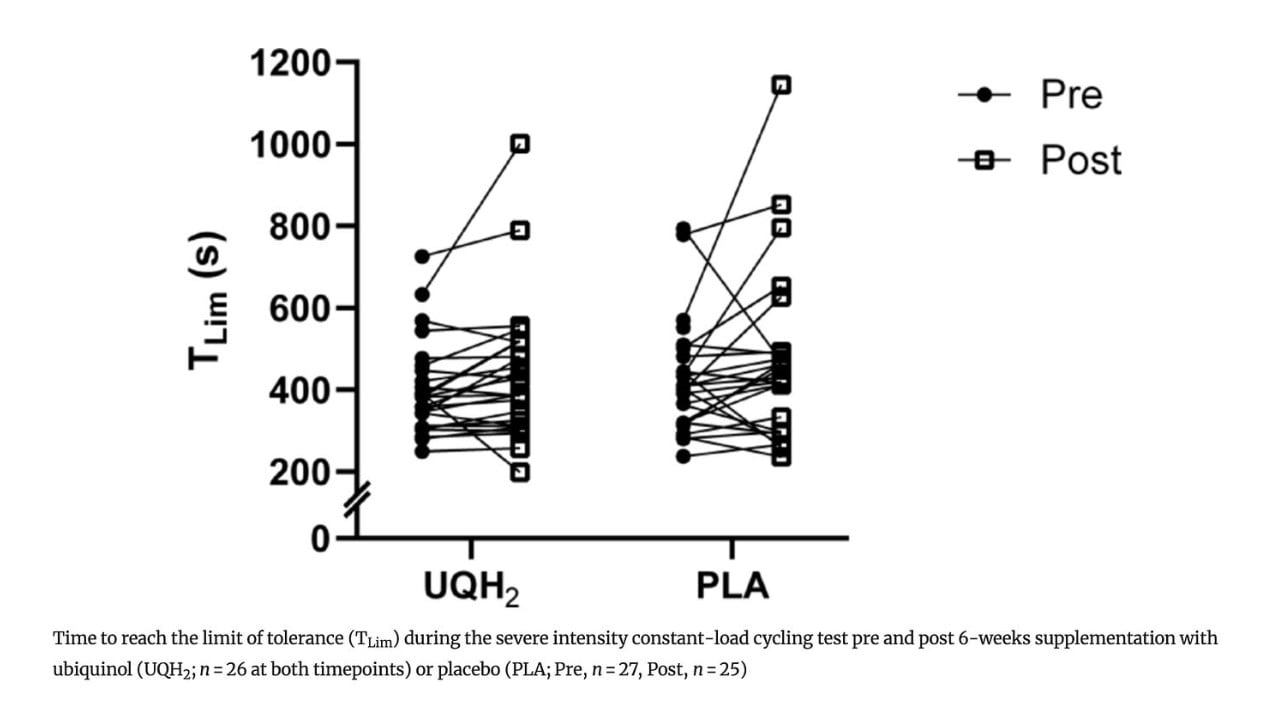
- Despite improved mitochondrial coupling efficiency, ubiquinol did not increase time to exhaustion during severe-intensity cycling. It also did not improve oxygen uptake at the end of exercise, mitochondrial enzyme activity, or mitochondrial proteins.
This is a classic example of why supplement studies need performance outcomes. A supplement can shift a biological marker and still not make you faster, more durable, or better recovered.
What this means for runners
I would not consider ubiquinol or CoQ10 a reliable endurance-performance supplement based on this study. It may improve some markers of mitochondrial efficiency, but in healthy recreationally active men, that did not translate into better exercise capacity. If you are deciding where to spend money for performance, training consistency, carbohydrate availability, sleep, strength training, and race-specific workouts are still much higher on the list.
References
RunClub — Free
Join 300,000+ runners in RunClub
Free training plans for every distance, a daily running game, exclusive coaching content, and a real community of runners. Create your free account in 20 seconds — no card.
Already a member? Log in →











Start the conversation