


For years, researchers have known that marathons cause temporary spikes in biomarkers of organ stress—things like creatinine (a kidney function marker) and gut cell damage. But most studies haven’t measured these changes before and after a marathon under real-world race conditions. And the role of hydration—or sex differences—has remained murky.
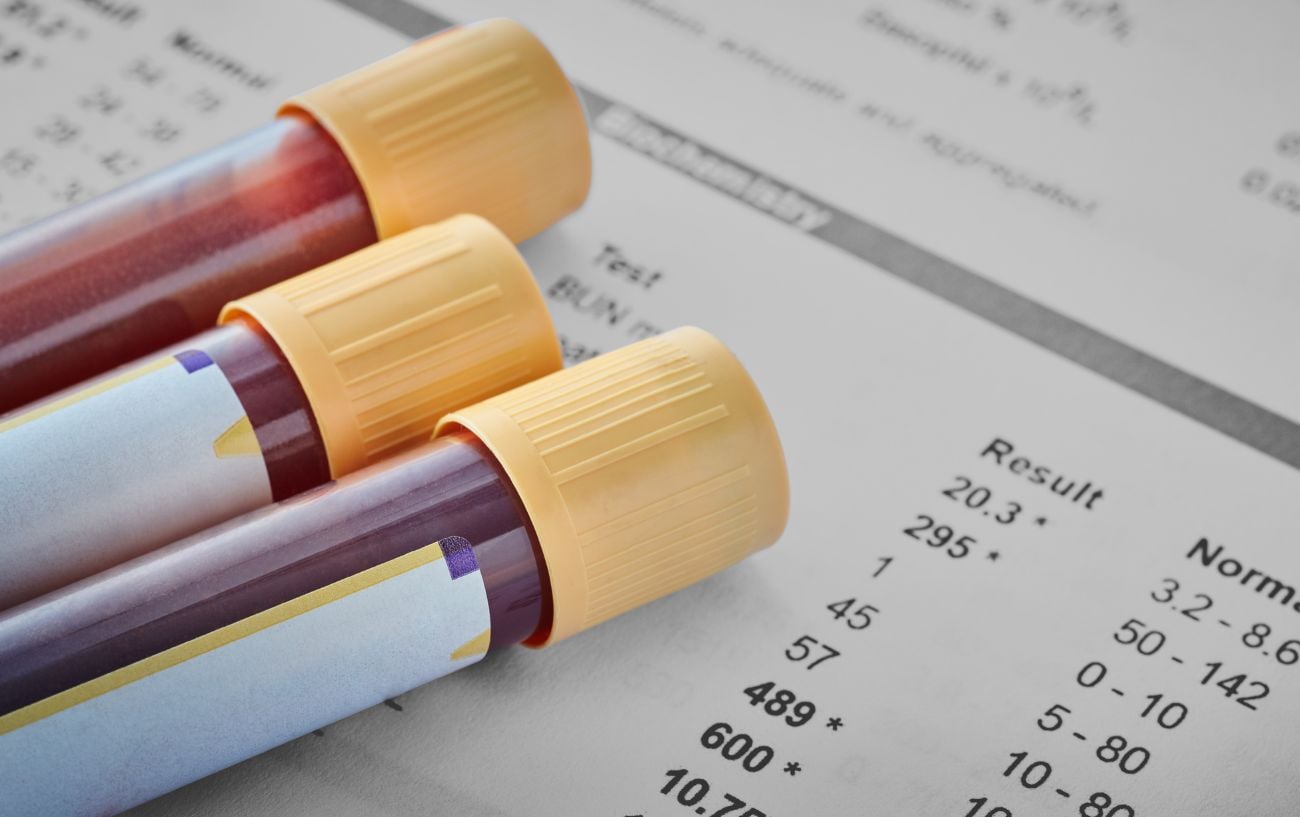
A new study from researchers at the University of Arkansas and collaborators set out to investigate this further. The researchers collected blood and urine from 72 Boston Marathon finishers in 2024—half male, half female, with an average age of 50 and a finish time around 3:45. Participants provided baseline blood samples at the race expo and urine samples before and after the marathon or an analysis of markers of gut injury, kidney stress, muscle damage (i.e., creatine kinase), and hydration. They also compared responses between males vs. females and runners who stayed hydrated or finished the race dehydrated.
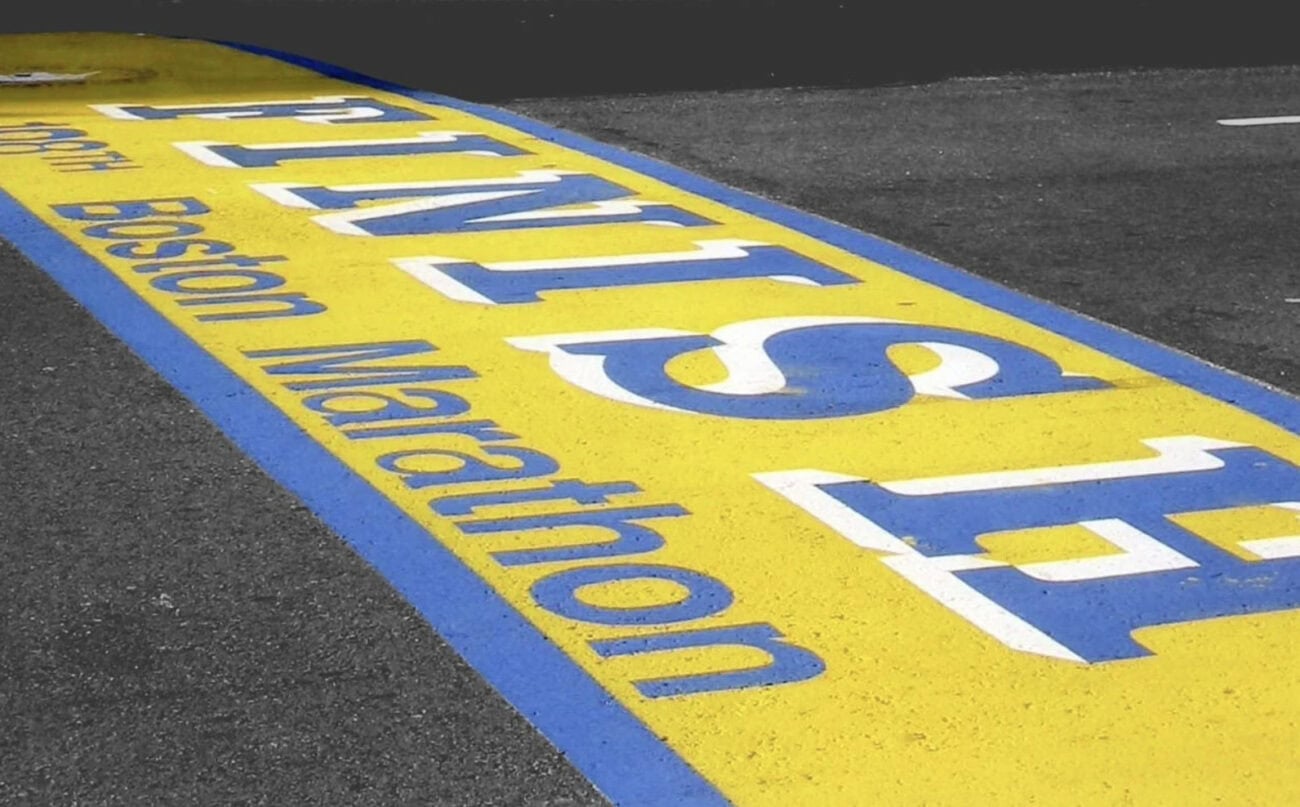
The 2024 race was mild by Boston standards: 19°C (66°F) and 47% humidity, warm enough to pose a heat load but not extreme. Still, the results showed that marathon running—even in moderate conditions—places an enormous stress on key organ systems.
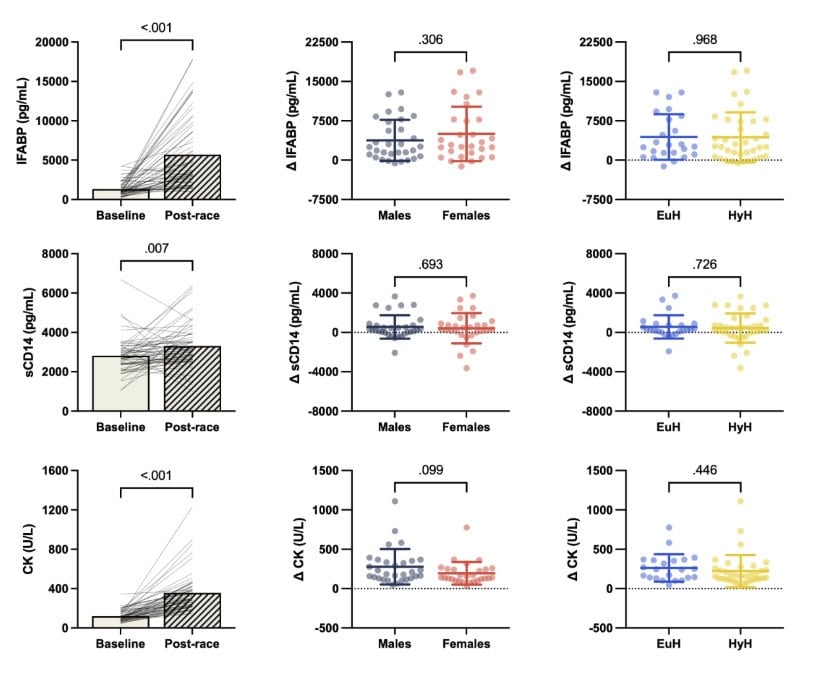
Every single organ stress marker spiked significantly after the marathon. Kidney stress markers rose sharply—88% of runners exceeded the clinical threshold for acute kidney injury risk, and 96% showed a creatinine rise of at least 0.30 mg/dL, levels that would raise red flags in a medical setting.
Gut injury markers also increased, with three-quarters of runners exceeding the clinical threshold for intestinal cell injury. Creatine kinase (the marker of muscle damage) also rose, confirming substantial muscular stress (probably from Boston’s downhill segments). Despite measurable shifts in hydration markers, only about a third of runners were technically dehydrated, and hydration status didn’t alter the organ stress responses.
Neither sex nor age influenced the results, and finish time didn’t predict biomarker changes either. Interestingly, gastrointestinal symptoms like nausea or cramps didn’t correlate with these biomarker spikes, showing that the gut can sustain injury even without obvious discomfort.
What this means for runners
Even when conditions are moderate and hydration is well managed, the marathon is a whole-body stress test that transiently injures the kidneys, gut, and muscles. Hydration alone doesn’t prevent these effects, suggesting that reduced blood flow and heat strain are major contributors to organ stress. While these changes typically resolve within 24–48 hours, they highlight the need for true recovery after a marathon—especially avoiding back-to-back hard efforts or races in hot environments. Runners should view their post-race recovery as more than muscle repair; it’s an opportunity to let your internal systems rebound.
More Durable Runners Do This During a Marathon

What’s actually happening to your running mechanics when fatigue sets in?
A new study in the Journal of Sports Sciences dives deep into that question, linking physiological durability (aka physiological resilience) to real-time biomechanical data from marathoners using wearable tech. The researchers used a foot-mounted accelerometer (the Stryd pod) and heart rate monitors to collect continuous data on 69 runners (average age 44) during certified marathons. They examined how gait mechanics—like step length, frequency, vertical oscillation, stiffness, and duty factor (time spent on the ground)—changed across the race, and whether these shifts were tied to “decoupling,” or the growing mismatch between heart rate and running speed that signals mounting fatigue.
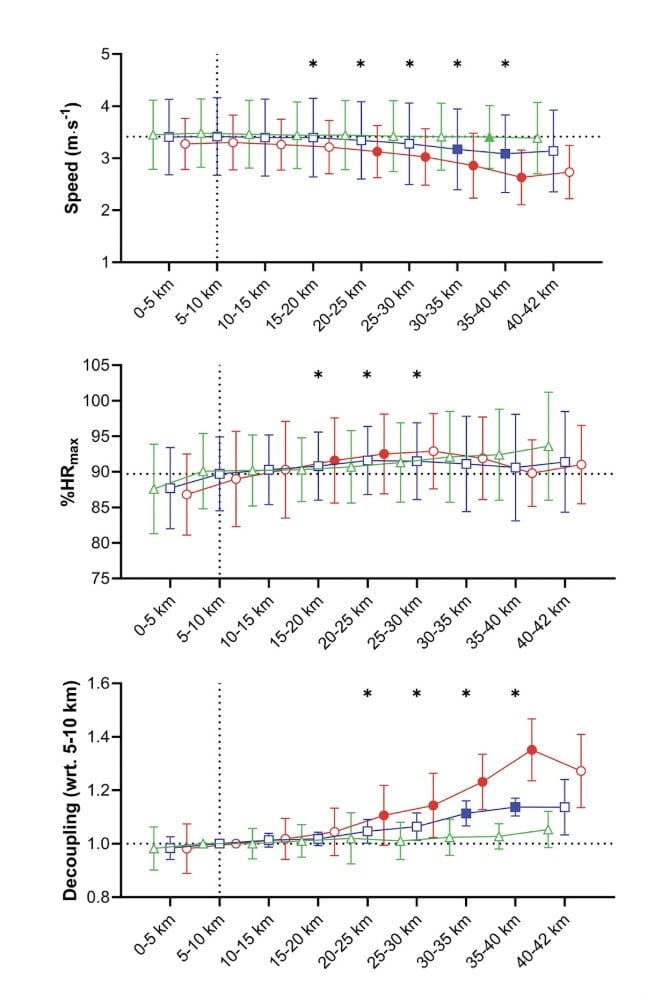
Durability was quantified as the ratio between internal load (heart rate) and external load (grade-adjusted speed). Runners were divided into low, moderate, and high decoupling groups based on how much this ratio drifted by 35–40 km relative to 5–10 km. In simpler terms, low-decoupling runners were more durable—able to maintain pace without their heart rate spiking out of proportion.
Runners with higher decoupling—i.e., lower durability—showed more biomechanical deterioration across the marathon, but these differences mostly disappeared once the data were adjusted for speed. The implication: much of what looks like “form breakdown” late in a marathon simply reflects slowing down. Still, the most durable runners displayed a distinctive pattern even after accounting for speed. As fatigue mounted, they increased their step frequency slightly and shortened their step length, possibly as an energy-conserving adaptation. Less durable runners, by contrast, showed little change in cadence or form beyond what slowing speed explained.
On average, heart rate–speed decoupling began around 25 km, and all runners experienced some degree of drift (~15% by the end). Greater decoupling was associated with slower finish times and lower average speeds, reinforcing the idea that durability matters for performance. In all groups, leg stiffness and vertical oscillation decreased as the race went on, and duty factor (the fraction of each stride spent on the ground) increased—classic signs of fatigue and diminished force production. Interestingly, these biomechanical “breakpoints” occurred after the onset of decoupling, suggesting that physiological fatigue comes before visible gait changes rather than the other way around.
What this means for runners
Durability isn’t just about keeping your heart rate steady—it’s about how well your body maintains efficient mechanics under stress. For training, this reinforces the value of long runs and tempo efforts that build fatigue resistance, not just fitness, and of practicing efficient form at the end of tough runs when the body is breaking down.
Sleep and Rest Days Predict Injury Risk in Trail Runners

It’s no surprise that trail running carries a unique injury profile, but what’s less clear is why some runners manage to stay healthy and consistent while others battle recurring setbacks. Is it training volume, recovery, sleep, or pure bad luck?
A team from Lausanne University Hospital set out to tackle that question head-on. They analyzed data from 697 trail runners (two-thirds men, average age 42) who completed a detailed questionnaire on their training, recovery, lifestyle, and injury history. Rather than relying solely on correlations, the researchers used a more sophisticated approach to tease out which factors truly influence injury risk and performance, rather than simply coexist with them.
The survey captured nearly 100 variables spanning training load, sleep, body composition, and recovery habits. Sixteen different injury types were reported, ranging from ankle sprains and tendinopathies to stress fractures and IT band syndrome. Nearly 83% of men and 81% of women had experienced at least one injury in their lifetimes, and about 10–11% were currently dealing with an injury when surveyed. The most common offenders were ankle sprains (≈47%) and tendinopathies (≈44%), followed by muscle tears (~25%).
Injury risk rose with body weight—heavier runners, particularly women, were more likely to report current or past injuries. But perhaps the most interesting finding was the role of training and recovery habits. Runners who logged more weekly training hours, greater annual mileage, and higher elevation gain had a lower risk of injury. A consistent and substantial training load seemed to protect rather than harm. The same pattern held for both overuse and traumatic injuries.
Lifestyle variables mattered, too. Sleep and passive recovery—days off from training—were strongly protective against injury. Runners averaging seven to eight hours of sleep per night and at least one dedicated rest day per week were less likely to get hurt. Meanwhile, age, height, and number of past injuries were surprisingly weak predictors.
Performance data told a similar story. Faster runners were those who trained more, climbed more, and slept more. Performance improved with greater annual volume and elevation gain but dropped with age, weight, and height. The authors note that they couldn’t pinpoint a clear threshold—meaning more training helped up to a point, but they didn’t have enough elite-level data to identify when “more” might become too much.
What this means for runners
This study flips a common assumption on its head: more training isn’t necessarily more dangerous, as long as it’s balanced with recovery and sleep. Trail runners who train consistently across varied terrain, maintain sufficient weekly volume, and prioritize rest days and adequate sleep appear to perform better and sustain fewer injuries. In contrast, sporadic training or inadequate recovery may leave the body less resilient to the stresses of trail running. For most runners, the path to longevity is about training smart, recovering deliberately, and building durability over time.
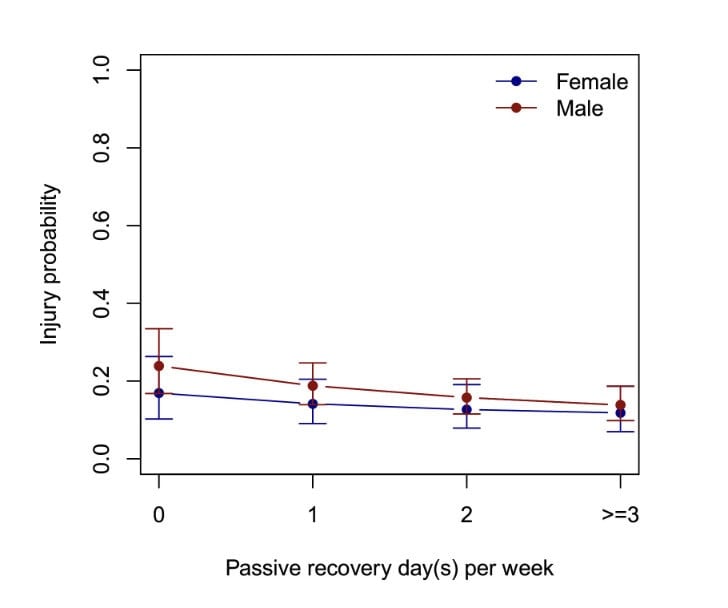







The confidence intervals overlap. The study is underpowered, meaning the sample size is too small to rule out results being due to chance alone. The study also shows recall bias (people with injuries may recall their past training differently than others) and self-selection bias (those who chose to respond to this anonymous survey may differ from those who ignored it.) Apologies to the people who wrote this paper, but it’s junk.