


The recent outpouring of appreciation for Coach Frank Gagliano after his death (see here and here) made me reflect on what coaches mean. What do they contribute to our lives? How?
To explore this topic, I contacted a handful of runners to ask if they ever had a special coach. All said yes, then told me more about their coach. I also wrote briefly about the high school coach who set me on my life’s path.
I’m guessing that many readers of this article also had coaches who meant a great deal. Think back to them and be thankful as you read these reflections. Also, consider leaving a memory or two in the comments section below.
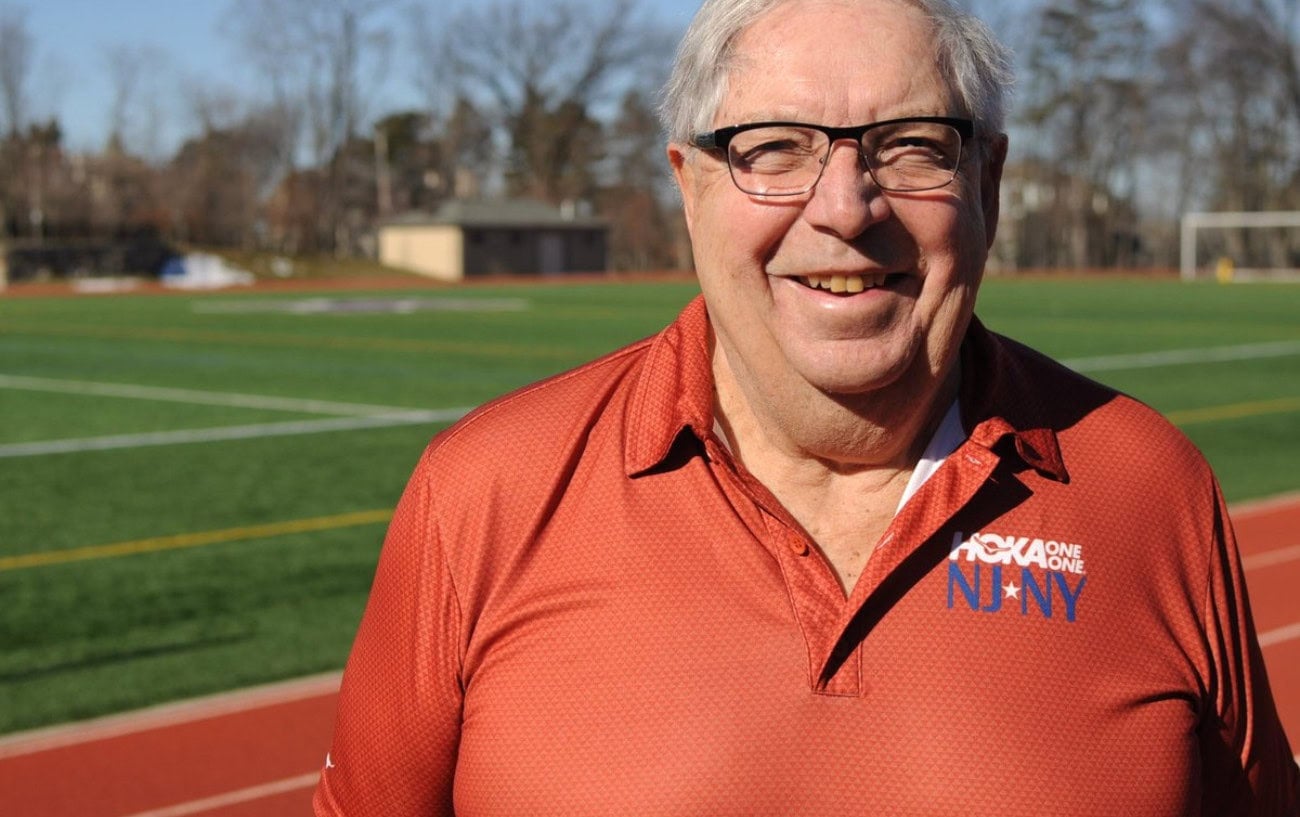
Coach Frank Gagliano: “He Had the Physique of a Former Football Player”
Athlete: Jim Butler. (I begin with Butler, one of my all-time best training partners, because he actually ran for Gagliano, but not as an elite performer. At Rutgers University in the early 1970s, Butler was “in the second 12” by his own admission. Later he ran a 2:36:50 in the Boston Marathon, and coached at Division III Connecticut College for 30 years.)
Coach: Frank Gagliano
What did you learn from Gagliano? Gags gave all these athletes the sense that they were important, both as individuals and as contributors to the team’s success. He could be gruff at times and had the physique of a former football player, but we quickly realized he was warm and witty and actually cared about our academic and personal lives. That made a huge difference when you were in the middle of a hard interval workout, and Gags was yelling, “Pick it up. Pick it up.”
What was his coaching style? Gags was the epitome of a larger-than-life, very positive personality. He convinced us that we could achieve bigger things than we imagined on our own. He challenged us to work hard in training and promised it would make us faster. It did.
What do you think is most important in a coach? A coach has to connect and communicate with their athletes. They need to build a relationship based on trust, respect, and shared enthusiasm. A coach has to be understanding, empathetic, and flexible. Gags somehow combined all of these qualities. He was memorable.
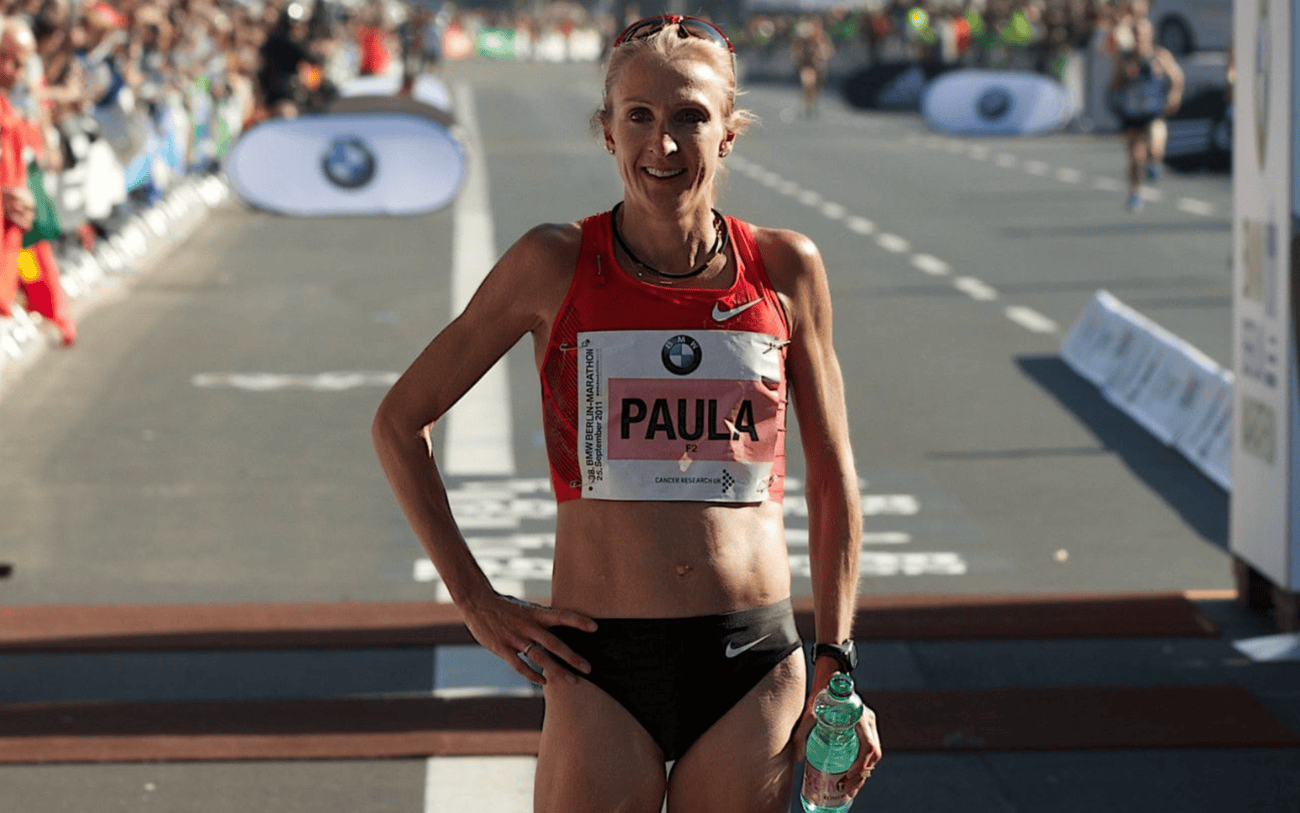
Coach Alex Stanton: “He Saw Every Runner as an Individual”
Athlete: Paula Radcliffe, former world record holder in the women’s marathon
Coach: Alex Stanton and his wife, Rosemary, who began coaching Radcliffe when she was 11
What did you learn from Stanton? He taught me so many things. He taught me how to think and react within a race, how to run to my strengths, and how to work toward goals. We worked on my dream and realistic goals. He would have me write down targets at the beginning of each year; some took forever to reach, but we kept after them.
He also taught me to think long-term and to work around difficulties and setbacks. Another key lesson was to listen to your instincts and trust your gut. A big part of our training was without the watch. He taught me how to get really in tune with my body.
What was his coaching style? He conveyed some of these running skills, some by explaining them and others by example. He would also reiterate that balance, happiness, and education outside of running would bring results. He encouraged us to discuss our worries and doubts out loud.
What do you think is most important in a coach? The biggest lesson is that we never know it all, and we can always learn. I remember Alex studying books and chatting for hours with legendary coaches like Peter Coe, Harry Wilson, Frank Horwill, and George Gandy.
Alex would then assess each idea individually to see how it might work with his different athletes. He coached a large group of girls and women, and we each got a slightly different schedule. This was his greatest strength: seeing each of us as an individual, and treating all with great empathy.
He retired from coaching only last year at the age of 90 and still takes a keen interest in the sport. He is a very special man indeed who has meant a great deal to me and many others.
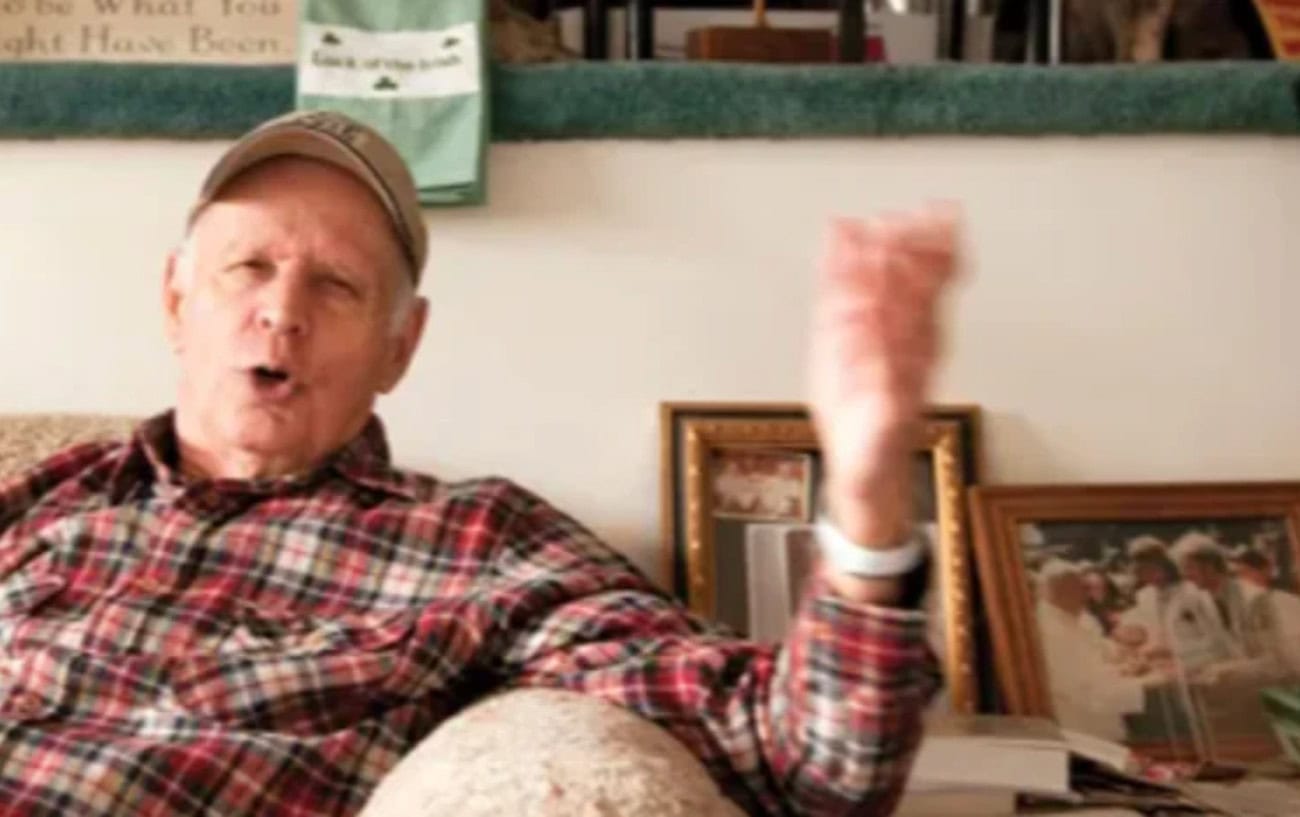
Coach Bill Squires: “He Was Just So Passionate About Running and the Marathon”
Athlete: Bill Rodgers, four-time winner of the Boston Marathon and the NYC Marathon
Coach: Bill Squires
What did you learn from Squires? For me and a lot of the runners at the Greater Boston Track Club, I think we succeeded because we had so much fun being around Squires. He had so much energy, but he was a little wacky too. Sometimes he’d be running around the track, timing so many different groups, fast and slow, that he couldn’t really keep up with our splits. He’d give us times that we knew were off, but we didn’t care. We were just having so much fun watching him and his antics.
What was his coaching style? Squires had an approach that inspired his athletes. He was just so passionate about running and the marathon. He lived and breathed the sport and put so much energy into everything he did: his coaching and his runners. Sometimes on road trips, he’d sleep in the bathtub, so we could have the beds.
He was a master at combining track and road work. We might start on the track with a fast mile, then go out on a long road run with fartlek pickups, then finish back on the track with another mile. Or we’d run repetitions up Heartbreak Hill and then finish on the track.
What do you think is most important in a coach? You have to make it fun, and keep your athletes loose. Squires did that. He pulled us all together. We knew he was a great runner at Notre Dame, and that inspired us to believe we could be great also. I couldn’t imagine a successful Greater Boston Track Club without him at the center.
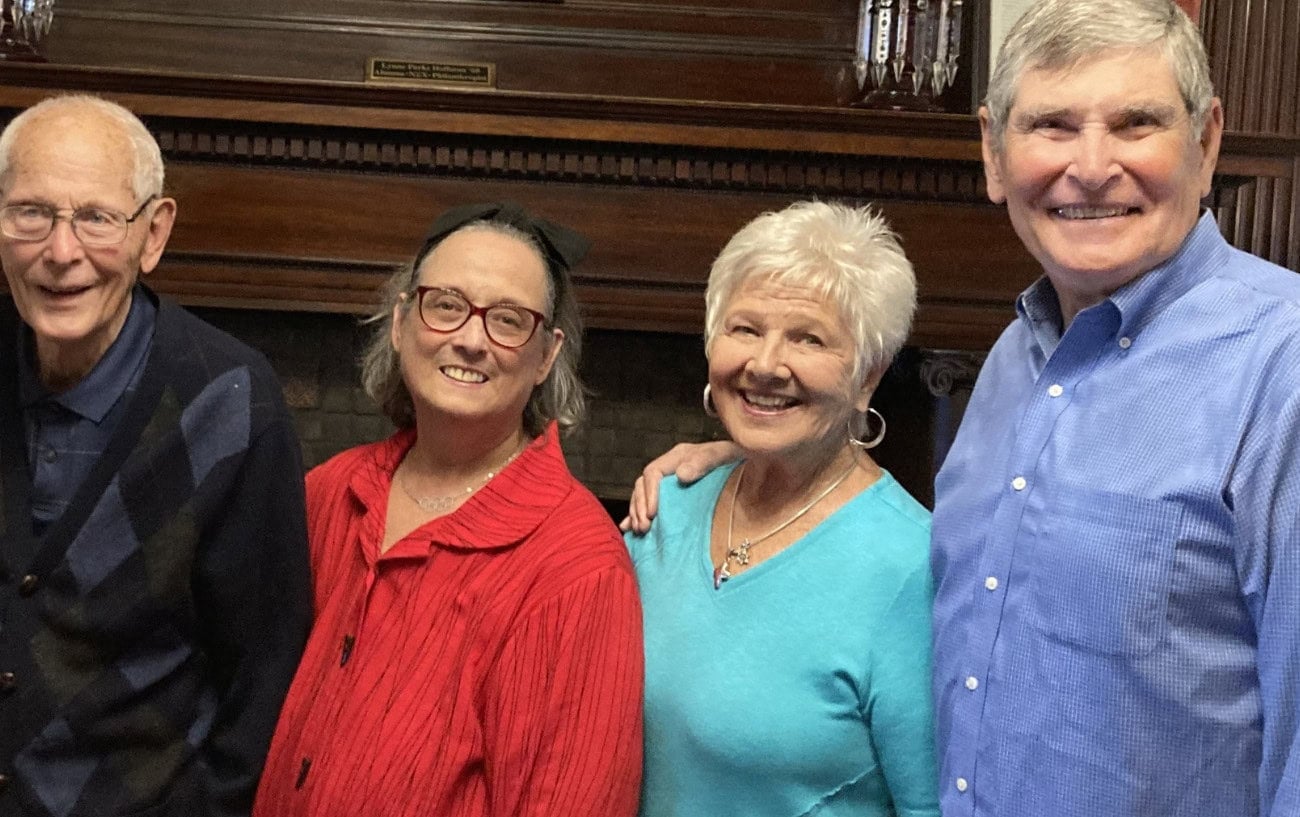
Coach Jack Daniels: “We Want the Maximum Benefit from the Least Discomfort”
Athlete: Tom McGlynn, three-time Olympic Marathon Trials qualifier and founder of RunCoach.com
Coach: McGlynn’s post-collegiate coach, Jack Daniels
What did you learn from Daniels? More than anything, Jack always had a reason. He was the most scientifically driven running coach I ever met. Jack never left anything to chance and always followed the science, which gave me and others tremendous confidence in our training.
What was his coaching style? Jack used stories and infinite athlete data points. He told me about Bob Schul’s low max heart rate in testing (168 beats per minute at his peak, I believe). Likewise, he knew an Olympic athlete who could reach almost 220 bpm. I believe Frank Shorter was up around 200, which also defies the formula.
With Jack, you could ask a follow-up question, and instead of getting a “Well, I think…” response, he always cited a study, test, theorem, or other reference. In the several years I worked with Jack, I probably asked him 100 questions or more, and he cited sources for every answer. I believe his wellspring of wisdom came from his deep commitment to science, research, and learning. It was and remains truly inspirational.
What do you think is most important in a coach? I think the most important thing about a coach is flexibility and listening. While Jack was the most scientific coach I ever met, he still followed a golden rule: “We want the maximum benefit from the least discomfort.” That’s a somewhat paradoxical statement, but Jack understood the strain and accumulated stress of running, and knew how to focus on performance. He was a father figure to all his athletes and earned their trust accordingly.
Coach Jay Getty: “He Doesn’t Obsess Over the Minutiae”
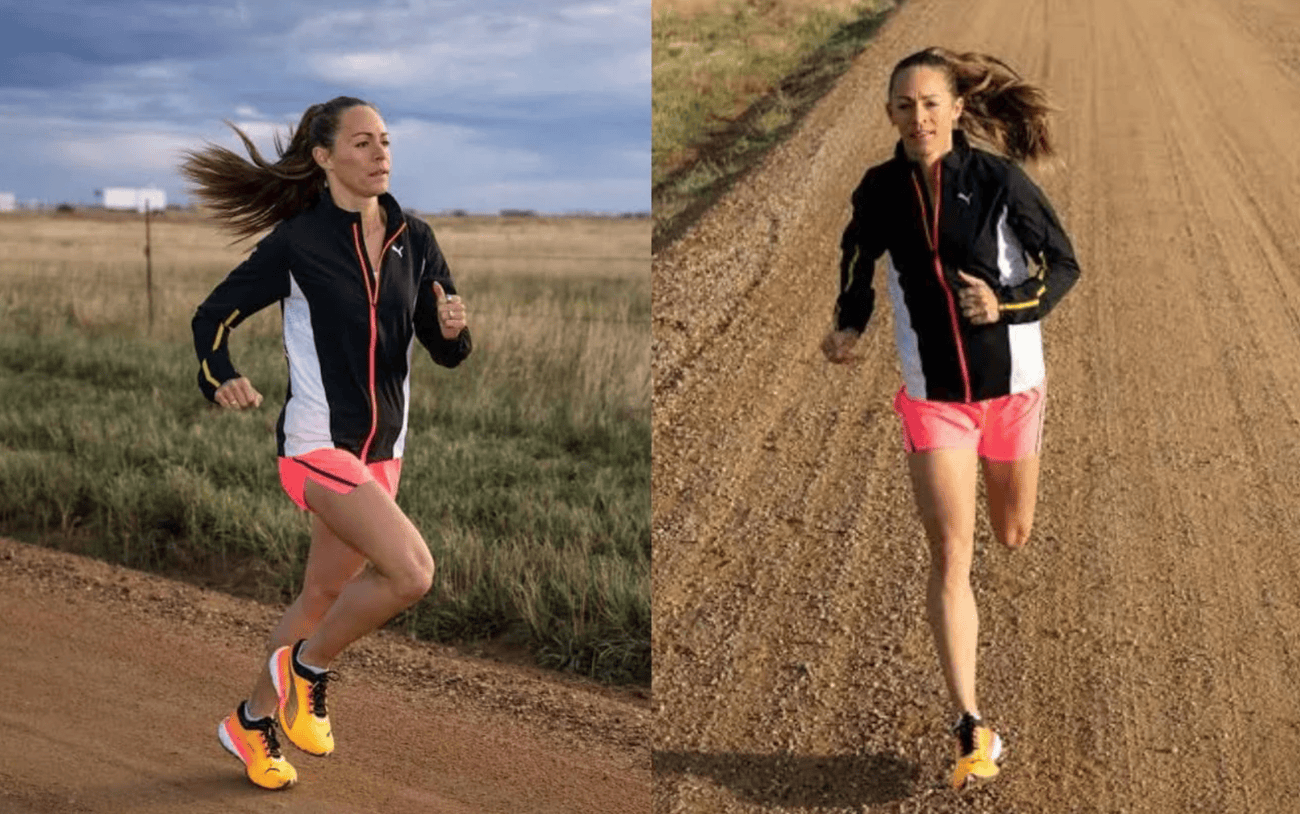
Athlete: Jenny Simpson, U.S. middle-distance star for more than a decade
Coach: Simpson’s high school coach, Jay Getty
What did you learn from Getty? Jay was my high school coach. He taught me to focus on myself and believe in what I am capable of. When I approach the start line of a race, I’m not thinking about how good my competitors are or how hard it will be to beat them. I’m completely focused on what I know: how ready I am. I learned that from Jay.
What was his coaching style? What makes Jay such an incredible coach is that he himself doesn’t get distracted by the sport. He concentrates on the athlete. He doesn’t obsess over the minutiae of training philosophies or scouting the competition. He always keeps his attention on the human in front of him. He focuses on developing character and confidence. That makes his runners not only better competitors but also better people.
What do you think is most important in a coach? A coach should develop your love of the sport and also build your confidence. That’s what Jay did for me.
I’m grateful that I later had coaches who worked on performance optimization. But I will always believe I couldn’t have kept improving in the sport without the foundation I gained from Jay, who never interfered when I moved on to new coaches. He became my new team’s biggest fan.
Jay remains my closest friend from all my years in running. We text almost every day. I can’t imagine my world without the role he played in it.
Coach John J. Kelley: “No Rules, Systems, or a Sure Path to Success”
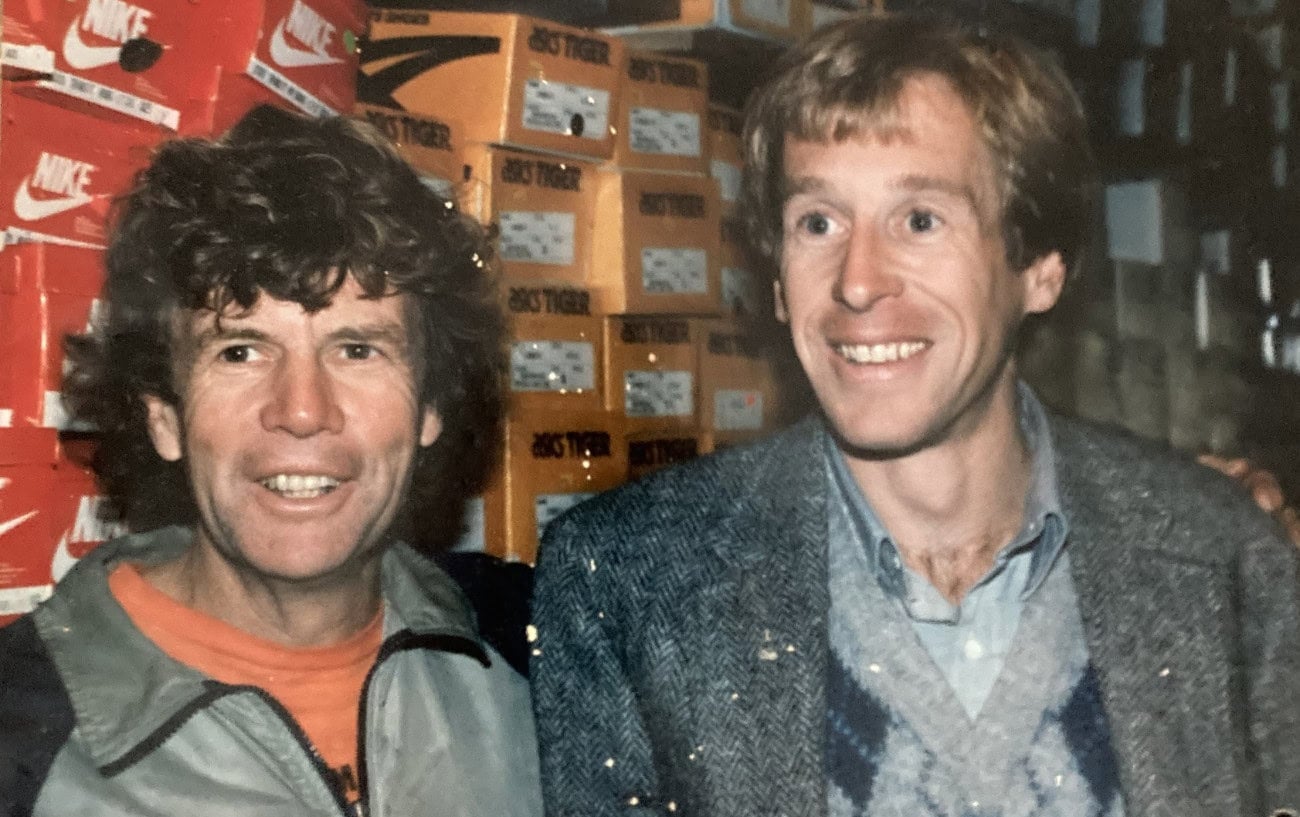
Athlete: Amby Burfoot, 1968 Boston Marathon winner (and author of this article)
Coach: My high school coach, John J. Kelley, winner of the 1957 Boston Marathon, eight consecutive National Marathon Championships, and a two-time Olympic marathoner
What did you learn from Kelley? Kelley wasn’t a great coach in the traditional manner of writing workouts and seasonal goals. He was more like a life coach. He taught me that every day is a gift, that the natural world is a miracle, and that humans are members of the animal kingdom like all other animals, only with a bigger brain (and then he’d remark that there wasn’t a lot of evidence that bigger was better, not if you considered endless wars, ecological devastation, and so on). He also taught me that we all have a chance to pursue our dreams in sports, the arts, the sciences, or our chosen field, and that we gain the most satisfaction and meaning when we pursue our path passionately.
What was his coaching style? Kelley didn’t teach rules, systems, or a sure path to success. He didn’t believe in monolithic approaches. To this day, I’m not sure I can quote a single running “rule” that he taught me. Maybe just Thoreau: “Simplicity, simplicity, simplicity! Let your affairs be as two or three, and not a hundred or a thousand.” Everything I ever learned from Kelley came from observation of his personal behavior: acceptance, warmth, inclusion, encouragement, enthusiasm, dedication, and persistence.
What do you think is most important in a coach? I realize that you don’t have to be a serious runner to be a great running coach, but I think it helps. You don’t have to be fast or an Olympian, but you have to understand running at its deepest level, which is achieved through your own personal experiences as a dedicated athlete. Knowledge and communication are great, and a positive psychology is crucial. But role modeling is even better. Kelley was a role model.
RunClub — Free
Join 300,000+ runners in RunClub
Free training plans for every distance, a daily running game, exclusive coaching content, and a real community of runners. Create your free account in 20 seconds — no card.
Already a member? Log in →






Start the conversation