



Most of the time, we think of running as something personal. It is our space, our race, our health insurance, our retreat. Then, somewhere along the way—often without fanfare—running becomes something else too.
You start pushing a jogging stroller. A child watches you lace up. They wait by the door while you head out early. They ask why you run in the rain. They notice that you come back with more zest than when you left.
And that is when the sport quietly shifts from habit to inheritance.
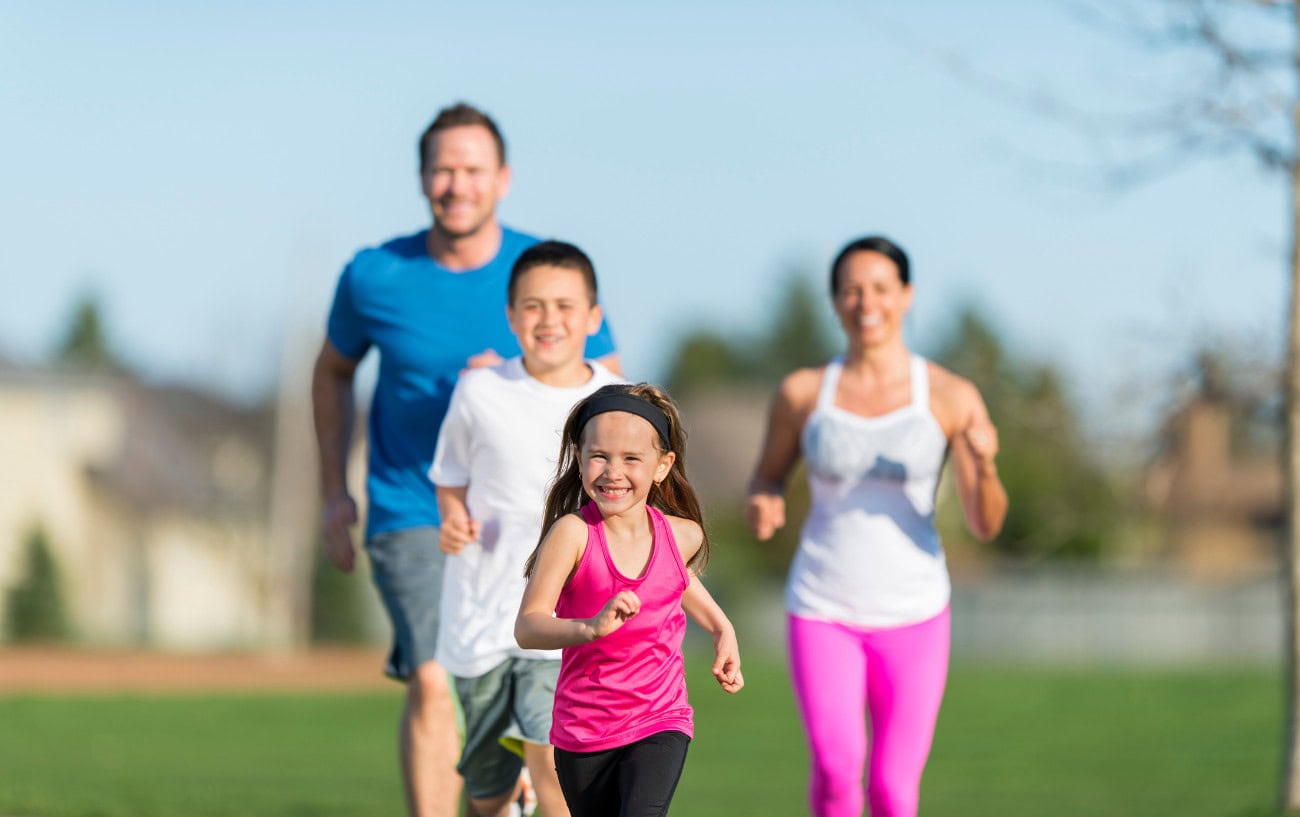
Running has a way of stirring questions about legacy for me. Not legacy in the grand, polished sense, but in the smaller and more consequential one: What am I passing down without realizing it?
Developmental psychologist Erik Erikson called this generativity—the adult task of investing in the next generation through guidance, care, and example rather than simply personal achievement. For runners who are parents, this idea lands close to home. At some point, the miles stop being only about our own finish lines and become part of the atmosphere in which our children grow up.
To me, that does not mean raising “mini me’s” or future mimic marathoners. In fact, the healthiest version of this has very little to do with producing fast kids. It has more to do with showing them (over years) that movement can be a big part of a meaningful life—that bodies are for using. That we get better at something if we stick with it and keep practicing, that caring for oneself is not selfish but stabilizing, and that it can even be fun.
Children learn a surprising amount this way. Psychology has a simple term for it: modeling. Kids absorb about 90% of their behavior by watching what trusted adults actually do, not only what they preach. Surprise! If running is part of the family rhythm—not as punishment or obsession, but as something life-giving—children begin to build an internal picture of movement as ordinary, available, and worthwhile.
Recent research reinforces this. A 2022 study found that parents’ physical literacy—their confidence, habits, and comfort with movement—predicts children’s values regarding physical activity, and that parental autonomy support helps transmit those values more effectively. In other words, kids are more likely to value movement when parents both embody it and leave room for children to make it their own.
That second part matters. Because there is a tension here familiar to any parent who runs: how do you pass something down without pushing it too hard? How do you share a practice that has helped you deeply without turning it into another expectation your child has to carry?
Part of the answer lies in understanding how development works. Children and adolescents are not just learning skills; they are building identity. Erikson’s stages of development capture this beautifully: younger children need opportunities to develop autonomy and initiative, while older children and adolescents are trying to build a sense of competence and identity.
A family running culture can help with that—but only if it is offered in a way that supports agency instead of shame. A child who feels dragged, judged, or compared is learning something very different from a child who feels invited: who takes on challenges on their own, because they are curious.
We intuitively know the goal is not to make our child a runner in our own image, but sometimes struggle to let them forge their own paths. To start, the goal can simply be to create conditions in which they can, in which movement feels possible, safe, and fun. Sometimes that will look like “real running”. Sometimes it will look like trail walks, family jogs, scooter accompaniment, relay races, or simply a home where physical activity is woven into normal life (rather than treated as performance).
And the benefits can be substantial.
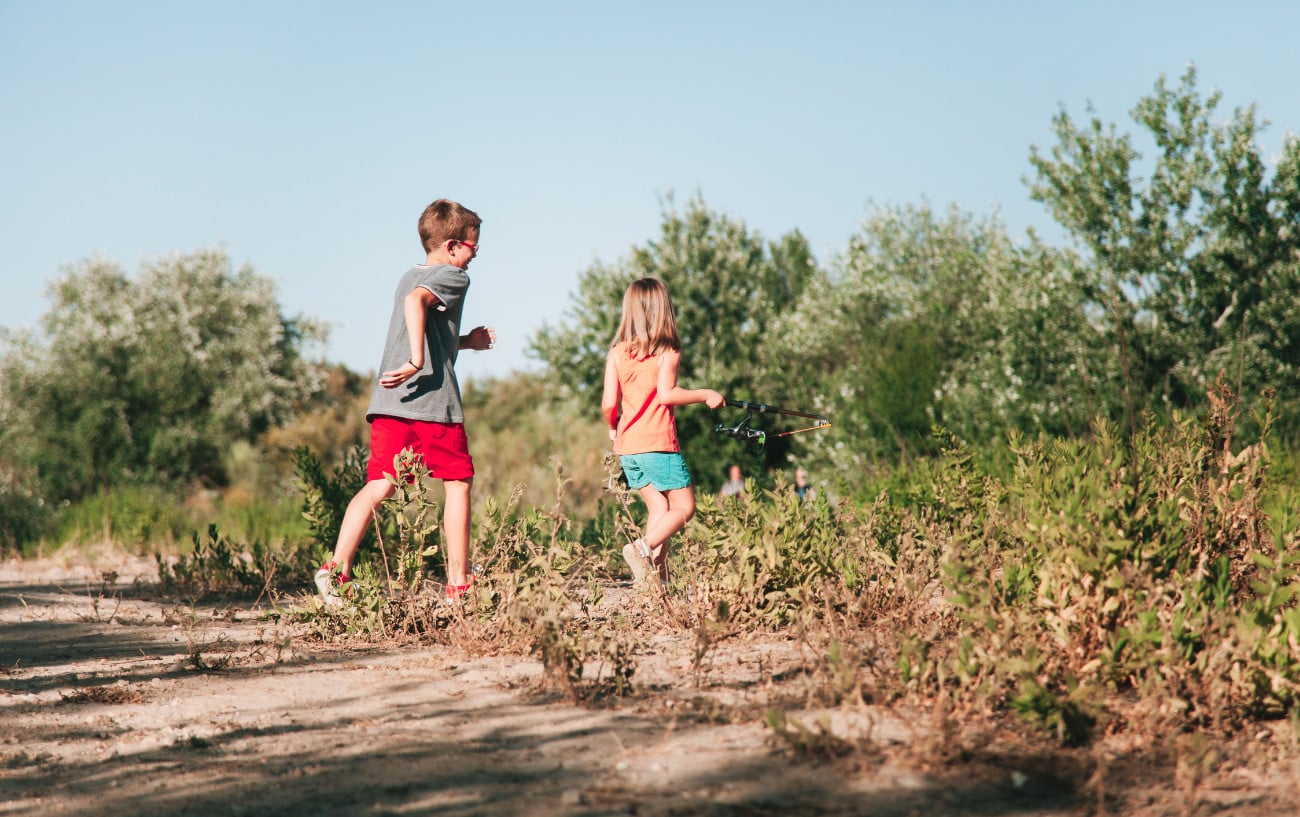
What the Research Says About Kids Who Grow Up Moving
Research suggests that regular physical activity in young people is associated with several positive developmental outcomes, including:
- Better self-esteem and lower psychological distress: a 2024 longitudinal study found that greater physical activity was associated with higher self-esteem, which in turn predicted lower distress six months later among adolescents.
- Lower risk of depression and anxiety symptoms; review-level evidence continues to link youth physical activity with better mental health and psychosocial adjustment.
- Stronger sense of competence and agency; movement gives children repeated experiences of effort, mastery, and progress, which are central to healthy development.
- Healthier routines and stress regulation; consistent activity can support sleep, mood, social connection, and a more embodied way of handling everyday stress.
Of course, “youth running” here should be interpreted broadly and gently. The point is not mileage, speed, or even winning. It is relationship: to one’s body, to effort, to the outdoors, to discomfort, to recovery, to joy.
That is where the personal tone of parenting enters. Children are not reading your training log; they are reading your mood and relational vibes. They notice whether running makes you more alive or merely more irritable. They notice whether you speak about your body with gratitude. They notice whether exercise is framed as a privilege or an obligation. They notice whether you can miss a run due to random life stuff coming up.
In other words, what gets passed down is not just the habit—it is the emotional meaning attached to the habit.
This is where “supportive autonomy” becomes a useful concept for parents. In the simplest terms, it means helping a child feel a sense of choice, take ownership/have a voice, rather than pressure and control.
Research suggests that when parents support autonomy around physical activity, children are more likely to internalize active values for themselves rather than merely comply. The long game is not “my kid does what I do.” It is “my kid learns to relate to movement as something they can choose and enjoy.”
From personal experience, that can require a little humility from us running parents. We may love the quiet repetition of solo miles; our child may love chaos, play, intervals disguised as games, or not running much at all. Generativity asks us to pass down the value without dictating the exact form. It asks us to care more about their lifelong relationship with movement than about whether they mirror our practice preferences.
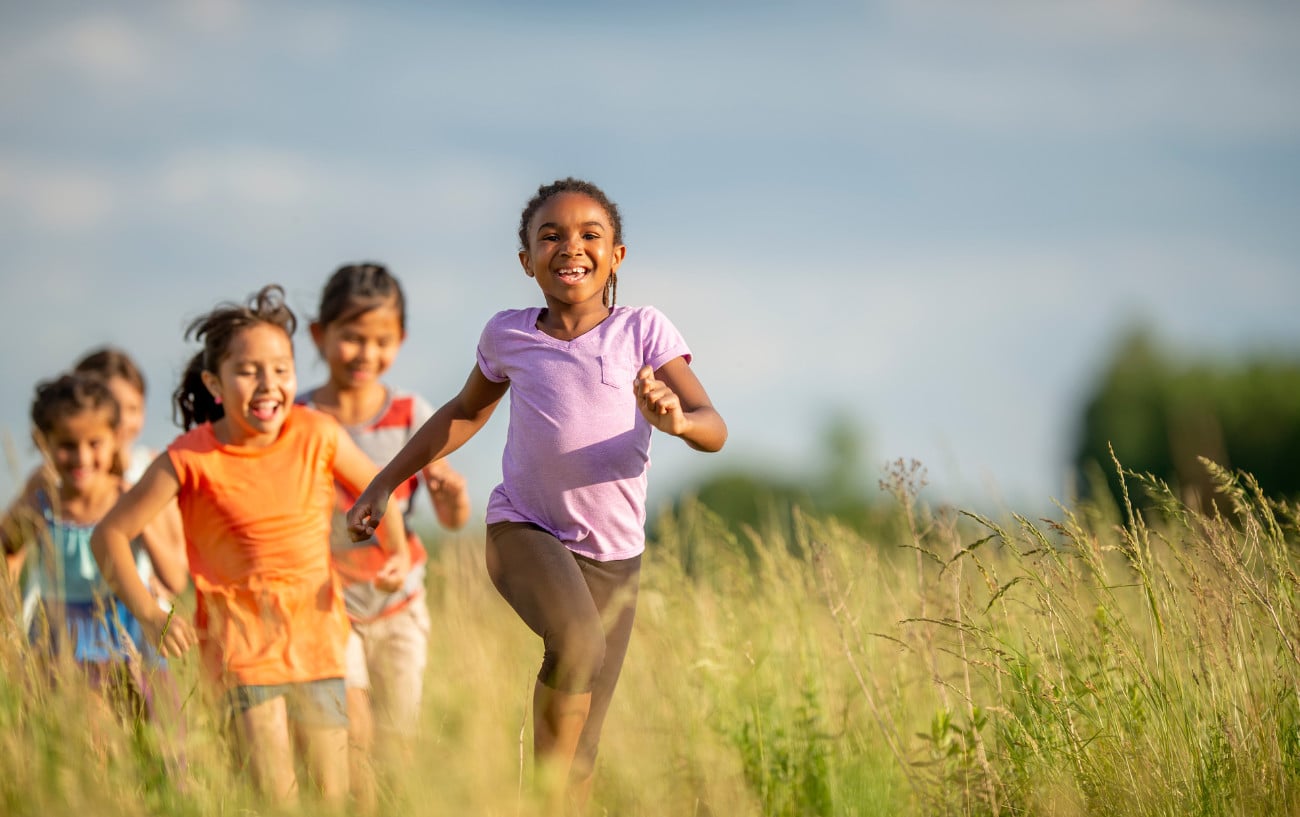
The Best Ways To Pass Down Your Running Practice
If the goal is to make running and movement feel life-giving rather than forced, the most effective strategies are usually the least theatrical:
- Let kids see the habit consistently, not perfectly; regular, low-drama modeling is more powerful than occasional speeches about discipline.
- Invite, don’t coerce; offer chances to join you, but allow refusal without guilt so movement stays associated with freedom rather than pressure.
- Keep it playful and age-appropriate: races to the mailbox, trail adventures, parkruns, and short family jogs often create stronger memories than structured training.
- Praise effort, curiosity, and enjoyment more than performance; this supports a sense of competence without making self-worth contingent on results.
- Talk openly about why you run; stress relief, joy, friendship, and mental clarity are healthier messages than weight, guilt, or constant optimization.
- Show flexibility; if the weather, work, or family needs disrupt your routine, let children see adaptation rather than rigidity.
- Leave room for difference; your child may inherit the value of movement without inheriting your exact relationship to running.
That last point may be the most generative of all. And there is another, quieter truth here: our children do not only learn from the runs you complete. They learn from how we handle the runs we miss, the seasons we are injured, the races that go badly, the changing body that no longer responds the way it used to.
If we can meet those moments with perspective and show what it’s like to fail with grace, we offer a different kind of lesson in resilience. You show that running is part of life, not the whole of it. You show that any identity can bend and grow without breaking if not held too tightly.
That may be especially important for us fathers, who are often socialized to demonstrate strength through stoicism or relentless output. Running can offer another script. Not “man up,” but “move through, be honest.” Not self-neglect, but self-regulation. Not the performance of invulnerability, but the practice of returning—again and again—to something that restores perspective. There is a gift in letting children see that too.
In the end, what we pass down is rarely the headline version of ourselves. Sometimes the most powerful lesson is almost invisible: Dad or Mom goes for a run, comes back more patient, and rejoins us for the day. Things don’t go as we want in a workout or race, and we still appreciate the chance to run. Gratitude for my mates. This routine teaches something: that adults can care for themselves, and balance life with running. That is how running can best become a kind of legacy, especially in parenthood.
One day, my child may lace up for reasons unrelated to me. That is probably how it should be. But if, somewhere in the back of that decision, there is a memory of me heading out the door and returning a little steadier, a little kinder, a little more like myself—then something important has already been passed on.
RunClub — Free
Join 300,000+ runners in RunClub
Free training plans for every distance, a daily running game, exclusive coaching content, and a real community of runners. Create your free account in 20 seconds — no card.
Already a member? Log in →







Start the conversation